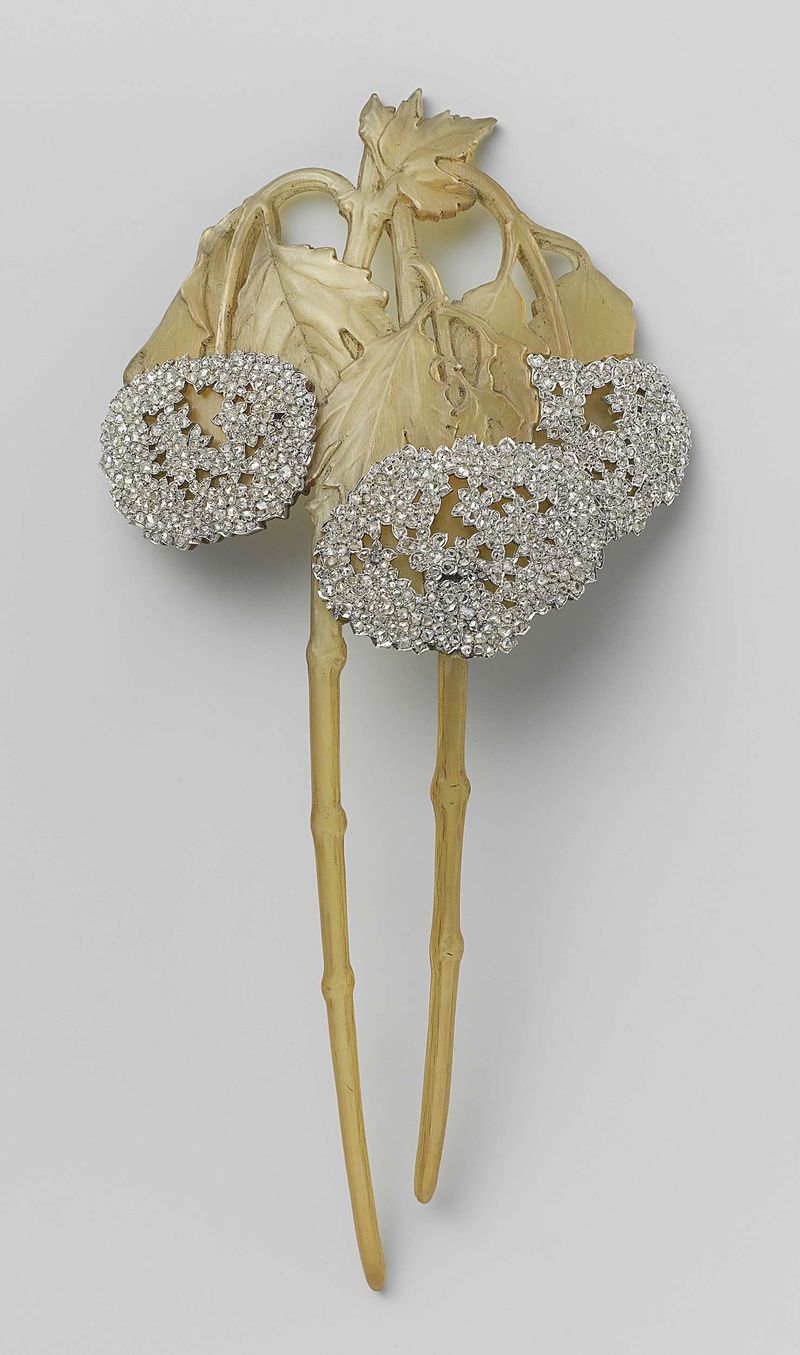
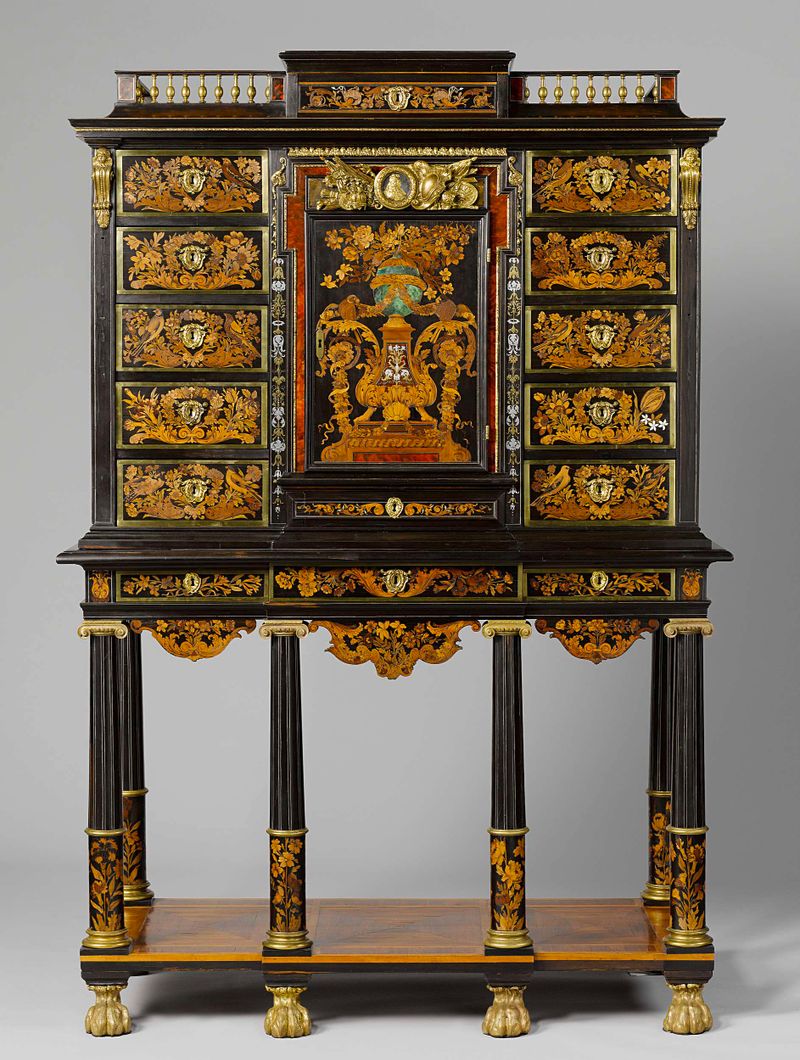
Modestie van kloskant met boterbloempjes — History & Facts
When did color learn to lie? As we gaze upon the delicate interplay of shades in this exquisite textile, we confront the chaos of creation—an intricate dance of beauty and disorder. Focus on the vibrant buttercup yellow that bursts forth from the fabric, drawing your eye immediately. Notice how the lace-like patterns intertwine, almost like whispers of a story yet untold, each thread meticulously crafted. The contrasting colors weave together in a tapestry of warmth and light, inviting the viewer to trace the delicate curves and flourishes that suggest movement, as if the fabric itself might flutter in a gentle breeze. Yet beneath this surface beauty lies a tension—a juxtaposition of fragility and resilience.
The meticulous craftsmanship speaks of a laborious process, while the wildness of the chaotic patterns hints at an underlying narrative of tumult and strife. The playful buttercups serve as a reminder of nature’s perennial cycle of chaos and order, encapsulating a moment of serenity amidst the storm. Created around 1910, this artwork emerges from a period marked by rapid industrial change and a reexamination of traditional crafts. The artist, whose identity remains lost to time, crafted this piece in a world where the handcrafted was both a refuge from and a commentary on the mechanical age encroaching upon daily life.
This textile stands as a testament to the enduring allure of handwork, illuminating a moment when art and chaos converged beautifully.
More Artworks by Unknown Artist
Browse all →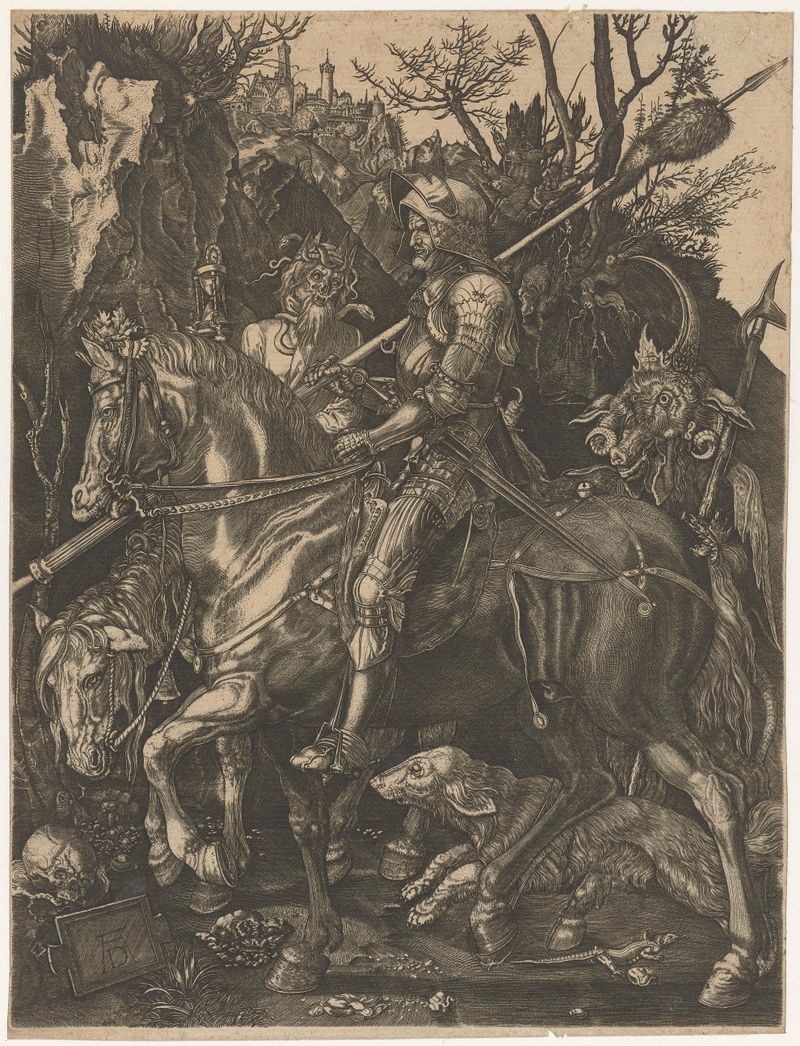
Ridder, Dood en Duivel
Unknown Artist
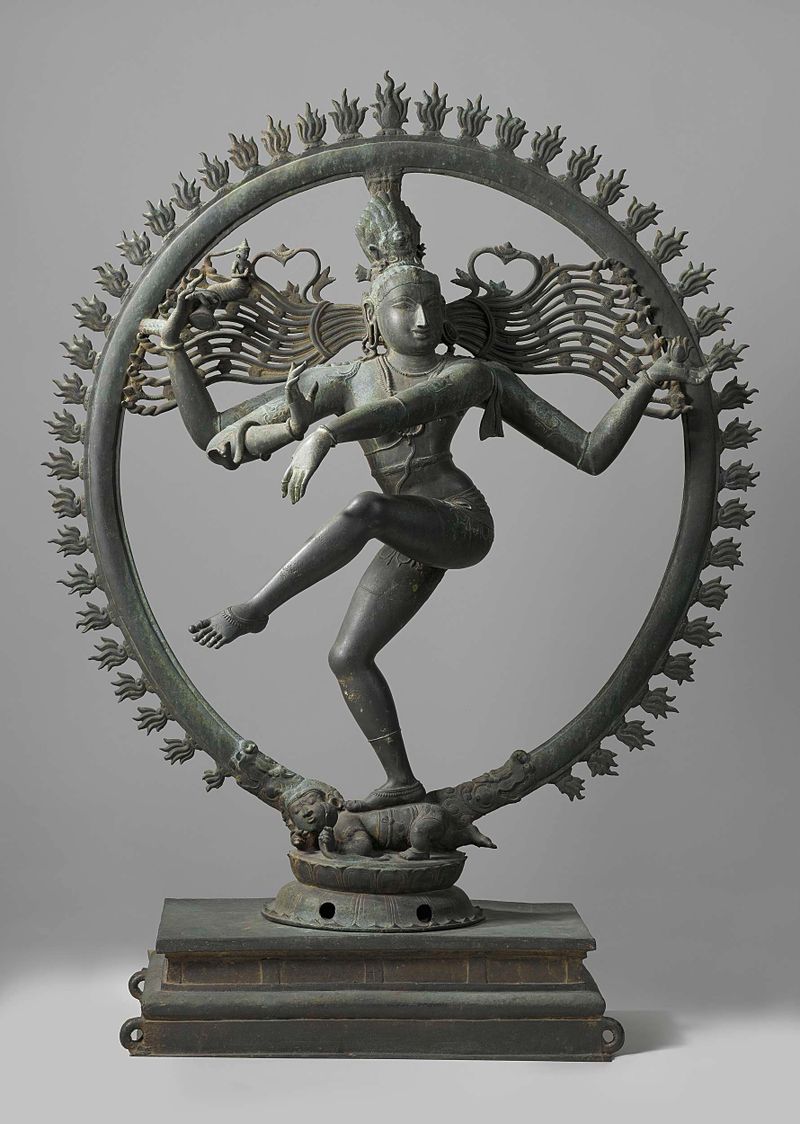
Shiva Nataraja
Unknown Artist
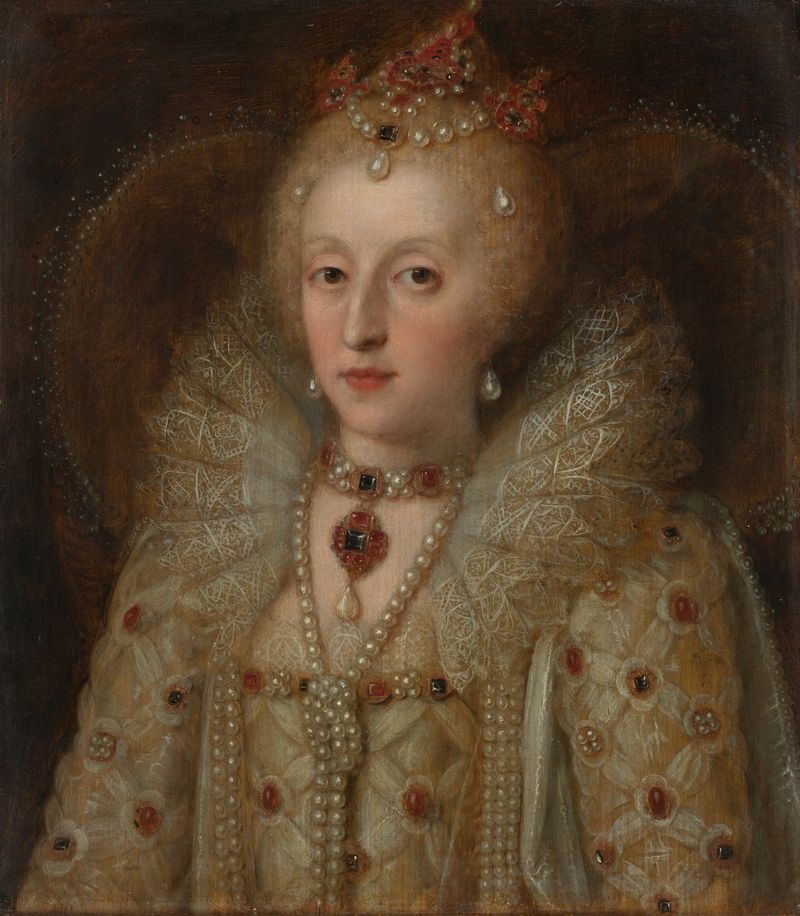
Portrait of Elizabeth I, Queen of England
Unknown Artist
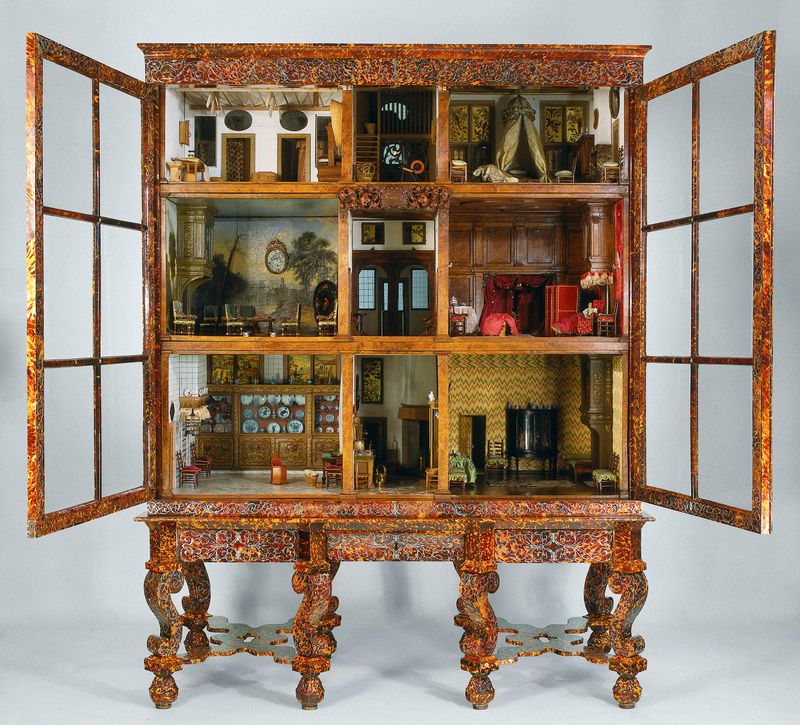
Dolls’ house of Petronella Oortman
Unknown Artist
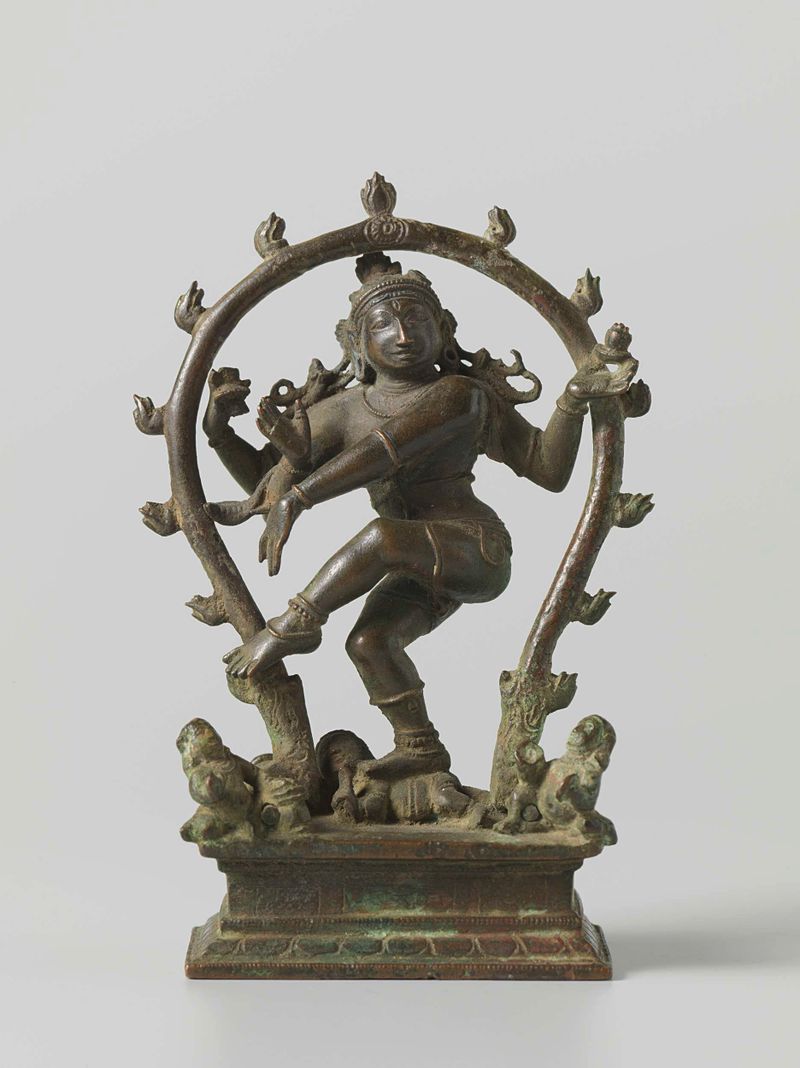
Shiva Nataraja
Unknown Artist

The Tale of Genji
Unknown Artist

The Tale of Genji
Unknown Artist

Cong
Unknown Artist
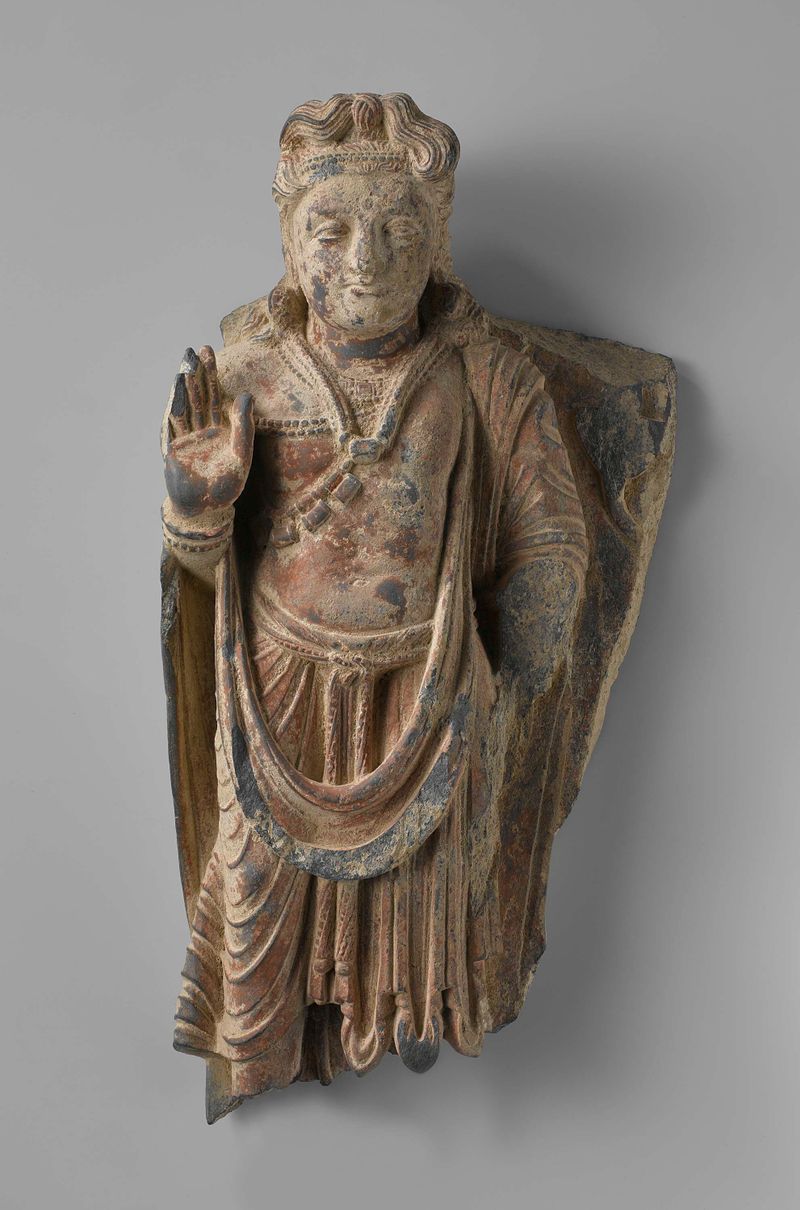
The bodhisattva Maitreya
Unknown Artist

Teabowl with a 'hare's fur' glaze
Unknown Artist