
Molen te Grootschermer — History & Facts
Did the painter know this moment would outlive them? In Molen te Grootschermer, the essence of time unfolds in quiet reflection, capturing not just a scene but a sentiment that resonates through generations. The intricate details evoke the inevitability of change and the permanence of nature, a dialogue between the ephemeral and the eternal. Look to the right at the majestic windmill, its sails frozen mid-rotation, casting elongated shadows on the verdant fields below. The composition thrives on the contrast between the earthy greens and the gentle blues of the sky, with soft brushstrokes that seem to breathe life into the landscape.
Notice how the light dapples across the water’s surface, mirroring the clouds, creating a harmonious bond between elements. This interplay of color and technique invites the viewer to linger, tracing the contours of a world both familiar and serene. Within this idyllic setting, hidden meanings emerge. The stillness of the scene contrasts with the historical backdrop of post-war Netherlands, evoking a sense of resilience and renewal.
The windmill, often a symbol of labor and progress, stands as a testament to the community's spirit, while the reflective water hints at deeper introspection—what is left behind and what lies ahead. Each detail weaves into the fabric of life, suggesting that every moment carries the weight of history, yet remains transient. During the late 1940s, the artist found solace in his homeland, focusing on rural landscapes amidst a world grappling with recovery. The Netherlands was in a state of rebuilding, both physically and emotionally, following the ravages of World War II.
In this atmosphere of reflection and regeneration, Oortwijn crafted Molen te Grootschermer, a piece resonating with the quiet strength of his surroundings and the resilience of the human spirit.
More Artworks by Maarten Oortwijn
Browse all →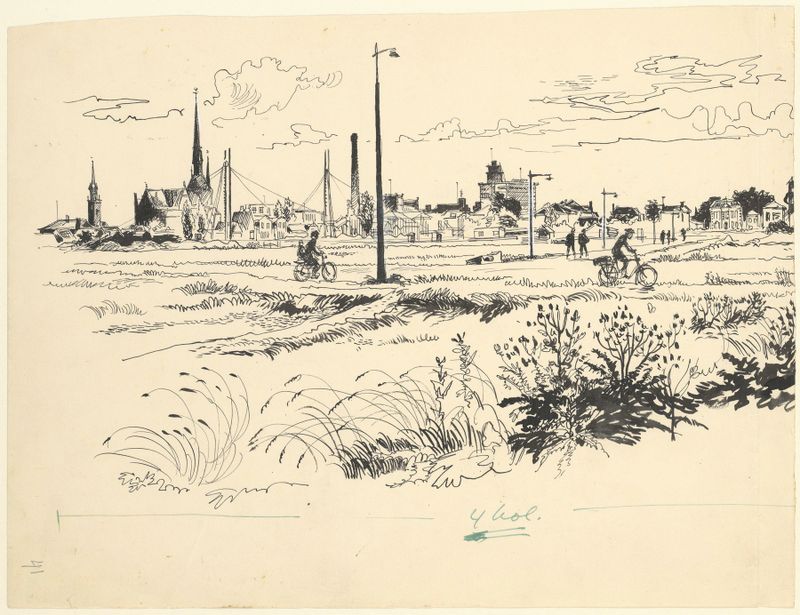
Gezicht op Koog aan de Zaan.
Maarten Oortwijn
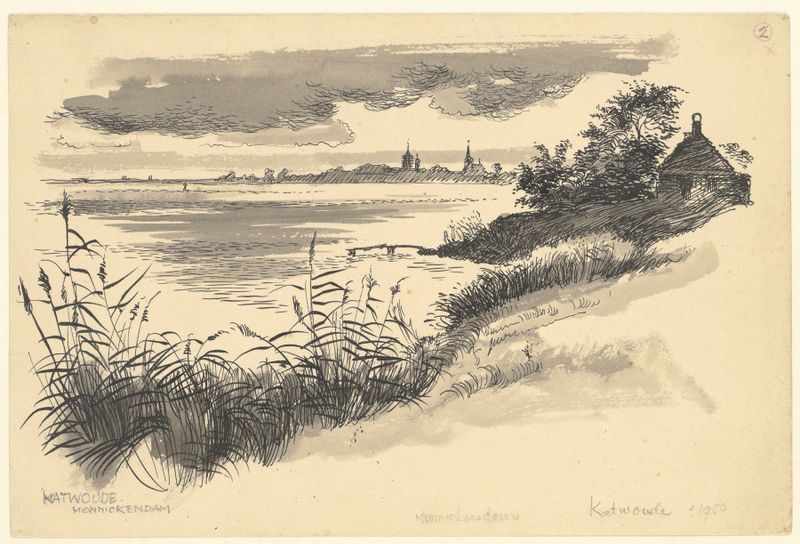
Gezicht vanuit Katwoude op Monnickendam
Maarten Oortwijn
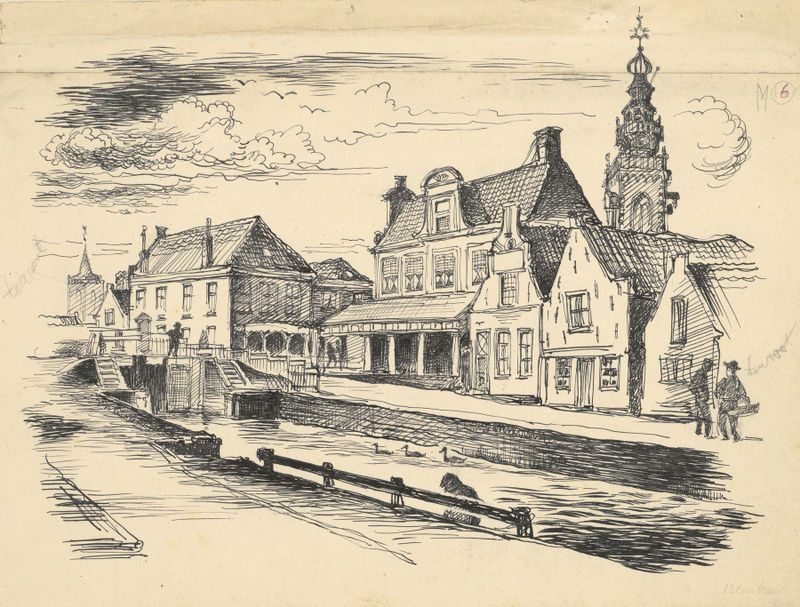
Gezicht vanaf de Gooische Kaai op de Waag
Maarten Oortwijn
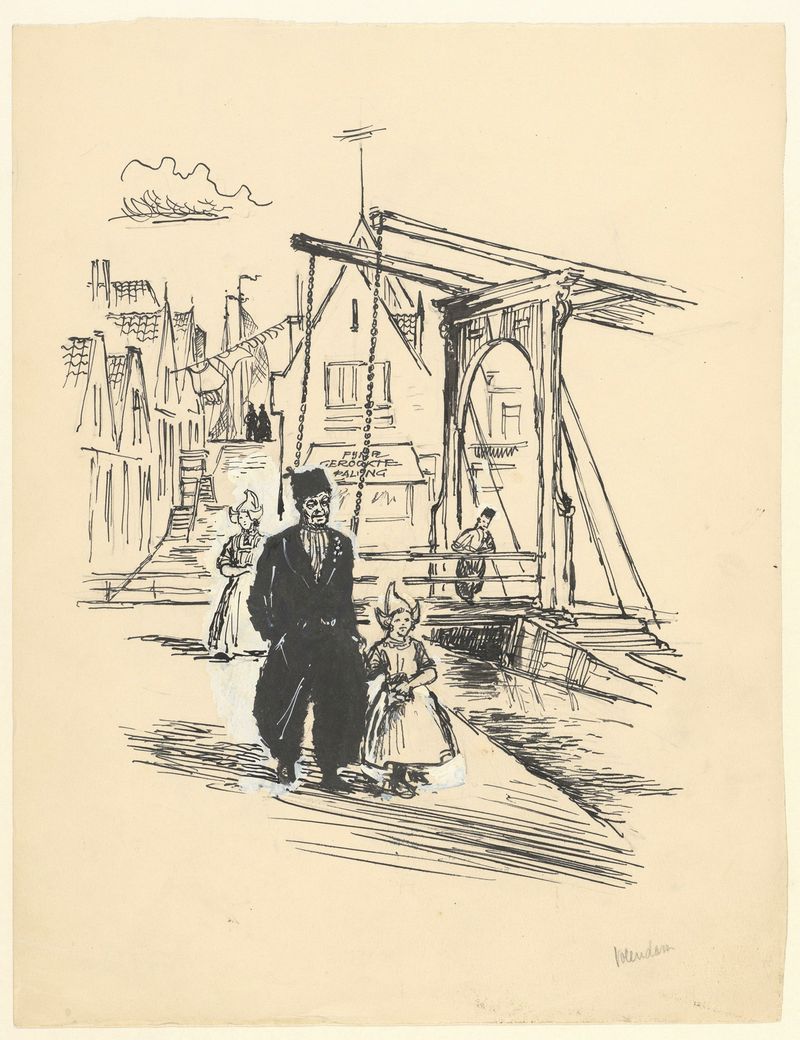
Gezicht te Volendam.
Maarten Oortwijn
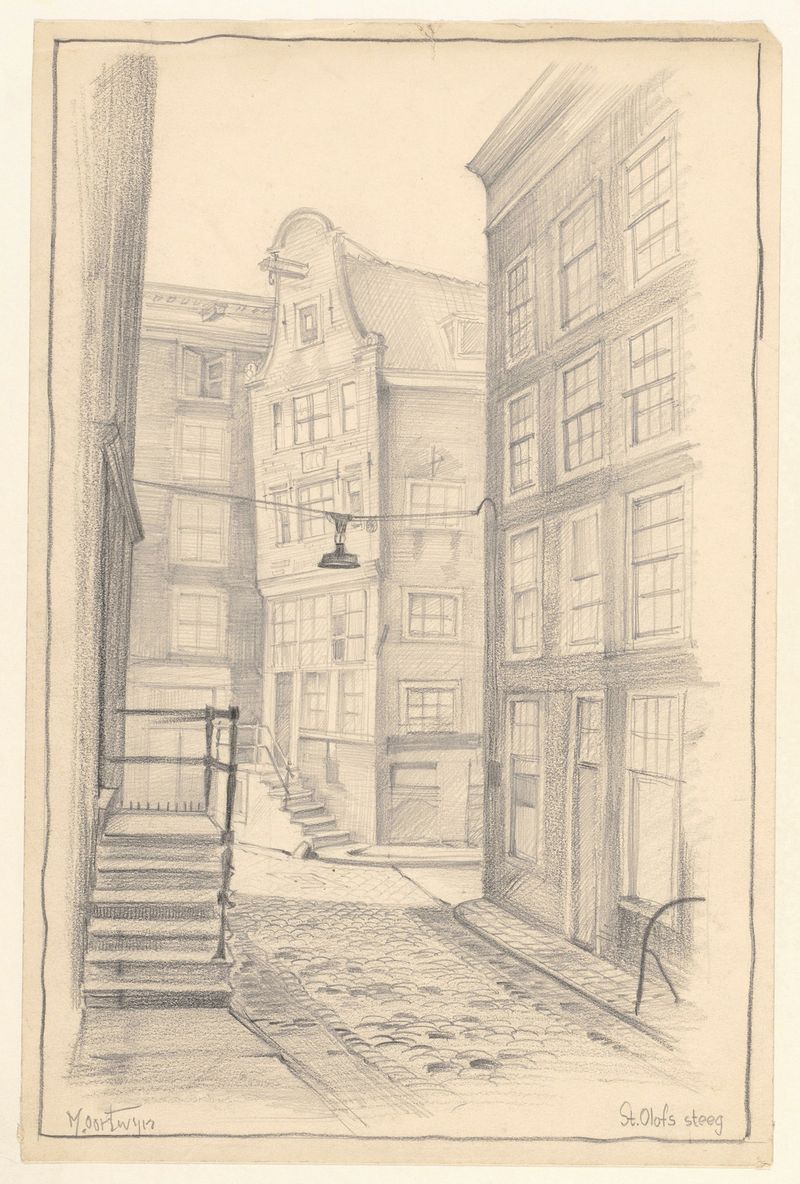
Gezicht in de St. Olofssteeg.
Maarten Oortwijn
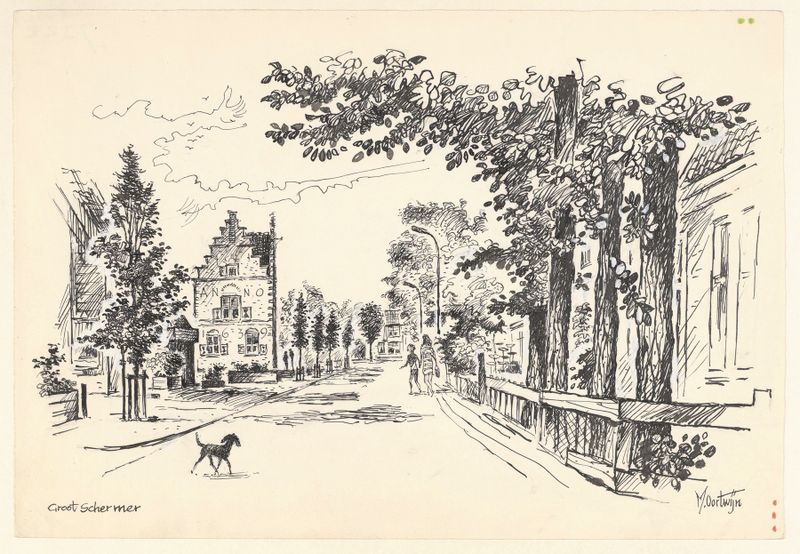
Gezicht te Grootschermer met het Raadhuis
Maarten Oortwijn
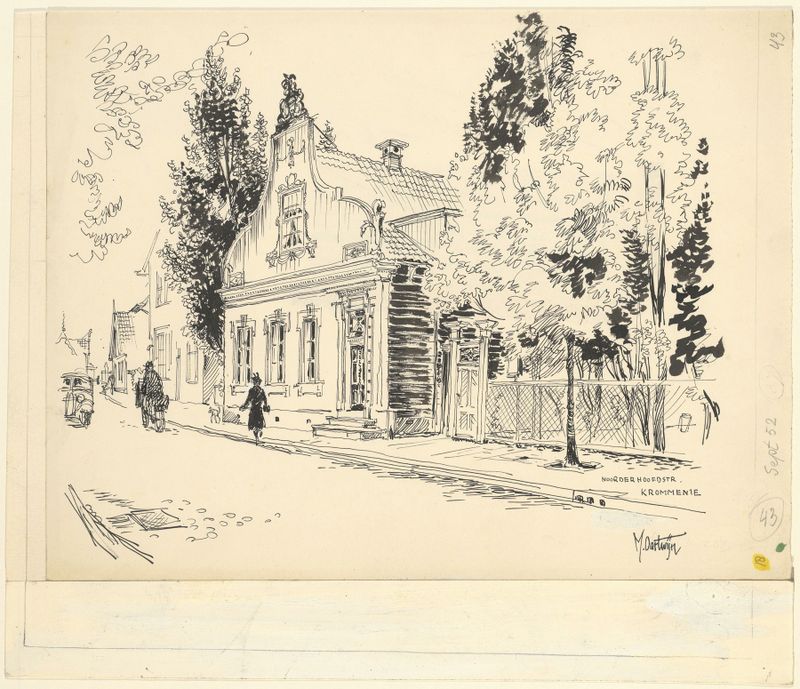
Gezicht in de Noorder
Maarten Oortwijn
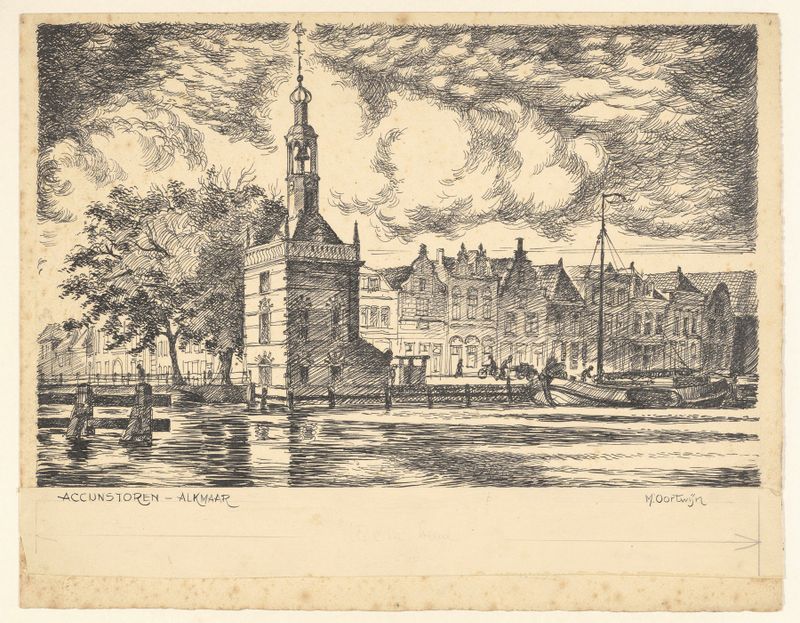
Gezicht op de Accijnstoren aan de Bierkade.
Maarten Oortwijn
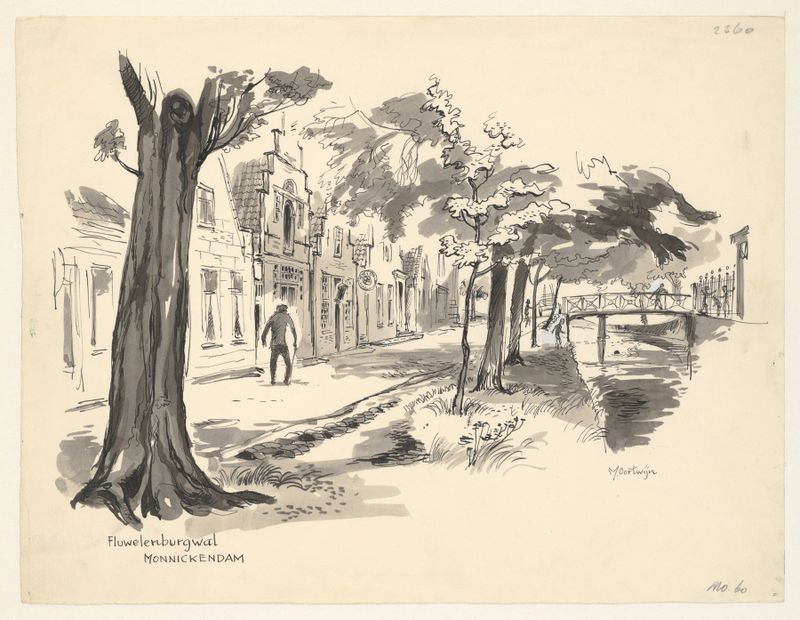
Fluwelenburgwal, Monnickendam
Maarten Oortwijn
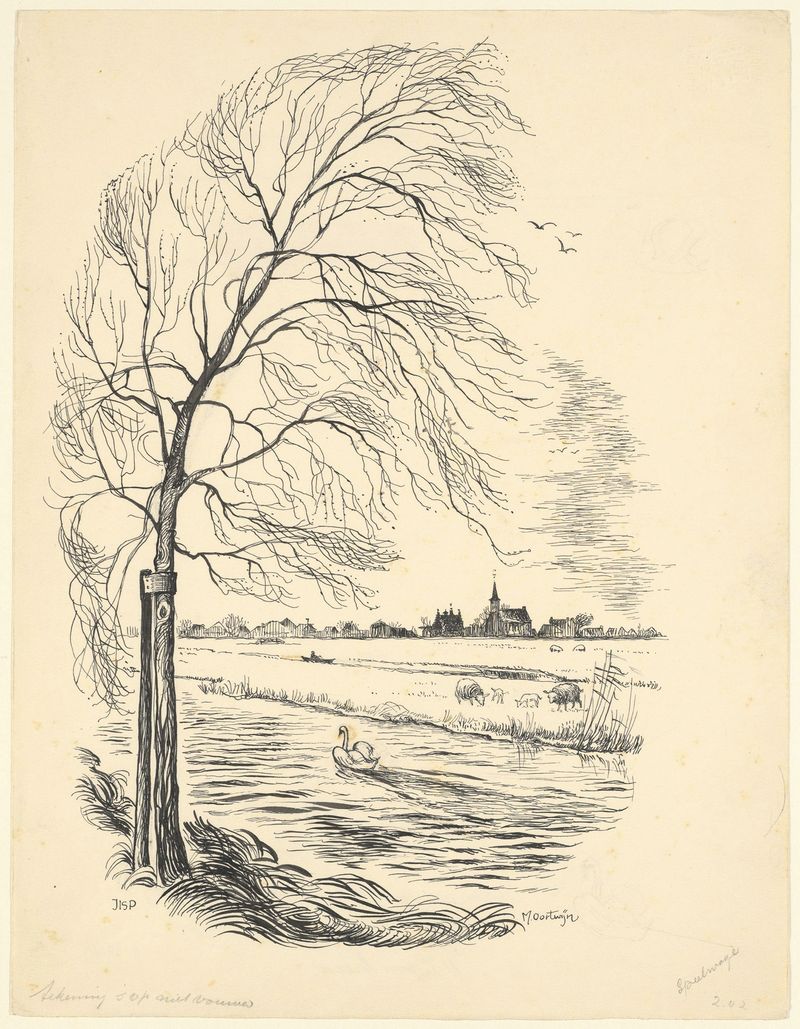
Gezicht op Jisp.
Maarten Oortwijn





