Mont Albans Tooren — History & Facts
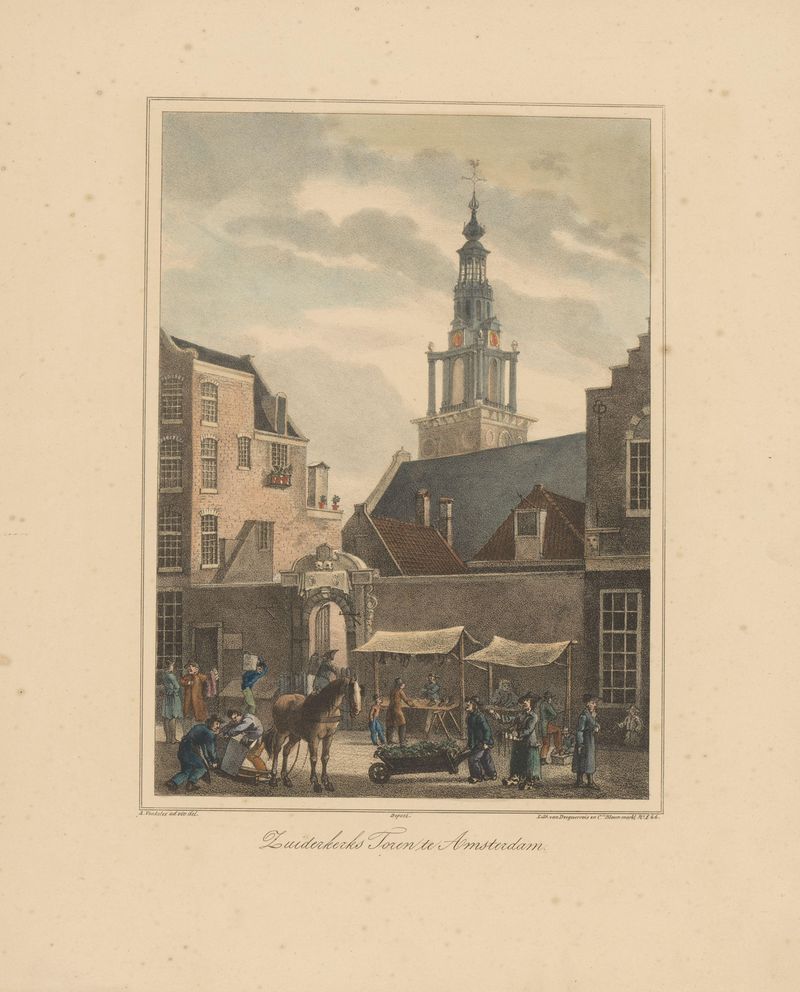
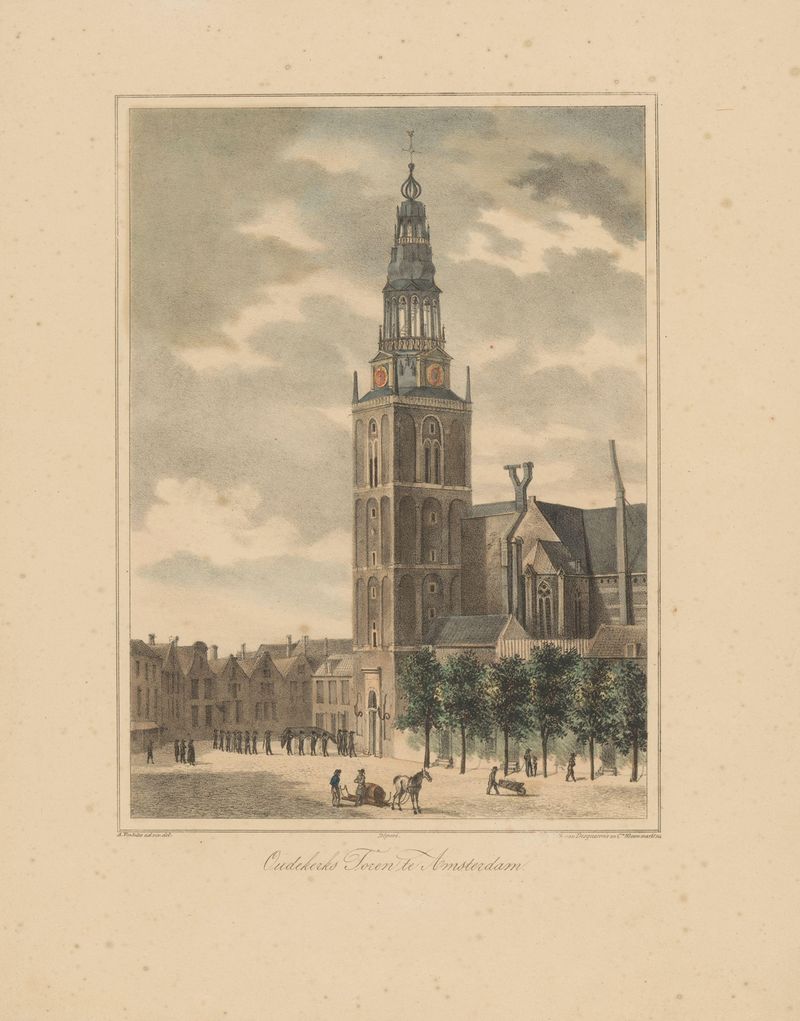
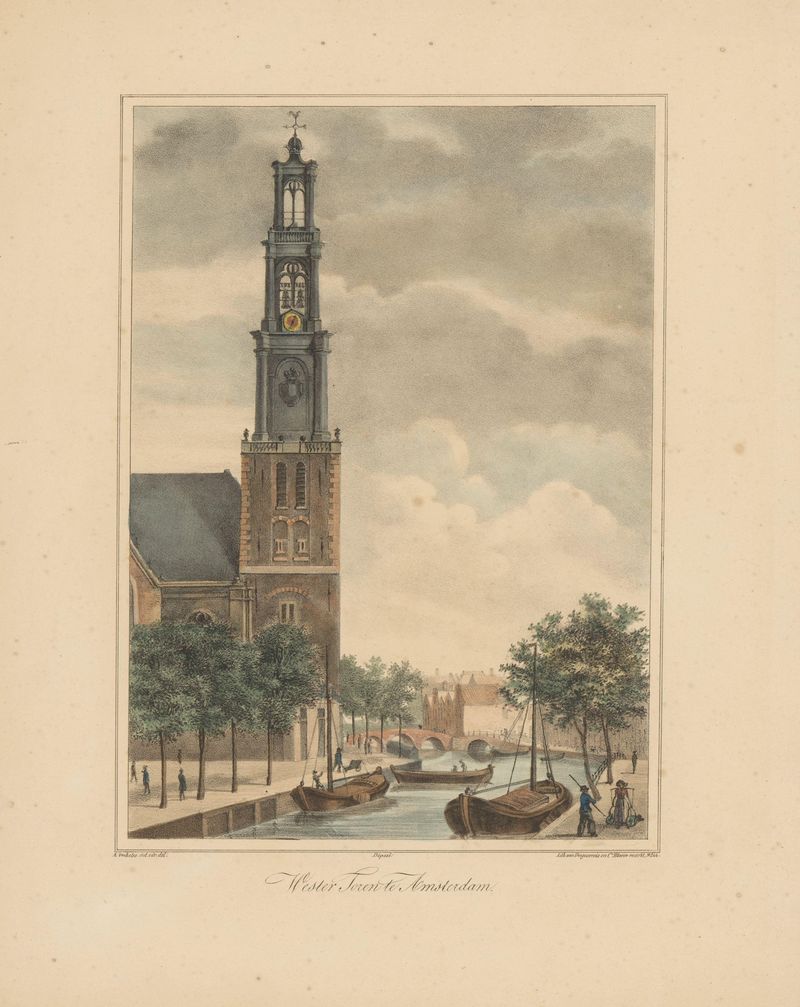
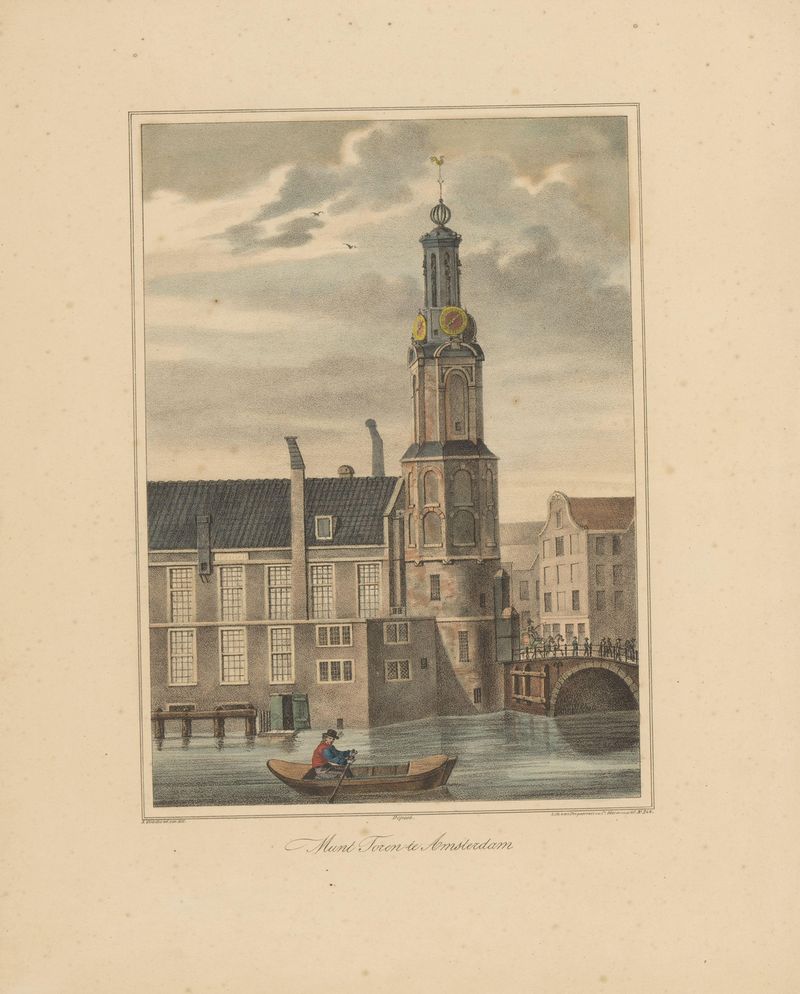
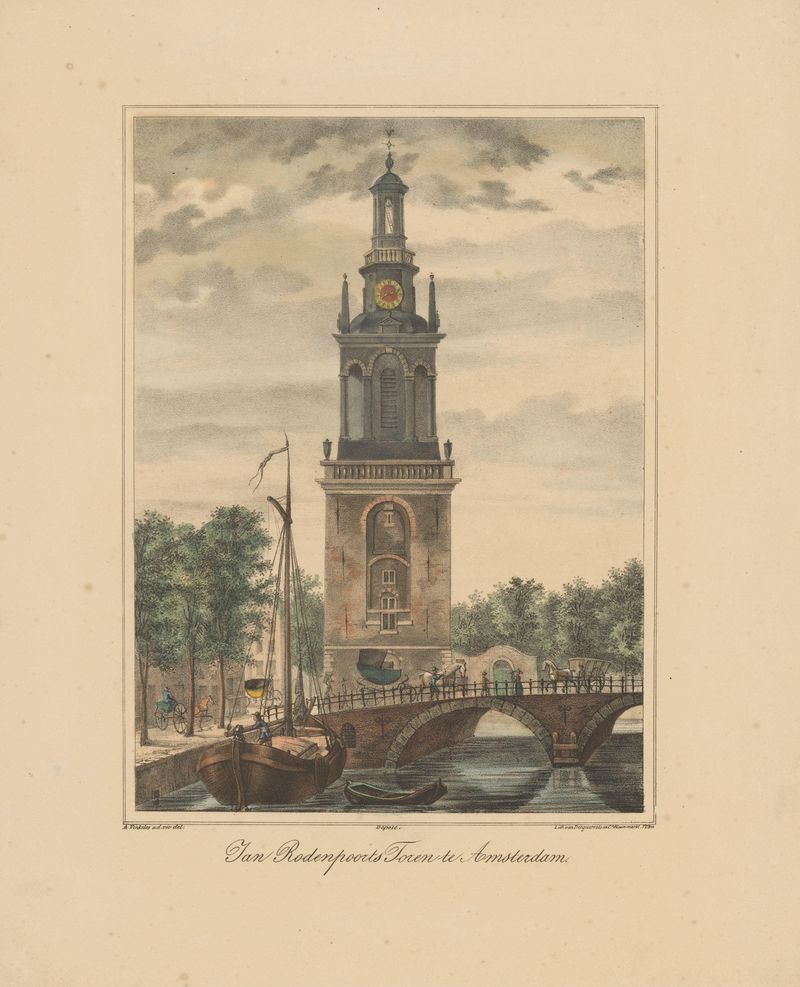
Can paint confess what words never could? In Mont Albans Tooren, the brush strokes softly whisper the secrets of innocence lost and found, inviting the viewer into a dialogue that transcends language. Look to the gentle hills that cradle the tower, bathed in the golden hues of dusk; they stand in serene contrast to the looming structure. Notice how the light delicately dances over the textured surfaces, revealing a careful interplay of shadow and warmth. The composition draws the eye upward, as if urging you to ascend the height of the tower, while the cool blues and greens ground the scene in a tranquil sentiment.
Each brushstroke seems deliberate, a testament to the artist's understanding of both landscape and architecture. Yet beneath this placid surface, a deeper narrative unfolds. The tower, a symbol of human achievement, simultaneously evokes a sense of isolation, standing alone amidst nature's embrace. The slight haze in the background suggests a veil over the past, hinting at reminiscence and nostalgia.
Innocence is captured in the lush greenery, a reminder of simpler times, while the tower represents aspirations that can often lead to solitude and separation from that purity. Created between 1827 and 1900, during a period of significant change in the art world, the artist found himself influenced by the Romantic movement's exploration of nature and emotion. While working in the Netherlands, Vinkeles engaged with themes of beauty and introspection, reflecting a society grappling with industrialization and its impact on the human spirit. In this piece, he masterfully melds the ideals of his time with a personal resonance, showcasing an intimate connection to both place and feeling.