Morgenstund — History & Facts
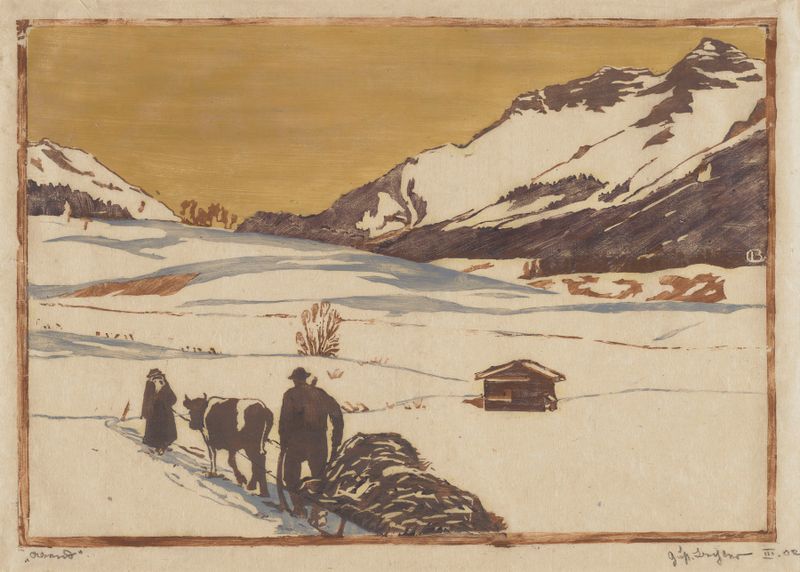
Can beauty exist without sorrow? As dawn breaks, the radiance of a new day awakens the world, yet shadows of the night linger just beyond the horizon. Focus your gaze on the luminous sky, where soft hues of gold and lavender intertwine, creating a delicate tapestry that beckons the viewer to dream. The sweeping brushstrokes capture the gentle caress of morning light, illuminating the landscape below, which is dotted with serene figures. Notice how the artist masterfully balances warmth and coolness, evoking a sense of divine tranquility that resonates with the soul. Delve deeper into the painting’s emotional layers: amidst the tranquil beauty lies a subtle tension, an unspoken dialogue between hope and melancholy.
The figures, caught in a moment of quiet contemplation, reflect a yearning for connection that transcends the earthly realm. Each stroke captures not only the ephemeral quality of dawn but also the poignant reminder that beauty often coexists with longing and nostalgia—whispers of past sorrows intertwined with the promise of new beginnings. In 1907, Gustav Bechler created this piece while exploring themes of nature and spirituality during a period marked by rapid artistic innovation. Living in Germany, he was influenced by the burgeoning expressionist movement, which sought to capture the depths of human emotion.
Morgenstund stands as a testament to his ability to convey profound beauty, inviting viewers to reflect on the intricate dance between light and dark in both art and life.