
Moses showing the Tables of the Law with the Ten Commandments in Calligraphy — History & Facts
In the act of creation, the divine speaks through the artist, channeling both history and humanity. Look closely at the intricate calligraphy inscribed on the tablets. Notice how the letters, each stroke meticulously crafted, seem to pulse with authority and meaning. The artist has used a warm palette, with ocher and deep browns, that not only frames the composition but also evokes a sense of reverence.
The scroll unfurls from Moses's hands, drawing the eye toward the text, inviting contemplation on the profound laws represented. The rich details, from the texture of the stone to the subtle plays of light, are a testament to the merging of artistry and faith. Beneath the surface, this work encapsulates the tension between divine command and human interpretation. The tablets, while a symbol of law, also represent the fragility of human existence under the weight of these commandments.
The surrounding space is intentionally sparse, emphasizing isolation and the seriousness of the message, ensuring that the focus remains on the central figure. This stark contrast between the divine message and the earthly setting elicits a sense of awe and introspection. Created around 1600, this piece emerges from a period of religious fervor and artistic exploration. The artist, though unknown, contributes to the rich tapestry of counter-reformation art, where works sought to inspire faith and renewal.
This era was marked by a revival of classical themes, blending them with spiritual significance, making this artwork a noteworthy representation of its time, reflecting both societal values and individual expression.
More Artworks by Unknown Artist
Browse all →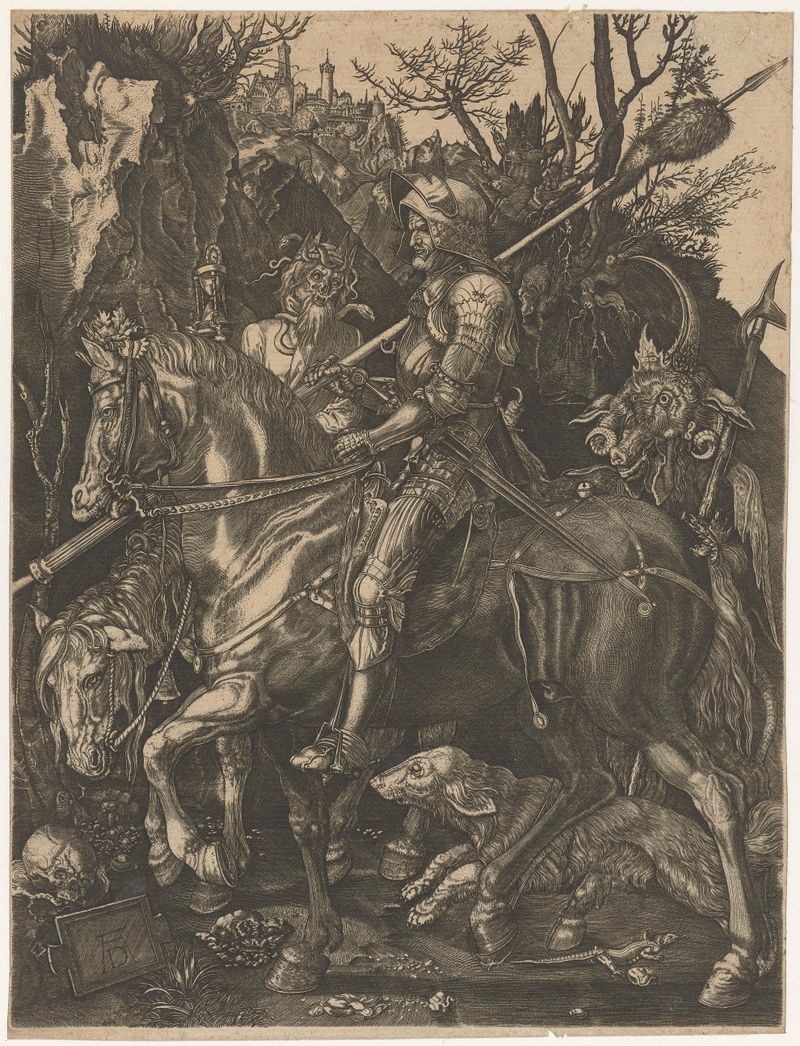
Ridder, Dood en Duivel
Unknown Artist
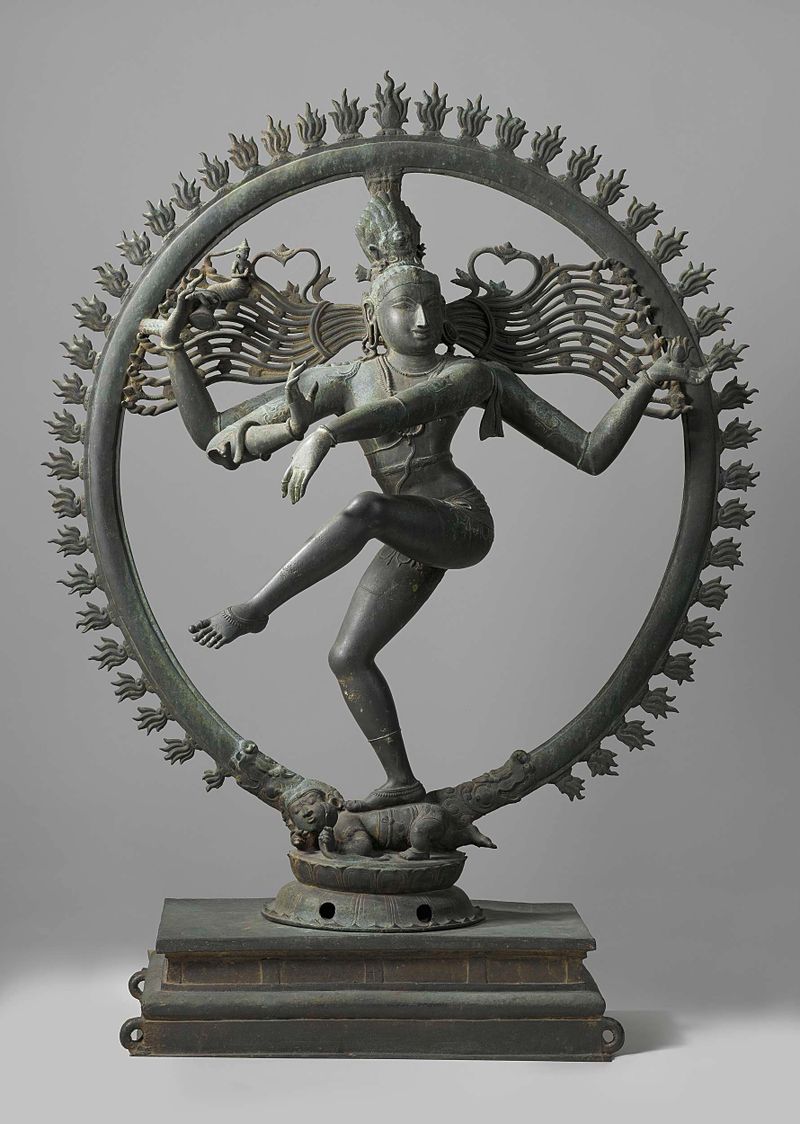
Shiva Nataraja
Unknown Artist
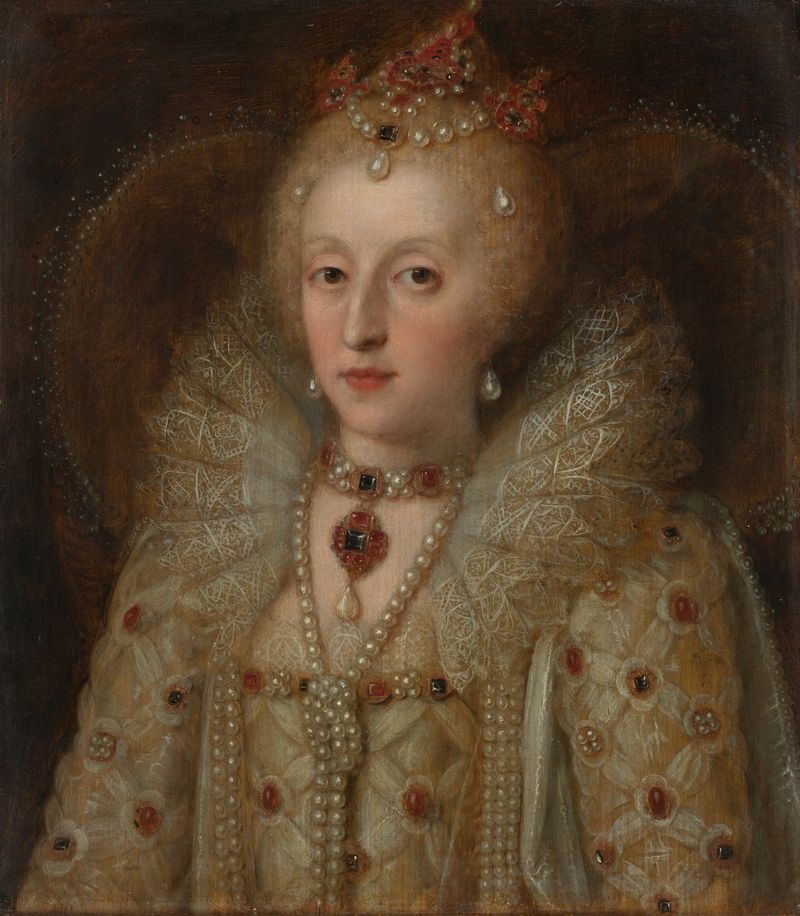
Portrait of Elizabeth I, Queen of England
Unknown Artist
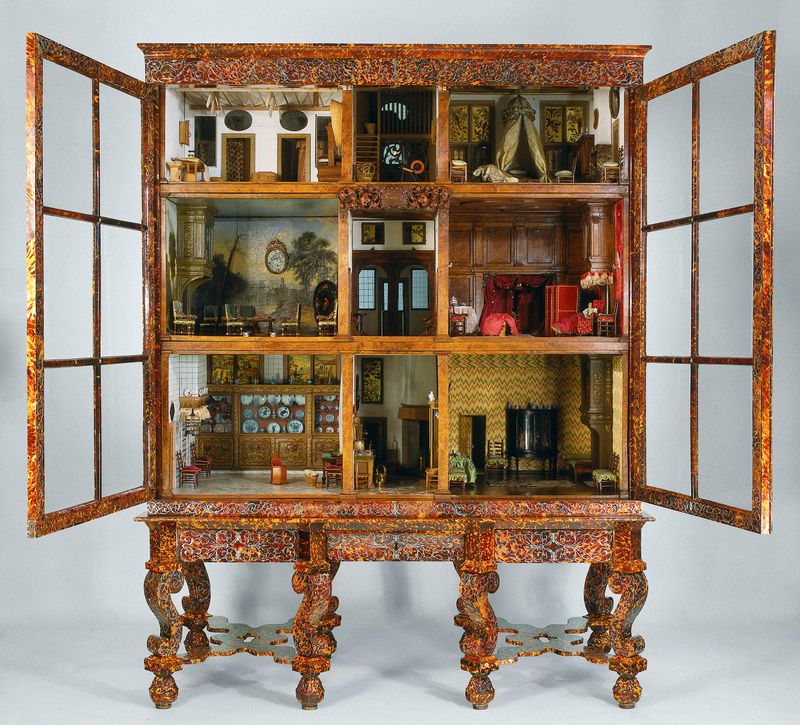
Dolls’ house of Petronella Oortman
Unknown Artist
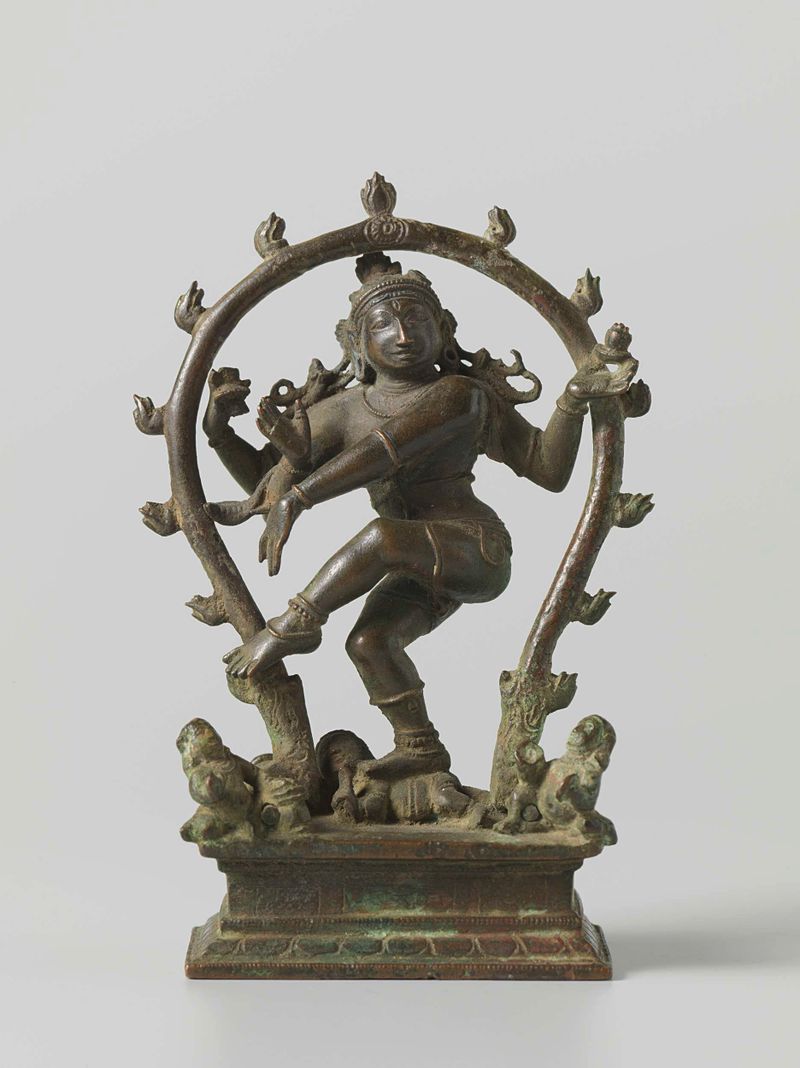
Shiva Nataraja
Unknown Artist

The Tale of Genji
Unknown Artist

The Tale of Genji
Unknown Artist

Cong
Unknown Artist
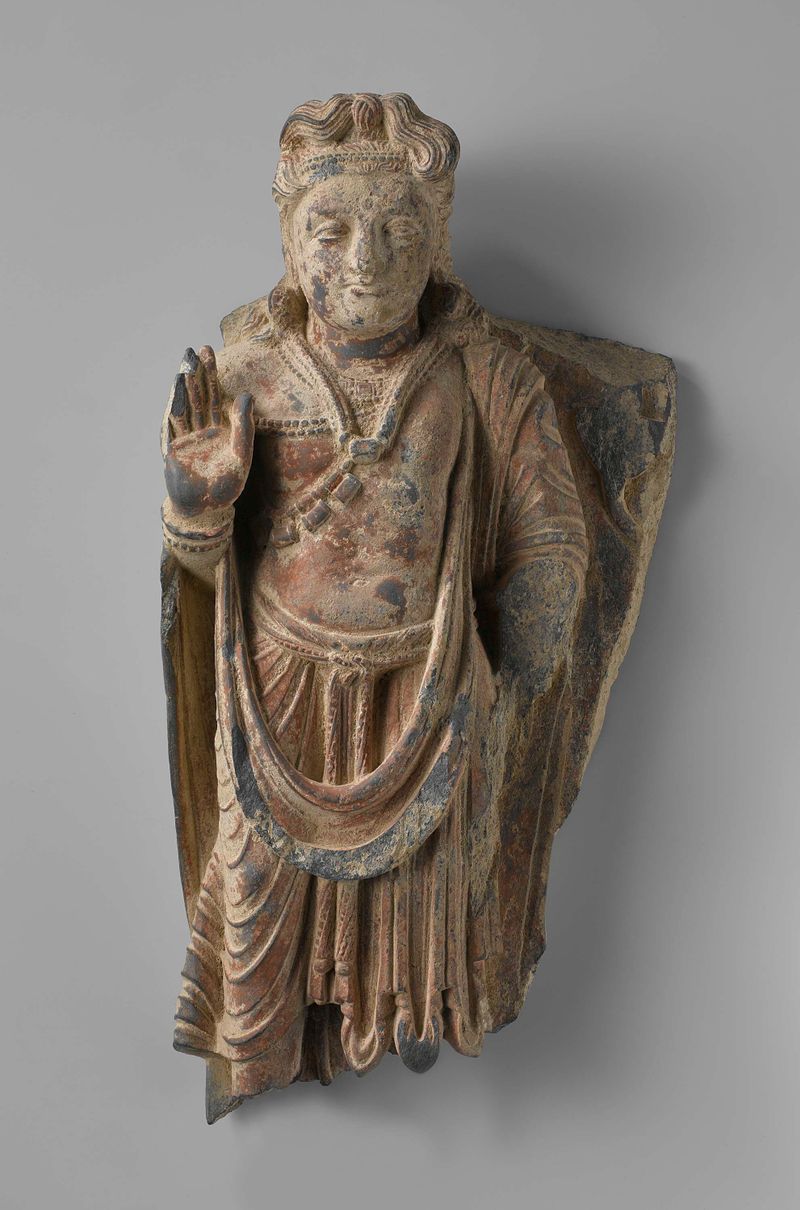
The bodhisattva Maitreya
Unknown Artist

Teabowl with a 'hare's fur' glaze
Unknown Artist
More Religious Art
Browse all →
The Return of the Prodigal Son
Rembrandt van Rijn

The Garden of Earthly Delights
El Bosco

Count Orgaz’ funeral
El Greco

The Hundred Guilder Print: the central piece with Christ preaching, the plate arched
Rembrandt van Rijn

The Descent from the Cross
Rogier van der Weyden

The return of the prodigal son
Rembrandt van Rijn