Mould for relief decoration of stoneware, with an escutcheon and a housemark — History & Facts
Who listens when art speaks of silence? In a world filled with noise, the stillness captured in this early mold for relief decoration reveals a profound obsession with form, identity, and legacy. Focus on the intricate details of the escutcheon at the center, its bold lines and patterns beckon the eye. Notice how the relief creates shadows that dance across the surface, giving the piece a three-dimensionality that breathes life into the stoneware. The housemark, subtly inscribed, draws attention to the importance of lineage and ownership, its presence hinting at stories untold and families long past. The contrast between the solid stoneware and the delicate relief work embodies the tension between permanence and the ephemeral nature of human connections.
Each curve and line signifies an act of devotion, a desire to be remembered, while simultaneously suggesting the fragility of existence. This artwork speaks of a time when craftsmanship was a means to assert one's identity, urging viewers to reflect on the legacies they create in their own lives. Created between 1580 and 1600, this mold emerges from a rich period of artistic exploration and innovation. The artist, whose name remains lost to history, was part of a growing movement that celebrated individuality through craftsmanship, amidst the cultural transformations of the late Renaissance.
The world was witnessing shifts in social structures, and this ceramic object stands as a testament to the enduring human desire to leave an imprint on the fabric of time.
More Artworks by Unknown Artist
Browse all →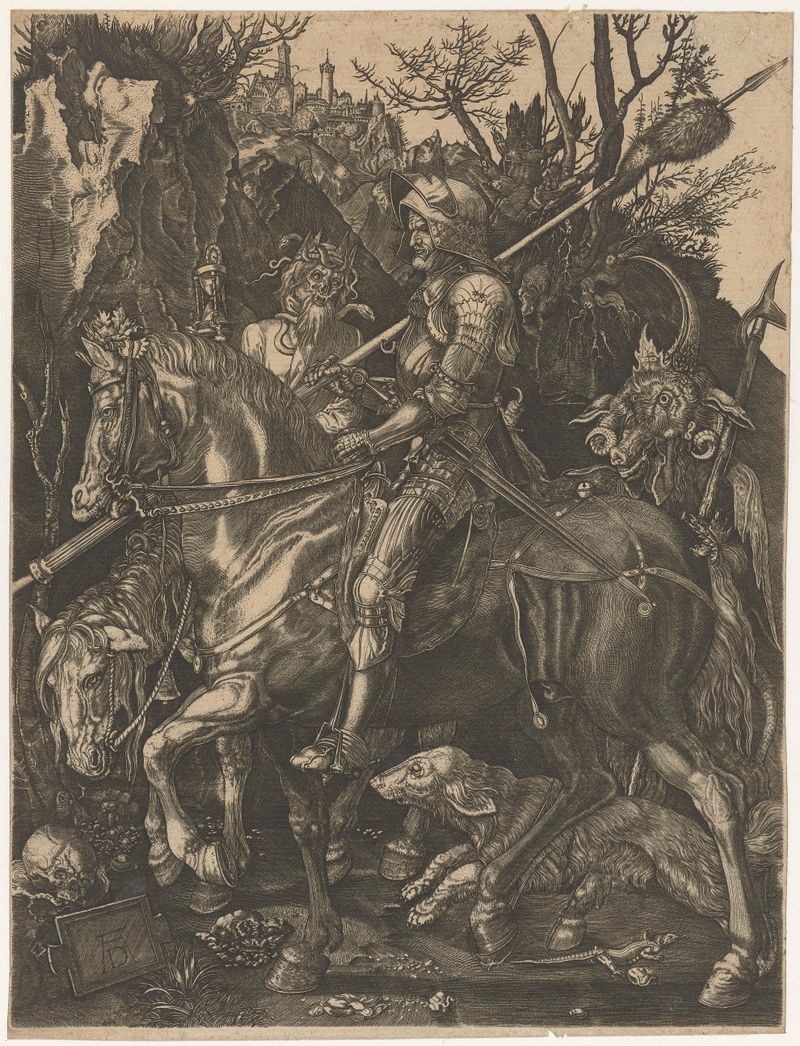
Ridder, Dood en Duivel
Unknown Artist
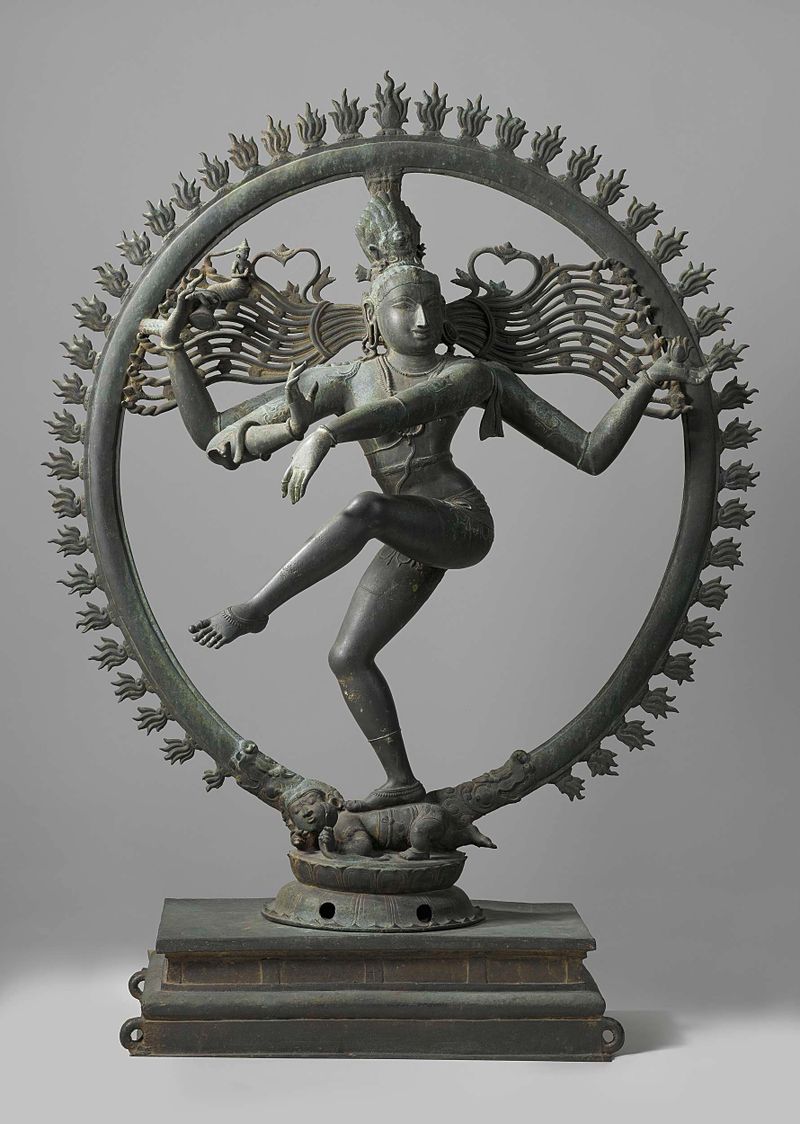
Shiva Nataraja
Unknown Artist
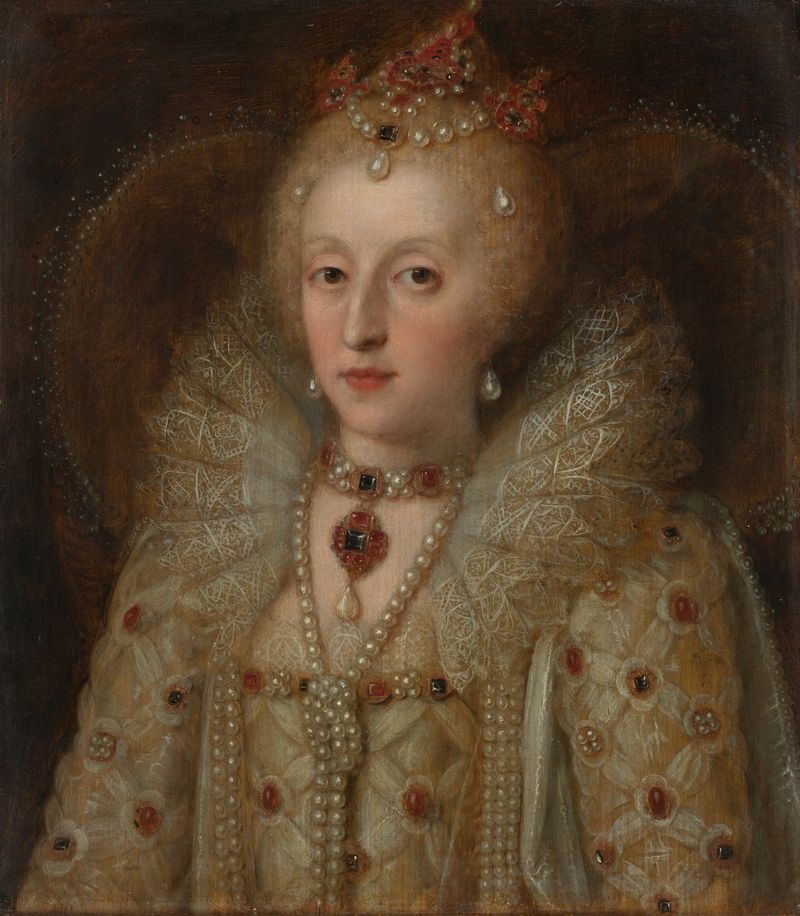
Portrait of Elizabeth I, Queen of England
Unknown Artist
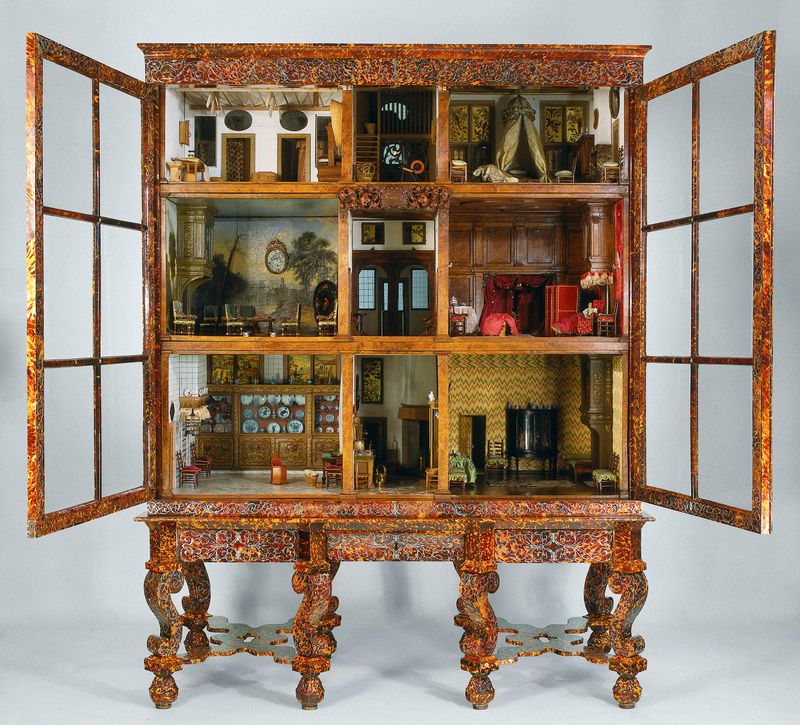
Dolls’ house of Petronella Oortman
Unknown Artist
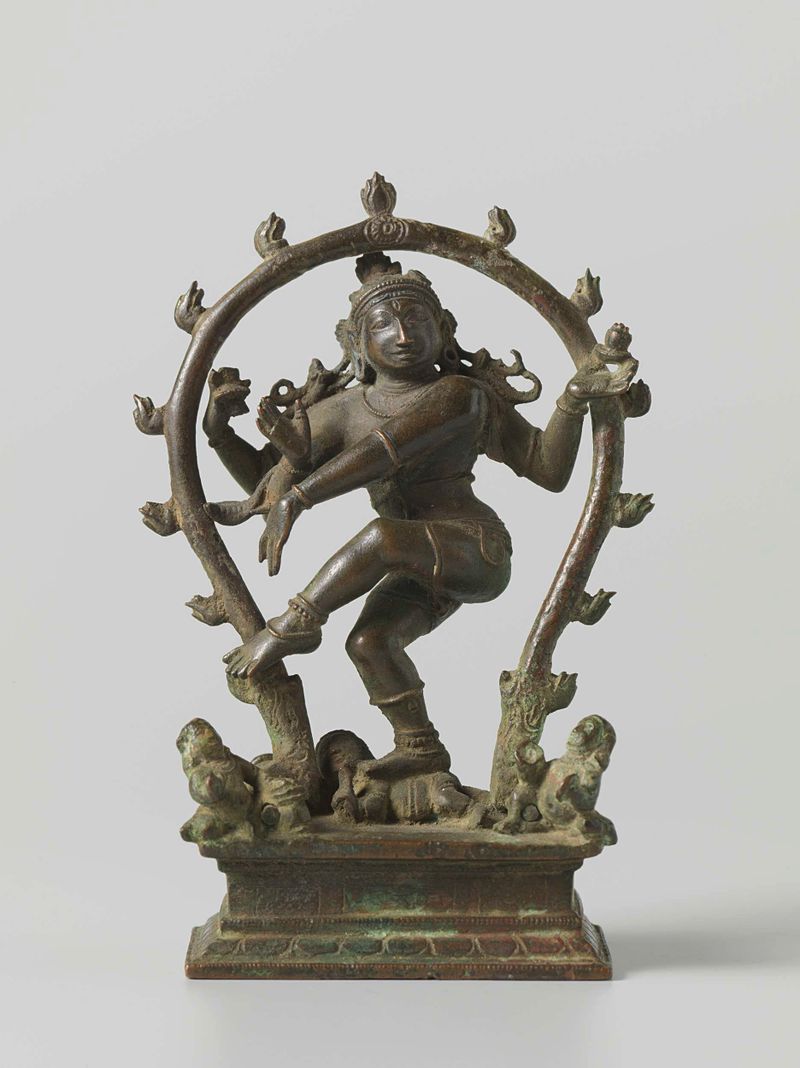
Shiva Nataraja
Unknown Artist

The Tale of Genji
Unknown Artist

The Tale of Genji
Unknown Artist

Cong
Unknown Artist
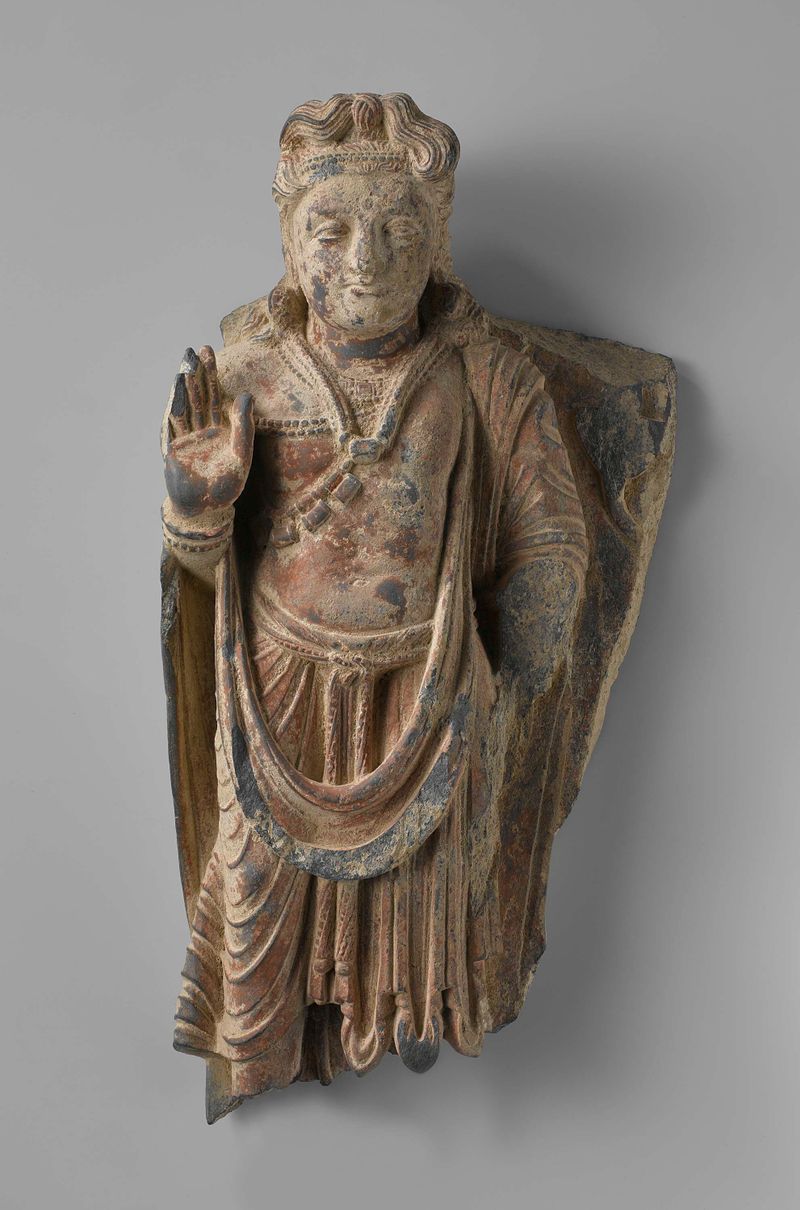
The bodhisattva Maitreya
Unknown Artist

Teabowl with a 'hare's fur' glaze
Unknown Artist