Mount Kennedy, County Wicklow, Ireland — History & Facts
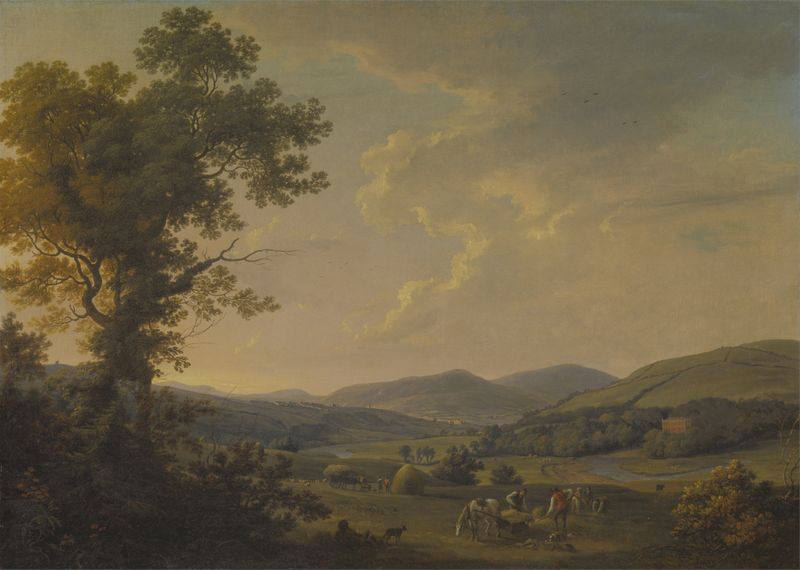
It holds the truth of our betrayals, both large and small, hidden beneath layers of paint and time. In the stillness of a landscape, Ashford captures the quiet ache of nature’s beauty, a reminder that even the serene can mask deeper emotional currents. Look to the left at the soft, rolling hills, their green hues interplaying with the muted blues of the distant mountains. The foreground is alive with delicate strokes depicting wildflowers, vibrant yet elusive.
Notice how the light gently illuminates the scene, casting shadows that stretch long, hinting at the complexity of the emotions bound to this idyllic setting. The composition invites you to traverse the landscape, drawing you from the foreground into the vastness beyond, a journey ripe with unspoken thoughts. Amidst the tranquil vista, there’s a tension between the beauty of the landscape and the hidden stories it might tell. The wildflowers bloom vividly, yet they stand fragile against the weight of the mountains, which loom silently in the background.
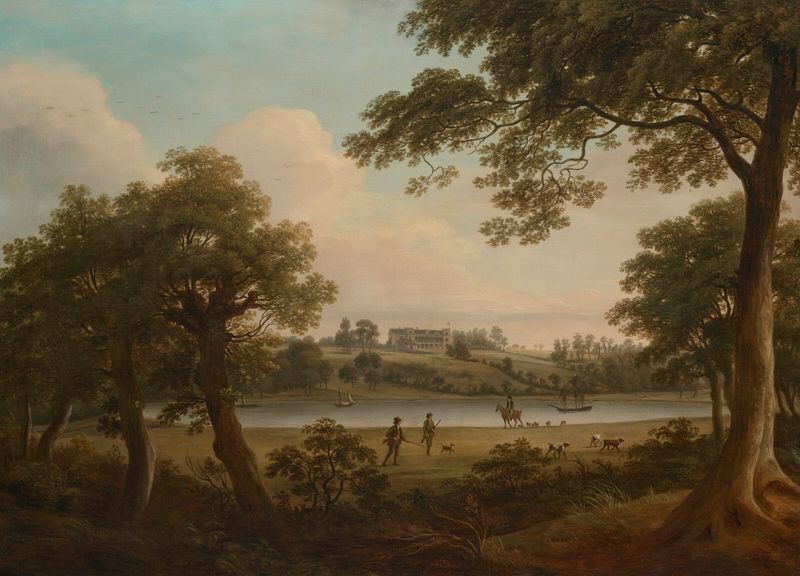
This juxtaposition evokes a sense of longing, perhaps for what is lost or unfulfilled, reflecting the betrayals that linger in memory. Each brushstroke seems to whisper of moments that might have been, caught in a bittersweet balance of nature's splendor and the shadows of human experience. William Ashford painted this work in the late 18th century, during a time when the Romantic movement was reshaping the landscape genre in art. With a focus on the sublime qualities of nature, he sought to depict the Irish countryside, capturing the essence of its rugged beauty.
Ashford was influenced by his contemporaries, exploring themes that intertwined man and nature, yet his own works often reveal a depth of emotion that speaks to personal and cultural narratives of his time.