Mount Tutoko — History & Facts
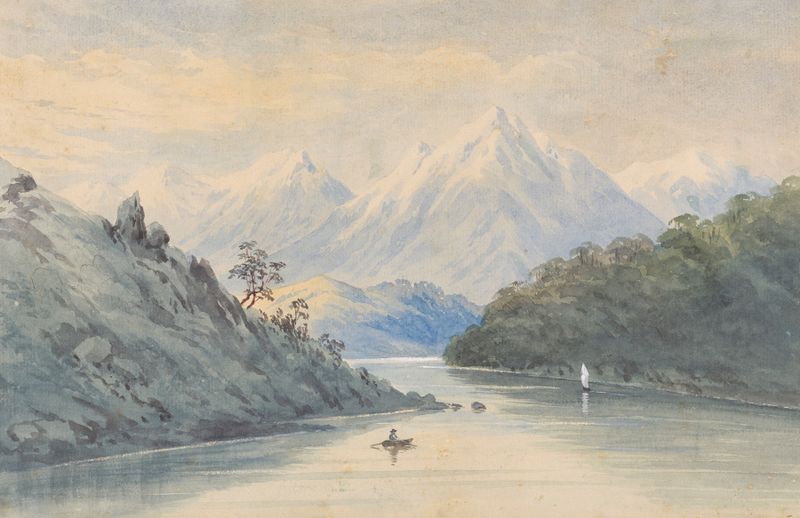
In Mount Tutoko, the essence of nostalgia and the passage of time reverberate across the canvas, inviting us to reflect on the memories woven into the fabric of our experiences. Focus first on the majestic peak rising proudly in the background, commanding the viewer’s attention with its sharp contours and powerful presence. Notice how the artist employs a delicate palette of greens and blues in the foreground to contrast against the stark, snow-capped summit. The interplay of light and shadow brings a sense of movement to the clouds swirling around the mountain, creating an atmosphere that feels both serene and charged with unspoken stories. Hidden within the layers of this landscape are emotional tensions, such as the juxtaposition of the tranquil valley below against the imposing mountain above.
The gentle curves of the trees below reflect a nurturing embrace, while the jagged edges of Tutoko hint at the harsh realities of nature. This contrast symbolizes not only the beauty of untouched wilderness but also the poignant memories we associate with our own journeys through life. Ernest Arthur Chapman painted Mount Tutoko in 1876 while residing in New Zealand, a period marked by his deepening interest in the rich landscapes that surrounded him. It was a time when the artistic community was beginning to embrace the natural world with a sense of authenticity and wonder, paving the way for future generations to explore the emotional landscapes of their own memories.