
Mountain Landscape — History & Facts
What if silence could speak through light? In Mountain Landscape, a serene vista unfolds where shadows dance like whispers across the rugged terrain, inviting contemplative silence. Look to the foreground, where deep greens and muted browns ground the scene, subtly framing the majestic peaks in the distance. Notice how the artist employs a gentle palette—soft blues and grays—imbuing the sky with a tranquil atmosphere, while patches of sunlight break through, illuminating the slopes. The interplay of shadow and light creates a harmonious tension, guiding your gaze to the towering mountains, as their craggy forms rise with an understated grandeur. The contrasts within the painting are profound.
The balance of light and shadow not only highlights the natural beauty but also evokes a sense of solitude and introspection. The darker areas hint at the unseen depths of nature's quiet mysteries, while the illuminated spaces encourage the viewer to seek clarity amid life's complexities. Each brushstroke invites contemplation, urging us to reflect on the layers of emotion residing within the landscape. Created around 1865, Mountain Landscape emerged during a pivotal time for François-Louis Français, who was deeply immersed in the Barbizon School's ideals, which emphasized a romanticized yet realistic portrayal of nature.
Living in a rapidly changing world, where industrialization was beginning to encroach upon the idyllic countryside, he sought to capture the enduring beauty and tranquility of the natural world, illuminating the shadows that often lay at the heart of human experience.
More Artworks by Francois-Louis Français
Browse all →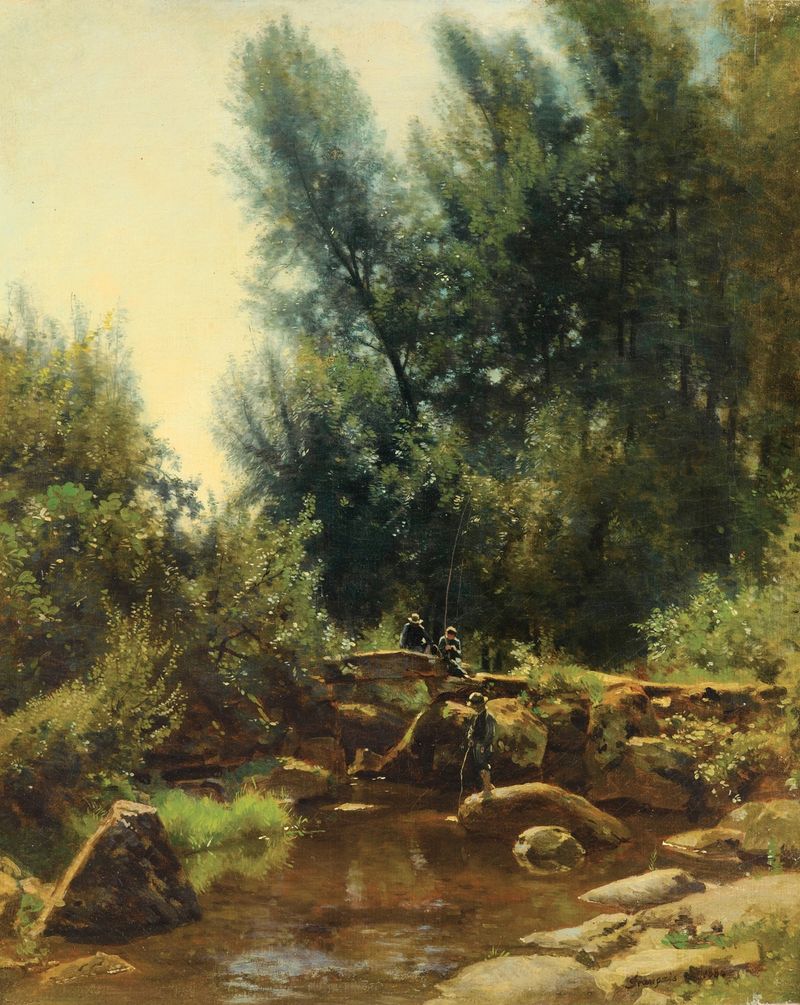
La partie de pêche
Francois-Louis Français
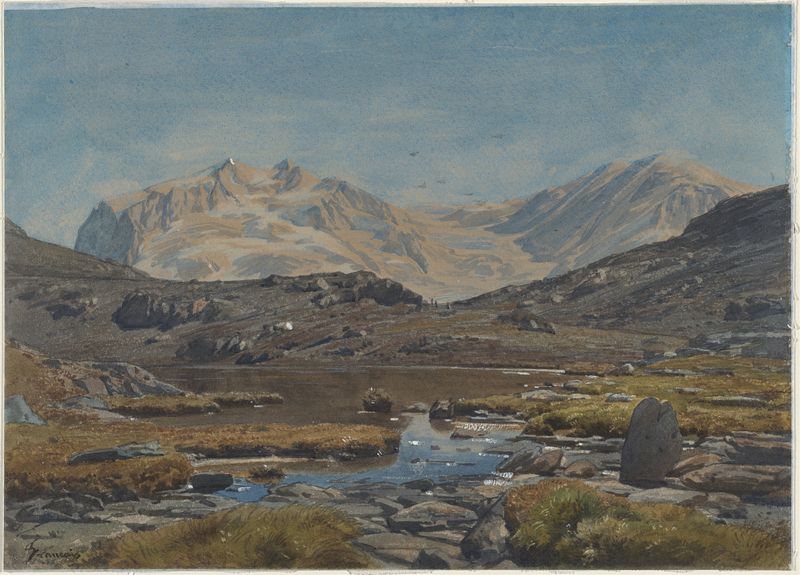
Mountain Landscape
Francois-Louis Français
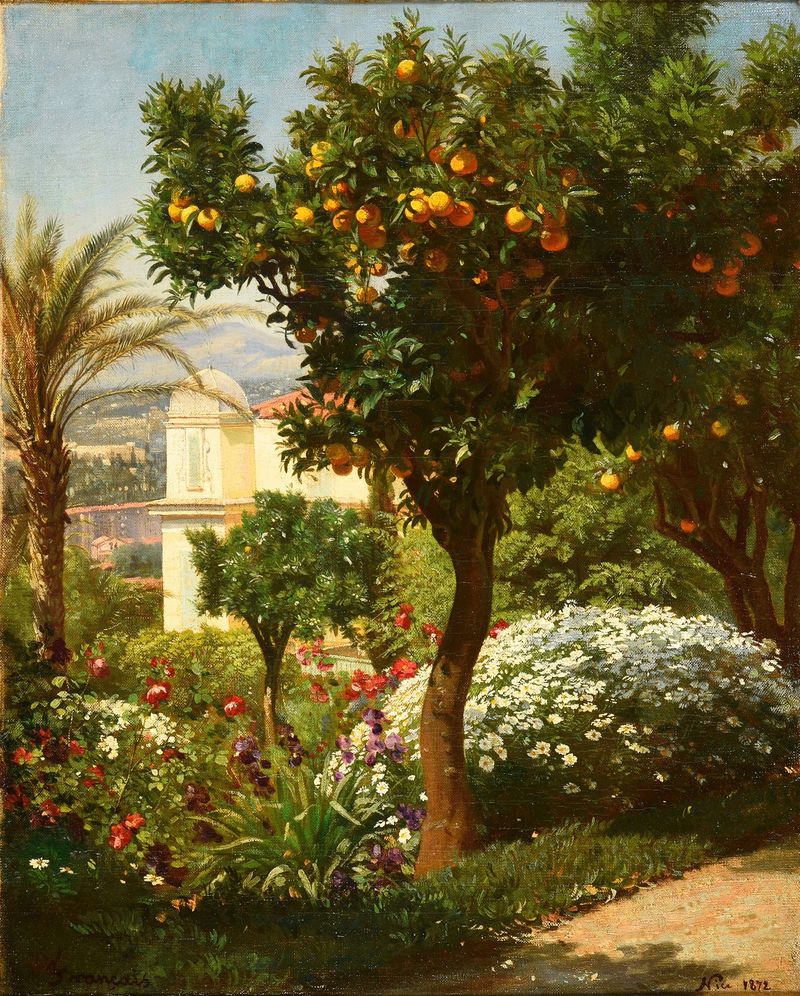
Un oranger dans la Villa Frémy à Nice
Francois-Louis Français

Étude d’hiver, Vallée de Münster
Francois-Louis Français

A Stream through a Dense Forest
Francois-Louis Français

Coin de jardin, Villa Fremy
Francois-Louis Français





