
Mountain Mill — History & Facts
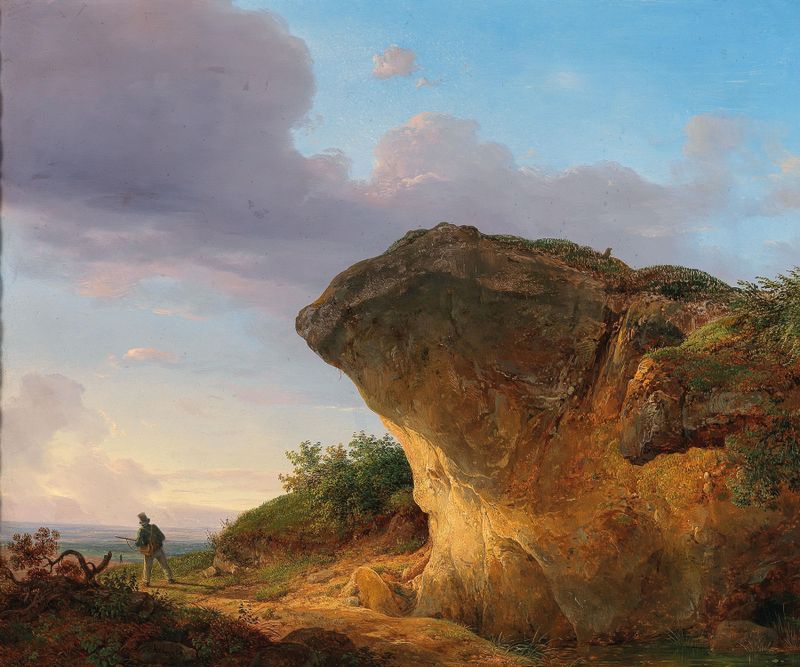
When did color learn to lie? In Mountain Mill, a vivid interplay of beauty and reality unfolds, revealing layers that transcend the mere depiction of a landscape. Look to the left at the crystalline blue of the sky, melding seamlessly into the rolling greens of the hills. The vibrant colors are not just pigments but rather an exhilarating dialogue between nature and human endeavor. The intricate details of the mill stand proudly in the foreground, its weathered stones colored with hues of ochre and gray that ground the scene, while wisps of white paint dance around the edges, suggesting a gentle breeze stirring the air. Delve deeper, and you'll find the subtle contrast of the robust mill against the delicate backdrop of the mountains.
This juxtaposition speaks to the resilience of human creativity amidst nature's grandeur. The harmonious composition evokes a sense of peace, yet it also hints at the transient nature of beauty—how the light shifts throughout the day, altering the very fabric of the colors we perceive. Each brushstroke is a whispered reminder of the fleeting moments that shape our appreciation of the world. Created in 1821, this piece emerged during a time when Franz Steinfeld was deeply influenced by the Romantic movement, which celebrated nature's awe and beauty.
Living in Vienna, he was witnessing the transformation of landscapes both by industrialization and the evolving artistic expression of the era. This backdrop informed his work, as he sought to capture the essence of harmony between man and nature, making Mountain Mill a poignant reflection of his artistic journey.
More Artworks by Franz Steinfeld
Browse all →
Ansicht aus dem Salzkammergut
Franz Steinfeld

A View of Perchtoldsdorf near Vienna
Franz Steinfeld
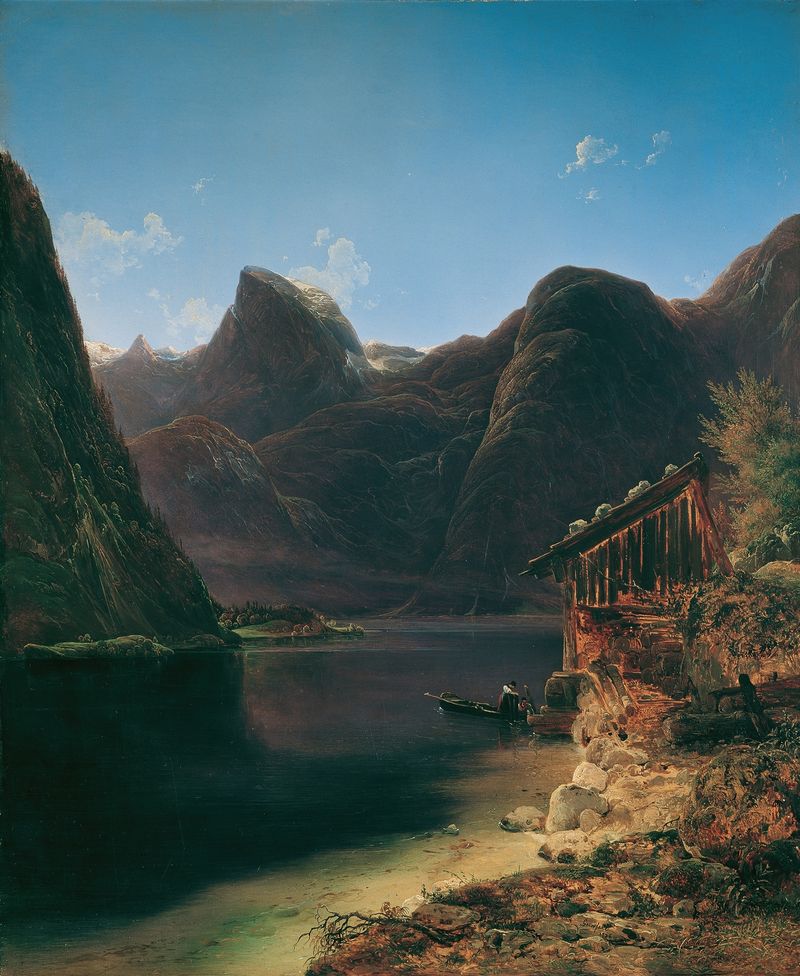
Der Hallstätter See
Franz Steinfeld
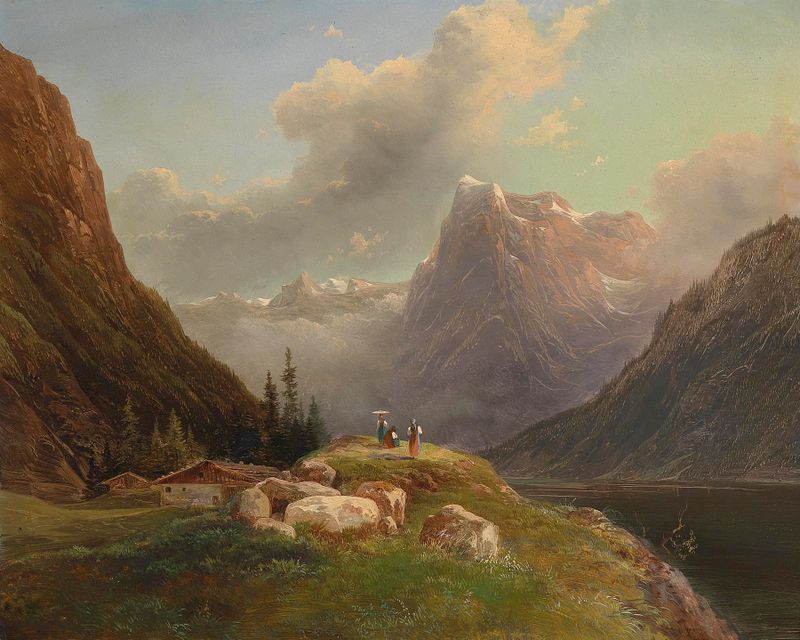
Salzkammergut
Franz Steinfeld

Felsental (Im Höllental)
Franz Steinfeld
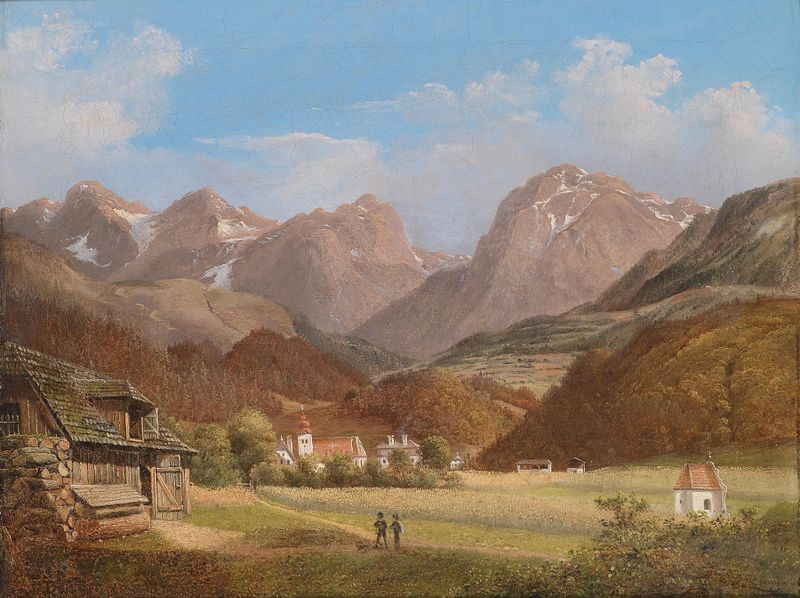
Scene near Krain
Franz Steinfeld
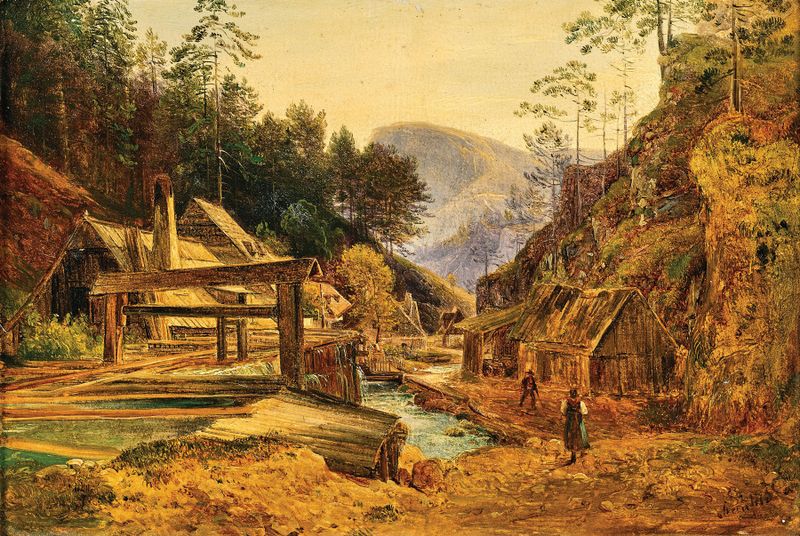
A Landscape with a Hammer Mill
Franz Steinfeld
Hunter before a Rock
Franz Steinfeld

Mill On Lake Hallstatt
Franz Steinfeld

Wild Waters
Franz Steinfeld





