
Mozes ontvangt de Stenen Tafelen — History & Facts
Is this a mirror — or a memory? In the tension between sacred history and human experience, emptiness reveals itself, inviting us to examine our own existence. Begin your exploration with the figures in the foreground, where an imposing Moses stands, godlike yet deeply human. His furrowed brow and outstretched arms draw our eyes, demanding attention. Notice the subtle play of light and shadow across his robes, crafted in hues of deep blue and earthy brown, which contrast against the starkness of his surroundings.
The tablets he receives, radiant and almost ethereal, call forth a divine truth that shifts the focus from the earthly to the transcendent. Delve deeper into the composition, and you'll find that emptiness permeates the background, with vast, unadorned space amplifying the moment of revelation. This absence can be interpreted as a profound silence, a void that emphasizes the weight of what is being bestowed upon Moses. The juxtaposition of his solemnity against the starkness of the backdrop prompts contemplations on authority, faith, and the burdens of leadership.
The artist's choice of a muted palette enhances these themes, suggesting that the most significant journeys often lie not in the vibrant details of life, but in the quiet moments of reflection. Created between 1525 and 1530, this artwork emerges from an era marked by religious upheaval and transformation in Europe. The artist, an anonymous figure, contributed to a burgeoning interest in biblical narratives through visual storytelling, echoing the concerns of a society grappling with faith and identity. In this context, the painting serves not only as a reflection of its time but also as a timeless dialogue with the viewer, urging us to confront our own silence and meaning.
More Artworks by Unknown Artist
Browse all →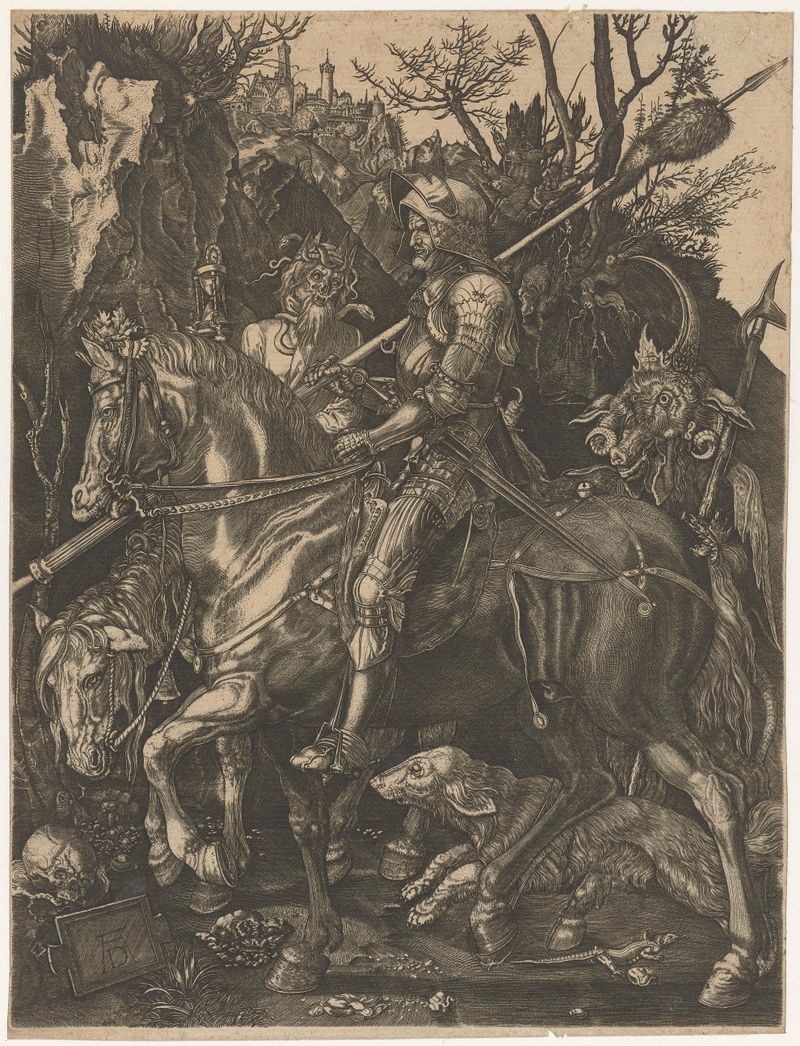
Ridder, Dood en Duivel
Unknown Artist
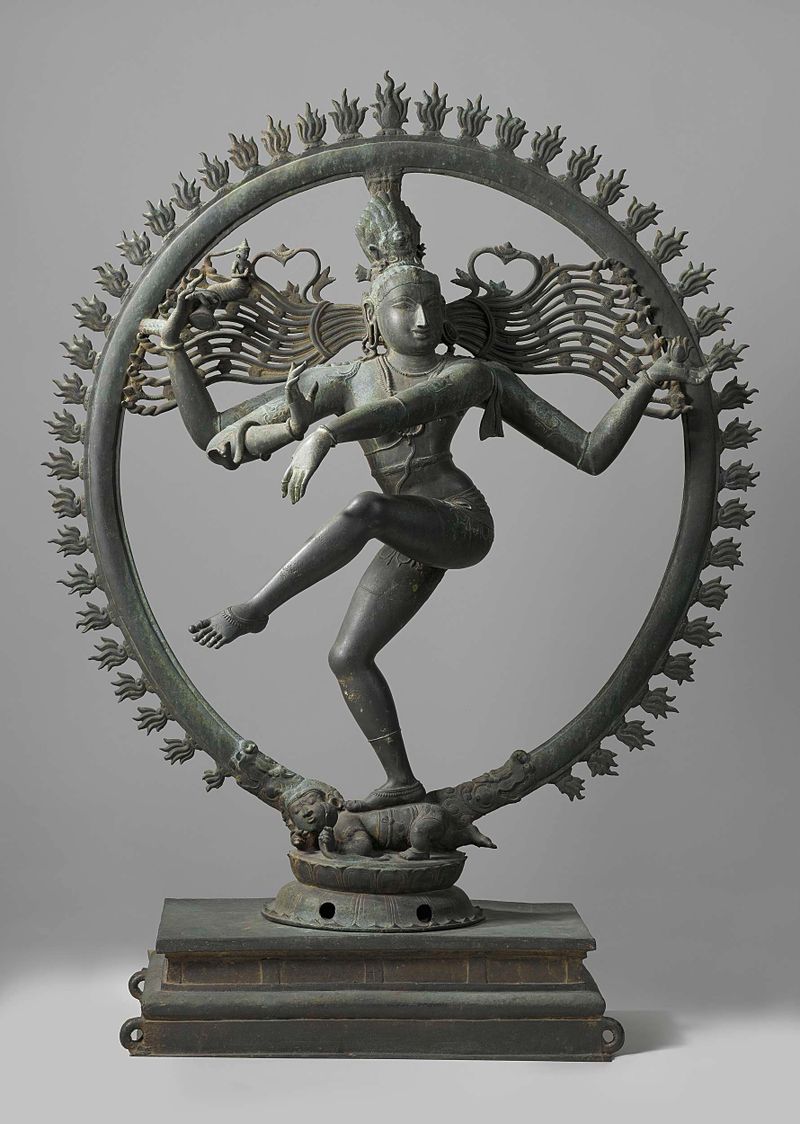
Shiva Nataraja
Unknown Artist
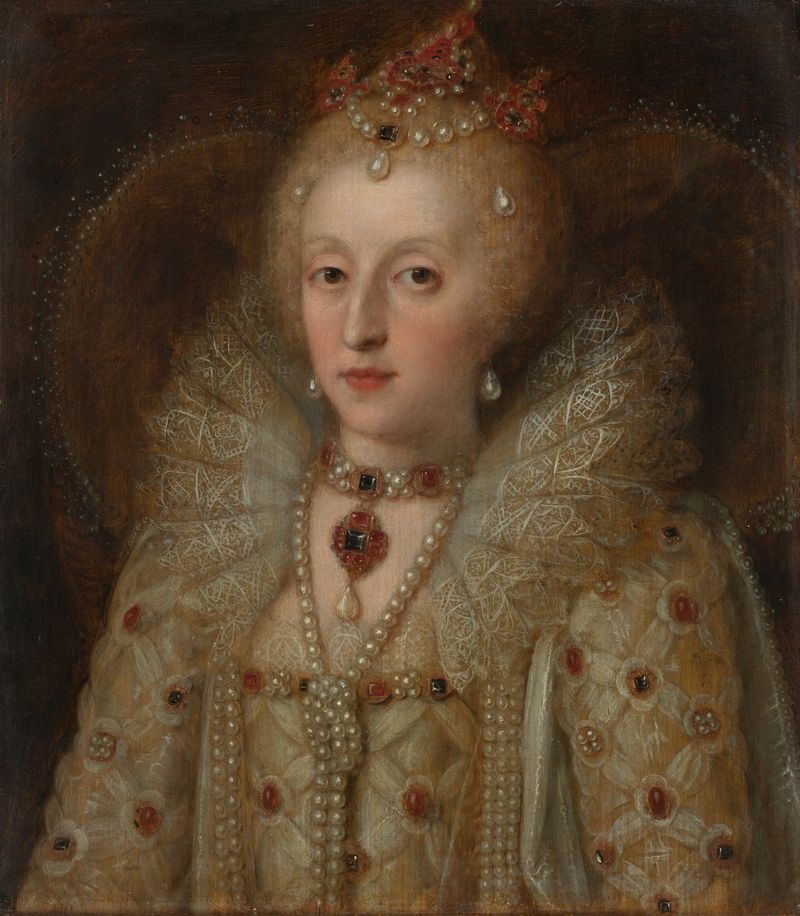
Portrait of Elizabeth I, Queen of England
Unknown Artist
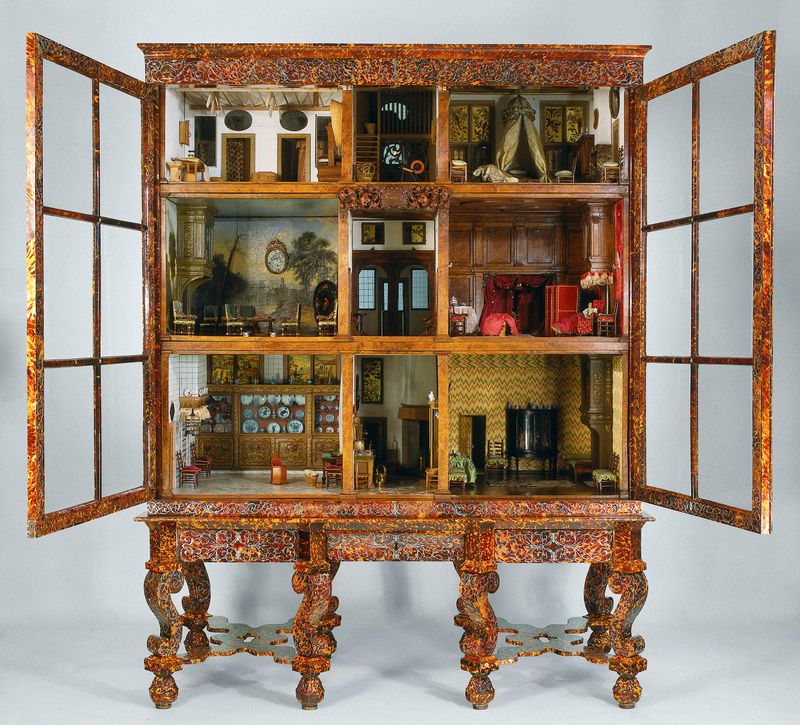
Dolls’ house of Petronella Oortman
Unknown Artist
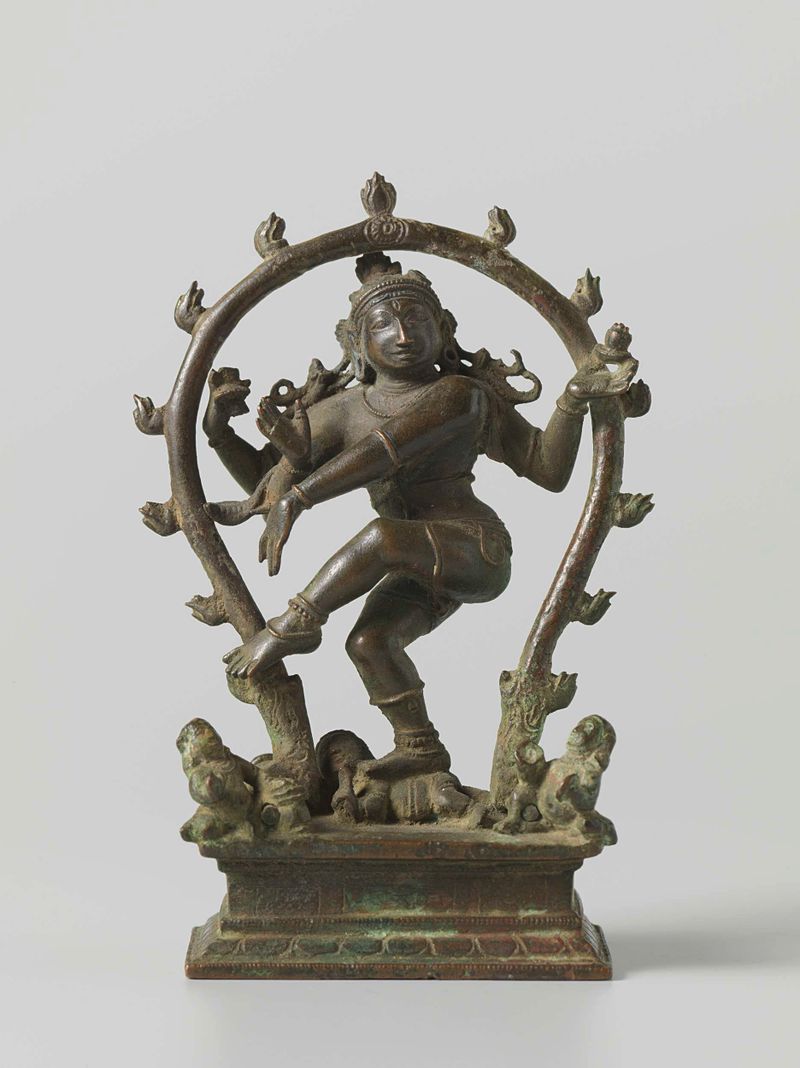
Shiva Nataraja
Unknown Artist

The Tale of Genji
Unknown Artist

The Tale of Genji
Unknown Artist
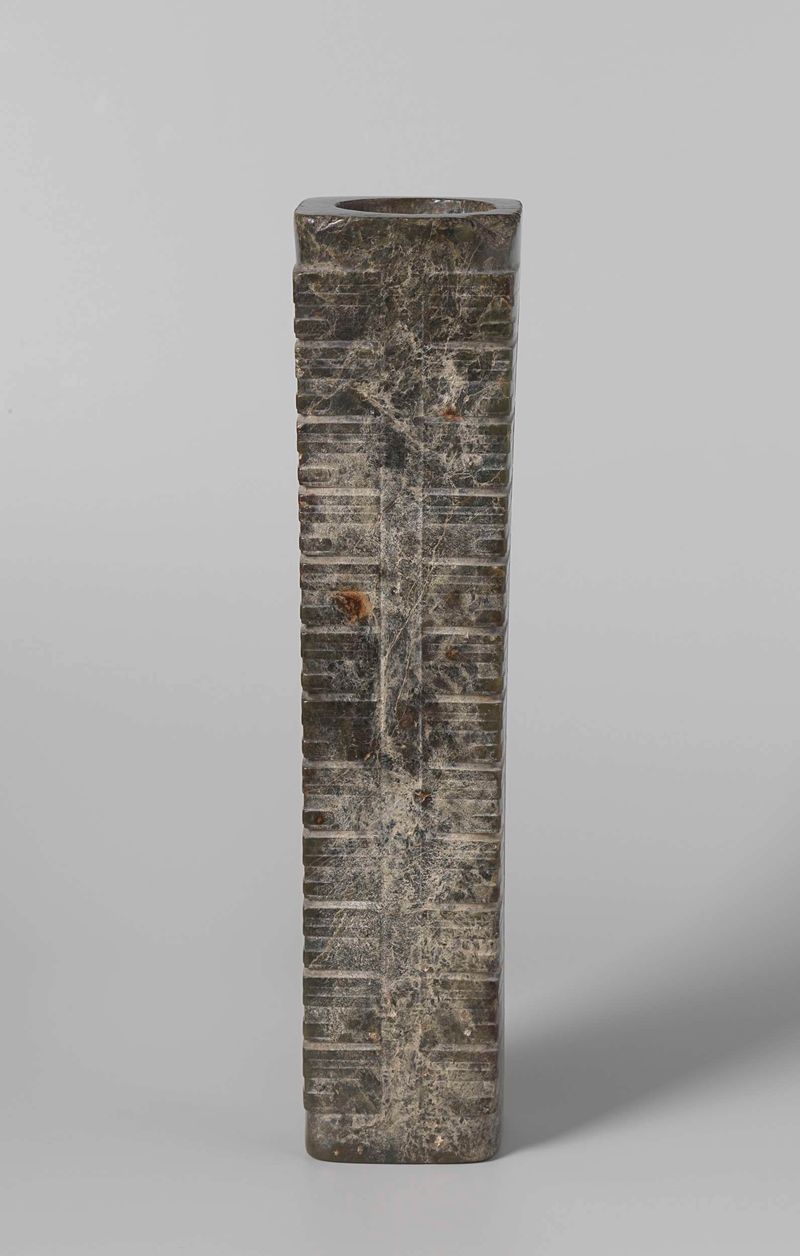
Cong
Unknown Artist
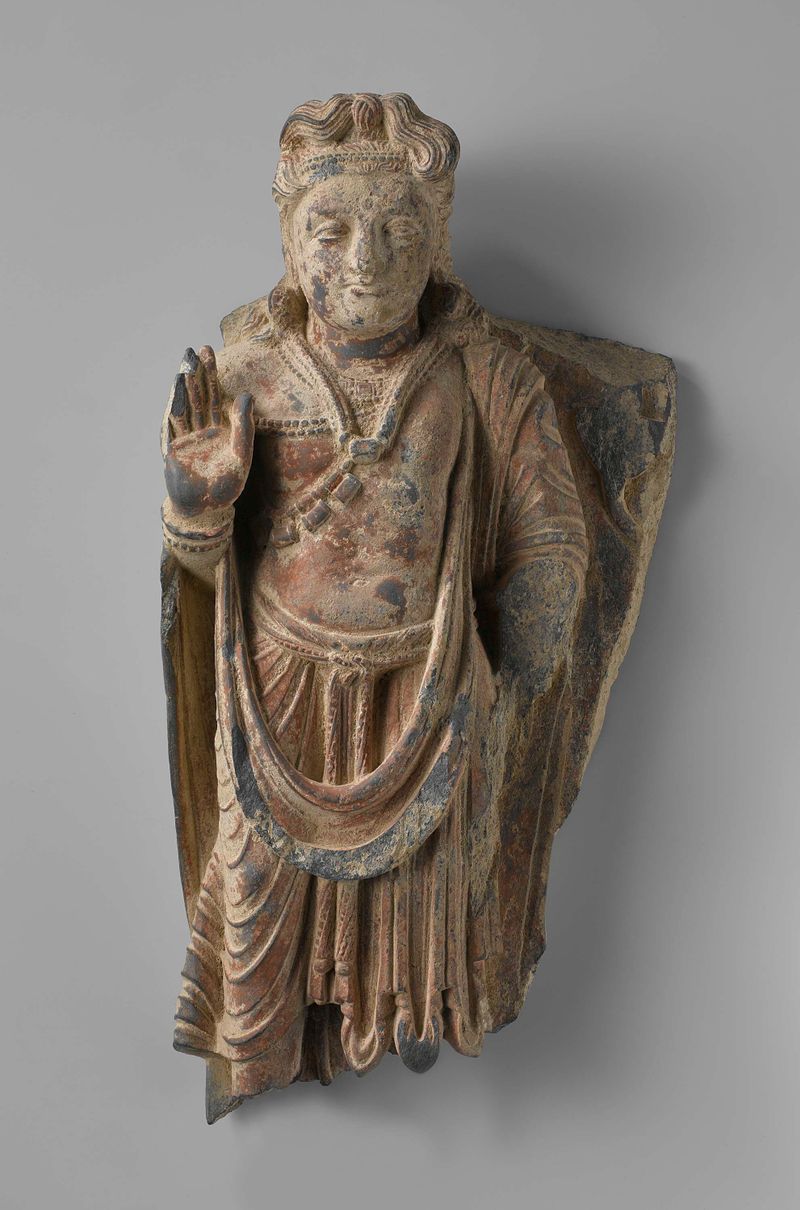
The bodhisattva Maitreya
Unknown Artist
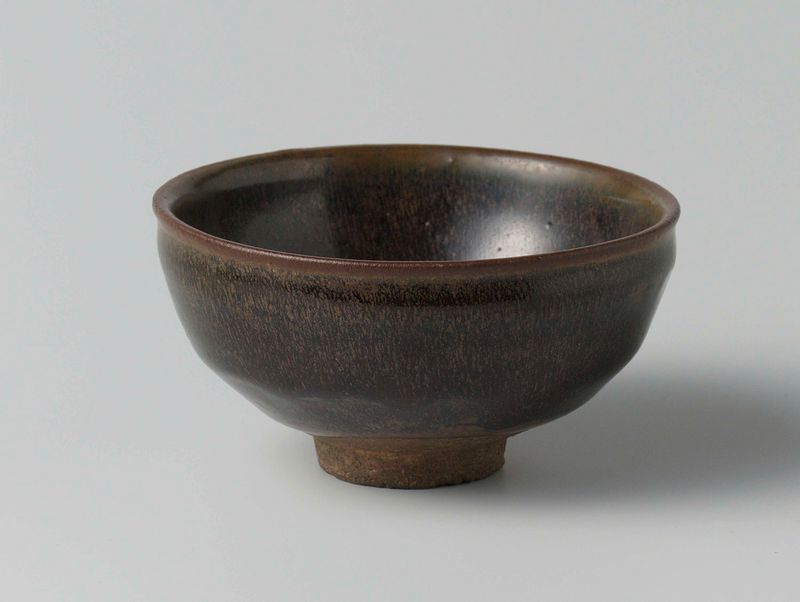
Teabowl with a 'hare's fur' glaze
Unknown Artist
More Religious Art
Browse all →
The Return of the Prodigal Son
Rembrandt van Rijn

The Garden of Earthly Delights
El Bosco

Count Orgaz’ funeral
El Greco

The Hundred Guilder Print: the central piece with Christ preaching, the plate arched
Rembrandt van Rijn

The Descent from the Cross
Rogier van der Weyden

The return of the prodigal son
Rembrandt van Rijn