
Nieuwpoort — History & Facts
When did color learn to lie? The vibrant hues of Nieuwpoort tug at the viewer's emotions, evoking questions of truth and deception in the realm of perception. Focus first on the turbulent sky, where deep indigos and burned oranges clash in an unsettling dance. The sharp, angular forms of the buildings emerge from the chaos below, their structured facades starkly contrasting with the wild nature above. Notice how the light spills erratically across the canvas, illuminating some areas while plunging others into an ominous shadow, hinting at the tension that brews just beneath the surface. There’s an undeniable violence in the juxtaposition of the serene landscape and the tempestuous skies.
The colors seem to weep with intensity, suggesting a narrative of unrest or conflict lurking just out of sight. The brushstrokes, seemingly random yet calculated, lead the eye toward a sense of unease—evidence that beauty can simultaneously mask turmoil and reflect the rawness of human experience. In this period of his life, Richard Baseleer was navigating the complexities of contemporary art, exploring themes of reality and illusion. Though the exact date of creation remains unknown, the dynamic style reflects the evolving dialogues of post-war Europe, where artists like Baseleer grappled with the aftermath of conflict and sought to convey layered meanings through their work.
More Artworks by Richard Baseleer
Browse all →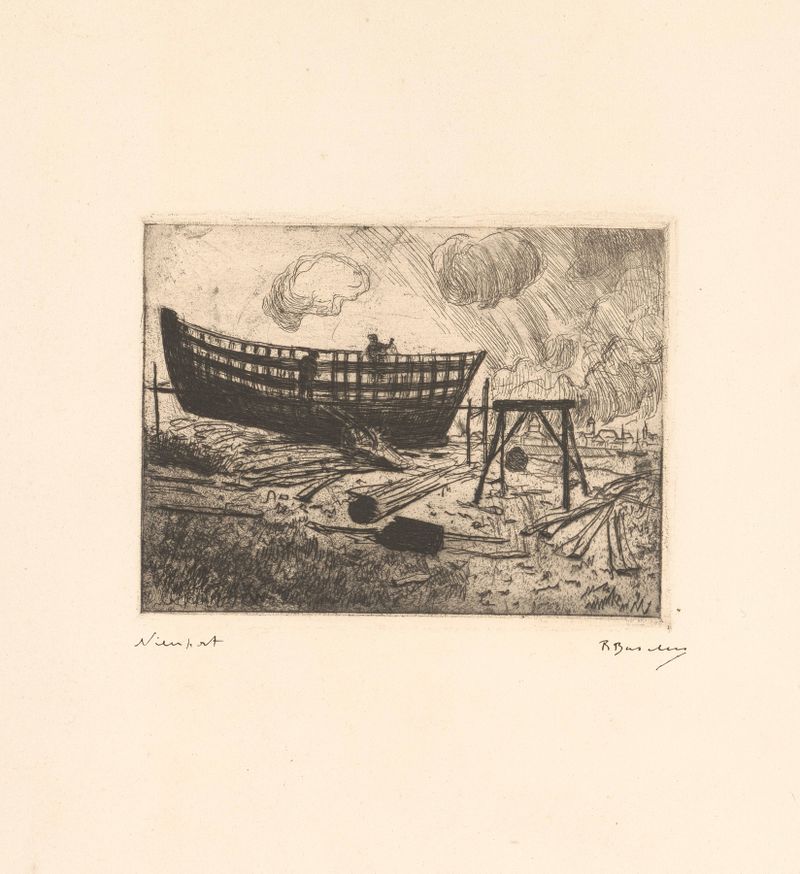
Nieuwpoort
Richard Baseleer

Dike Building on the Beach at Knokke
Richard Baseleer

View of the harbour
Richard Baseleer

Nieuwpoort
Richard Baseleer
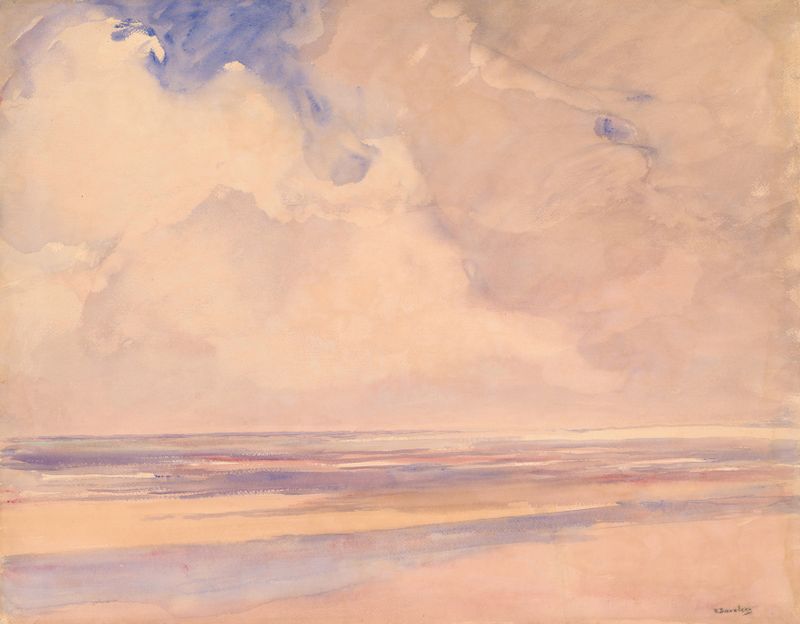
Sea view
Richard Baseleer
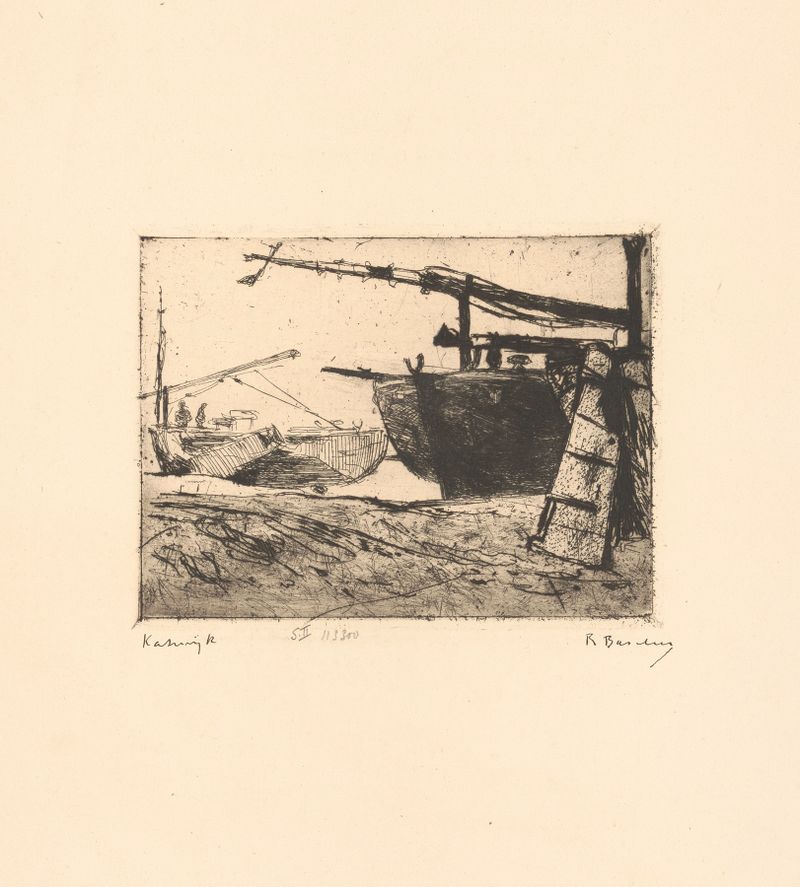
Views of Katwijk
Richard Baseleer

Views of Katwijk
Richard Baseleer
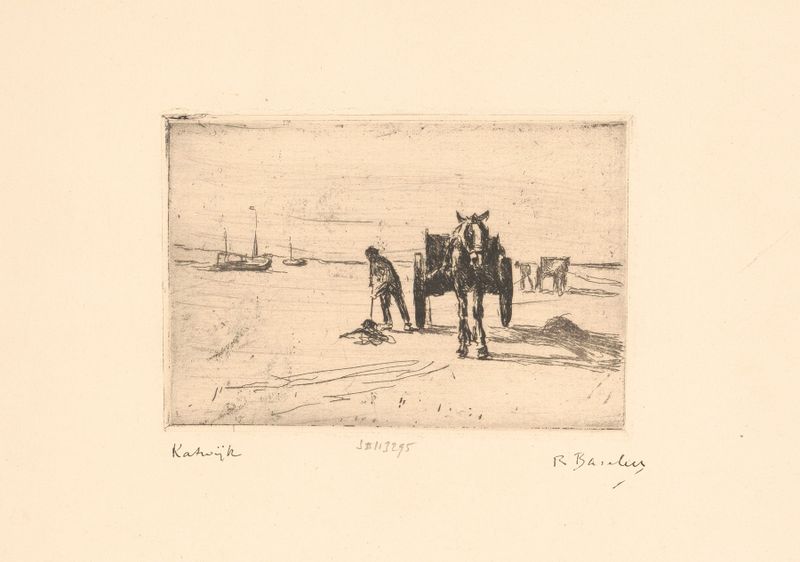
Views of Katwijk
Richard Baseleer

Views of Katwijk
Richard Baseleer

Views of Katwijk
Richard Baseleer





