Nocturne — History & Facts
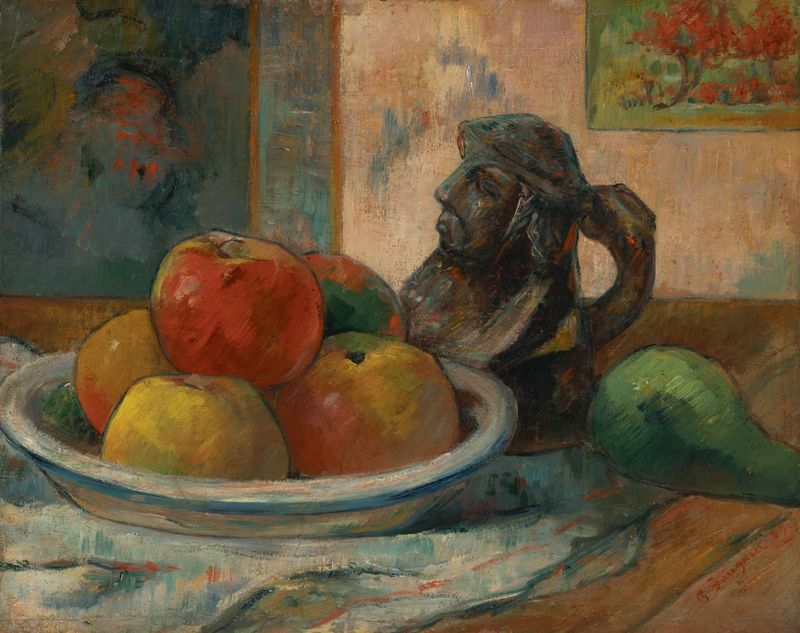
Could beauty survive in a century of chaos? In an era where fleeting moments and crowds often obscure deeper truths, the essence of legacy remains a poignant question. Focus your gaze on the serene arrangement at the center of the canvas, where a solitary table holds the remnants of a life once lived. Notice how the soft, muted tones of browns and deep blues envelop the scene, casting a calm, introspective mood. The delicate play of light dances across the objects, inviting you to explore the intricate details of each item—a violin, a book, a cracked porcelain cup—each a vessel of memory, whispering stories of the past. The juxtaposition of simplicity and depth is striking.
The objects seem abandoned yet cherished, symbolizing the relentless passage of time and the weight of history that clings to them. The dusty surface suggests neglect, yet the presence of these artifacts implies a lingering reverence, evoking the emotional tension between loss and remembrance. In this still life, the artist encapsulates the struggle of preserving beauty amid life's inevitable decay. Created in the late 19th century, this work emerged during a time of great transition in the art world as realism began to challenge romantic ideals.
Peto, an American still-life painter, was known for his meticulous attention to detail and the evocative qualities of light and shadow. In a society confronting rapid industrialization and change, his choice to focus on intimate scenes reflects a yearning to connect with legacy and the stories that endure beyond chaos.