
Notre-Dame de Paris — History & Facts
What if silence could speak through light? In the stillness of dawn, the hallowed stones of Notre-Dame seem to whisper secrets of innocence to the waking day. Look closely at the soft brushstrokes that form the intricate façade. The artist captures the cathedral’s grand silhouette against a hazy sky, allowing the light to dance delicately on the stone. Notice how the muted palette of blues and greens evokes a sense of tranquility, inviting viewers into a sacred moment suspended in time.
The interplay of light and shadow creates an ethereal quality, transforming the structure into a timeless beacon of hope. Within this serene composition lies a contrast between the solidity of the architecture and the fragile nature of the morning light. The gentle illumination suggests a new beginning, perhaps a metaphor for rebirth or the innocence found in fleeting moments. Each brushstroke seems to embody the spirit of the city, hinting at the lives that have intertwined within the cathedral’s walls, as if the very stones hold the echoes of prayers and dreams. Created during a period of transition in the late 19th to early 20th century, Notre-Dame de Paris reflects Albert Lebourg’s engagement with the Impressionist movement.
Working in France, he was influenced by the rapid changes in society and art, embracing a style that emphasized perception and atmosphere. In this context, his rendering of the iconic cathedral not only immortalizes its beauty but also captures the essence of innocence amidst the march of time.
More Artworks by Albert Lebourg
Browse all →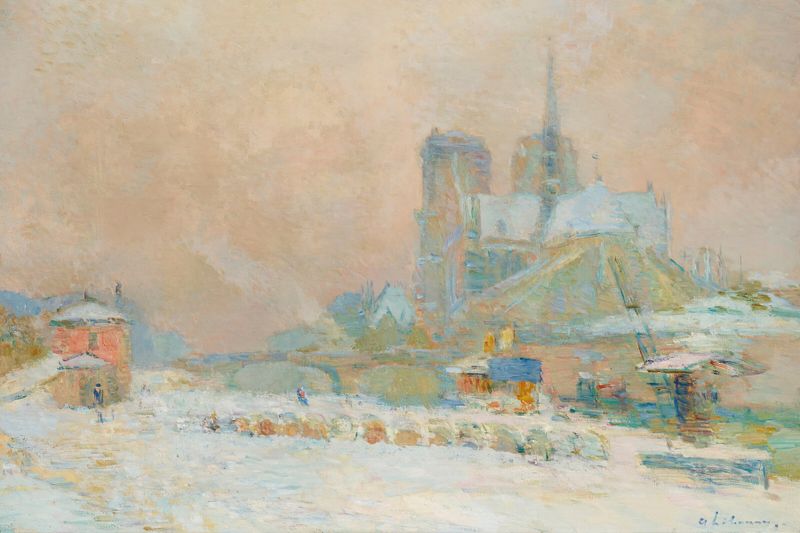
Notre Dame de Paris, vue du Quai de la Tournelle, effet de neige
Albert Lebourg
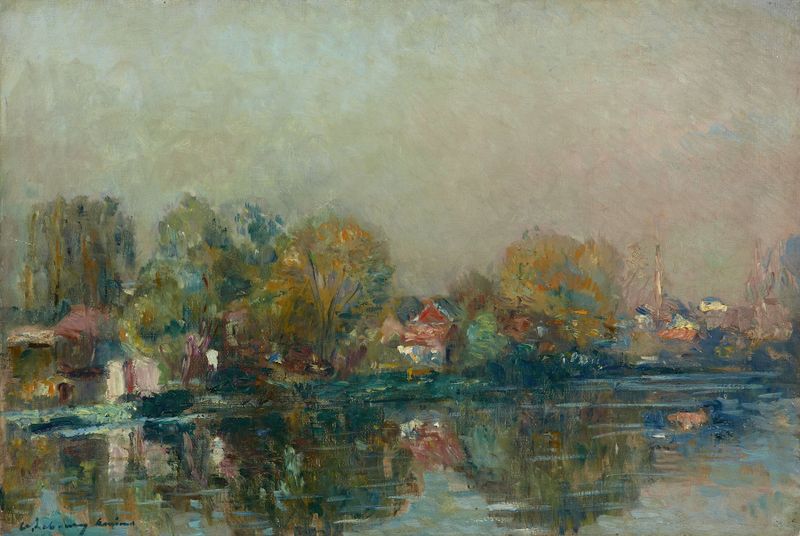
Amiens, bords de rivière
Albert Lebourg
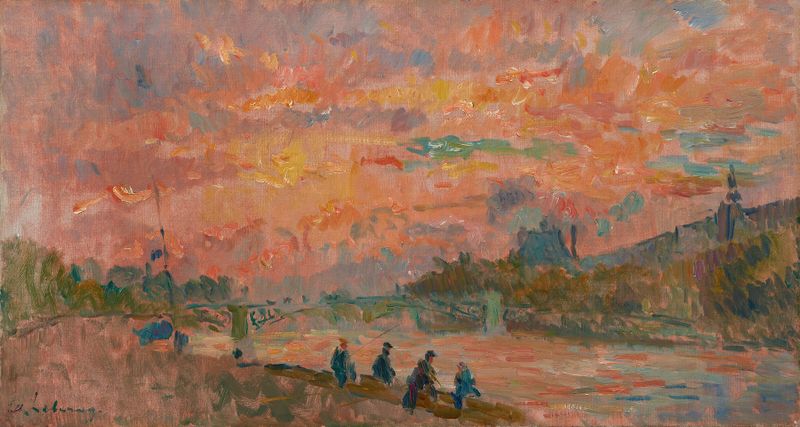
Coucher de soleil sur la Seine, à Paris
Albert Lebourg
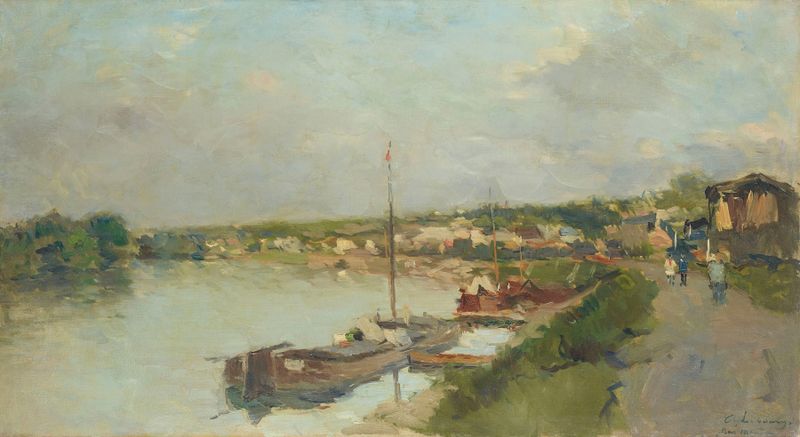
La Seine au Bas-Meudon
Albert Lebourg
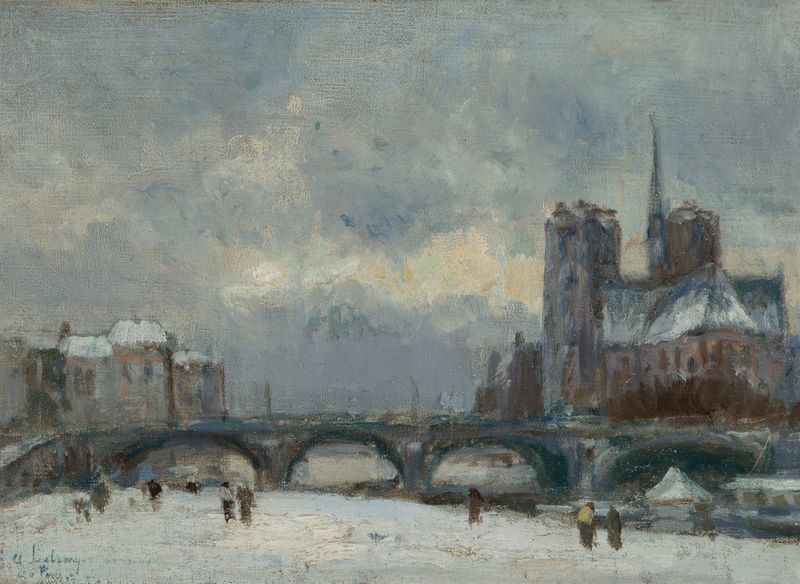
Paris, Notre-Dame, neige
Albert Lebourg
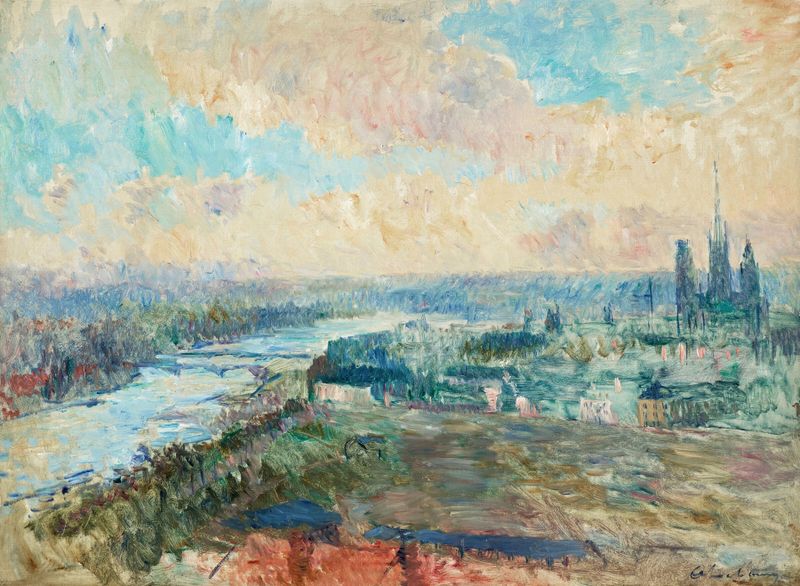
La Seine à Rouen
Albert Lebourg
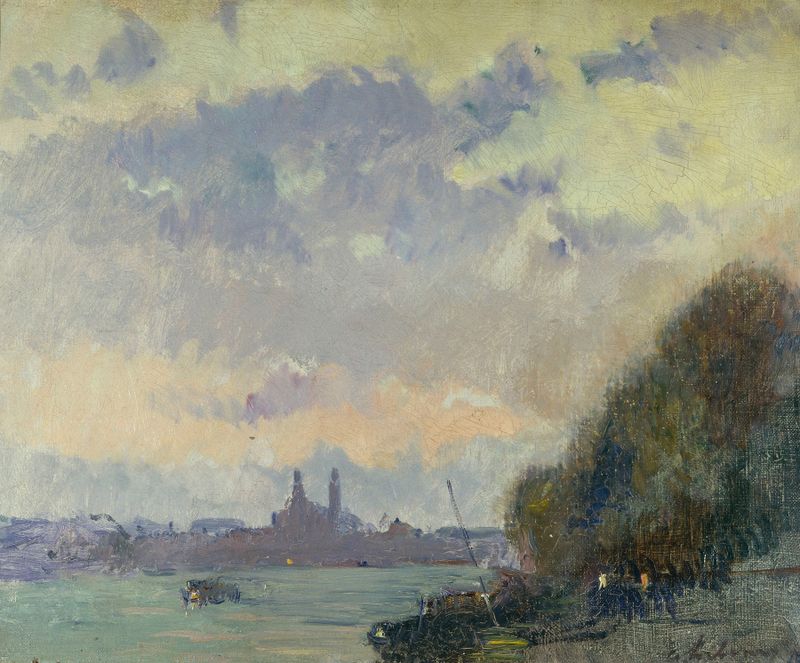
La Seine et l’ancien Trocadéro
Albert Lebourg
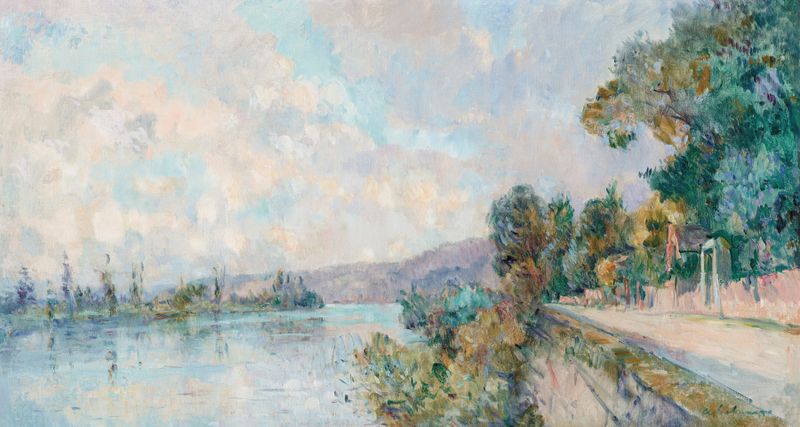
La Seine et les coteaux de Dieppedalle, vue prise de Croisset, près Rouen
Albert Lebourg
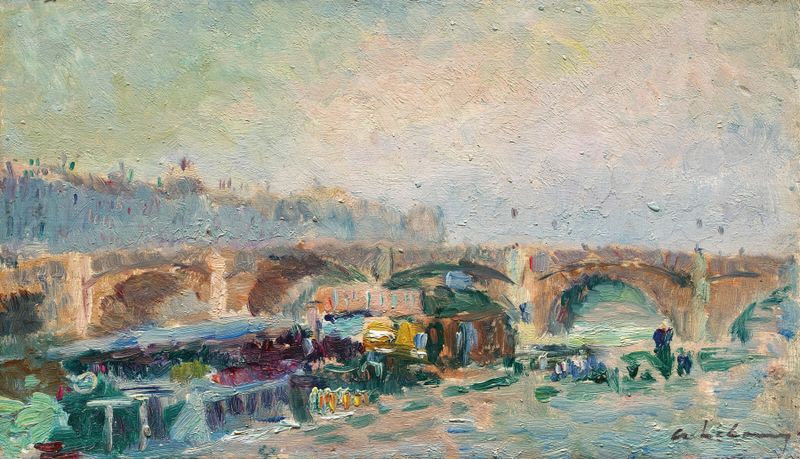
Le Pont de la Tournelle et le quai de Béthune
Albert Lebourg
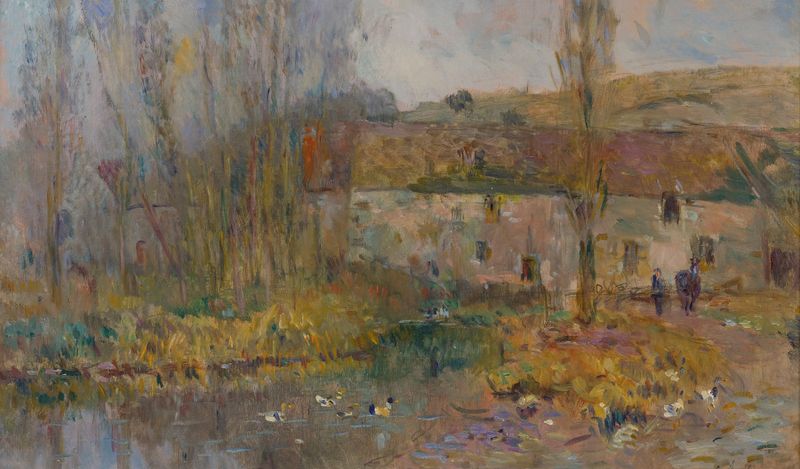
Moulin En Normandie
Albert Lebourg
More Architecture Art
Browse all →
The statue of Liberty
Frédéric Auguste Bartholdi

View of Houses in Delft, Known as ‘The Little Street’
Johannes Vermeer

View of Houses in Delft, Known as ‘The Little Street’
Johannes Vermeer

The Cathedral in Rouen. The portal, Grey Weather
Claude Monet

The yellow house
Vincent van Gogh

The Church in Auvers-sur-Oise, View from the Chevet
Vincent van Gogh