
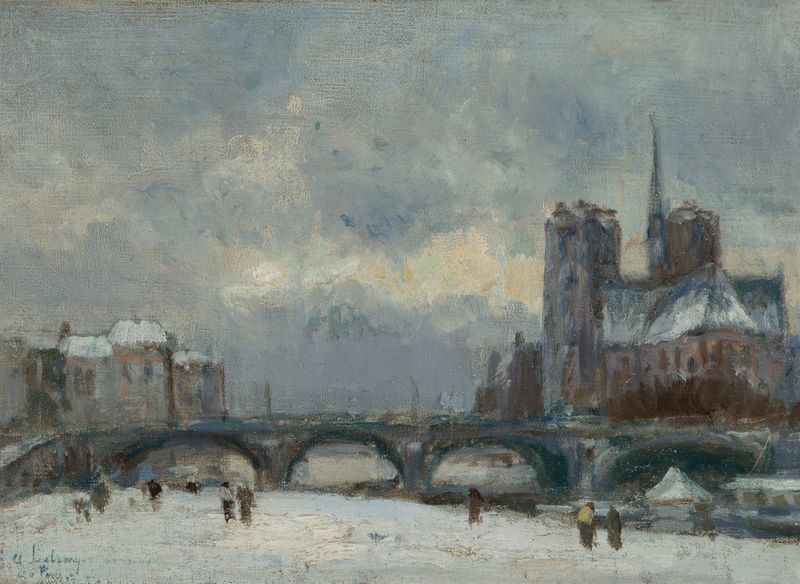
Notre Dame de Paris, vue du quai de la Tournelle, effet de neige — History & Facts
Within each stroke of paint lies the potential for transformation, a reminder that beauty often emerges from the most unexpected circumstances. Look to the foreground, where soft white snow blankets the banks of the Seine, creating a serene yet enigmatic atmosphere. Notice how the artist captures the gentle interplay of light against the cool blues and warm ochres, as the iconic silhouette of Notre Dame rises gracefully in the background. The delicate brushwork portrays individual snowflakes, each unique, yet collectively forging a harmonious scene, inviting viewers to linger in quiet contemplation. Beneath the tranquil surface, a palpable tension exists between the warmth of the church and the coldness of the snowy landscape.
The spires of Notre Dame, steadfast and unwavering, seem to symbolize resilience amidst the harshness of winter. The contrast between the dynamic play of light and shadow evokes feelings of nostalgia, reminding us of life’s cyclical nature — the promise of spring hidden within winter's grasp. Albert Lebourg painted this work during the late 19th century, a period marked by the transition to Impressionism in France. Living in a time when the art world was embracing new perspectives and techniques, he sought to convey the fleeting qualities of light and atmosphere in his landscapes.
This piece, characterized by its snowy effect, reflects his dedication to capturing the ephemeral beauty of everyday scenes, serving as a testament to the transformative power of nature and art.
More Artworks by Albert Lebourg
Browse all →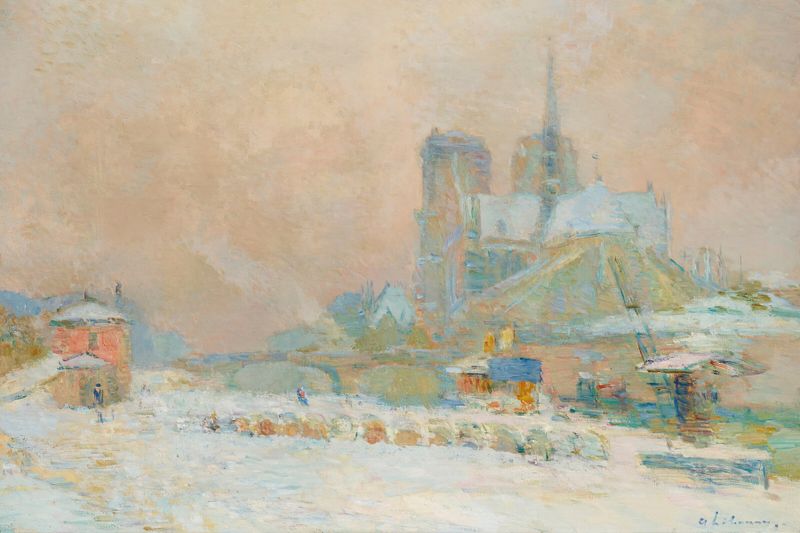
Notre Dame de Paris, vue du Quai de la Tournelle, effet de neige
Albert Lebourg
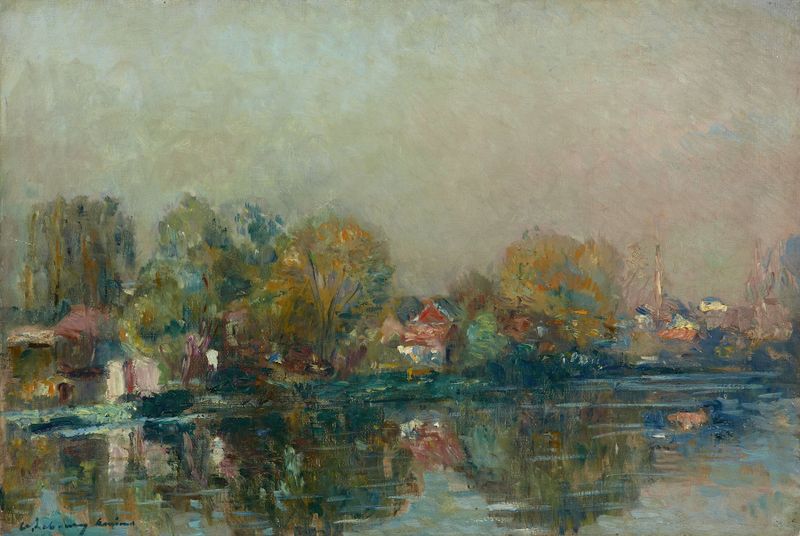
Amiens, bords de rivière
Albert Lebourg
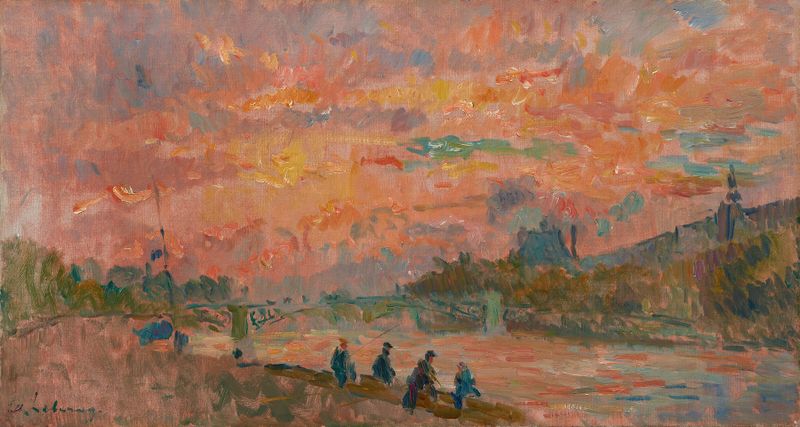
Coucher de soleil sur la Seine, à Paris
Albert Lebourg
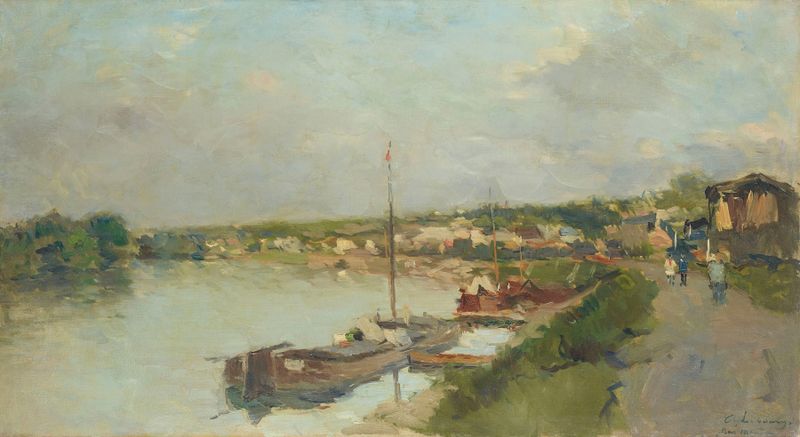
La Seine au Bas-Meudon
Albert Lebourg
Paris, Notre-Dame, neige
Albert Lebourg
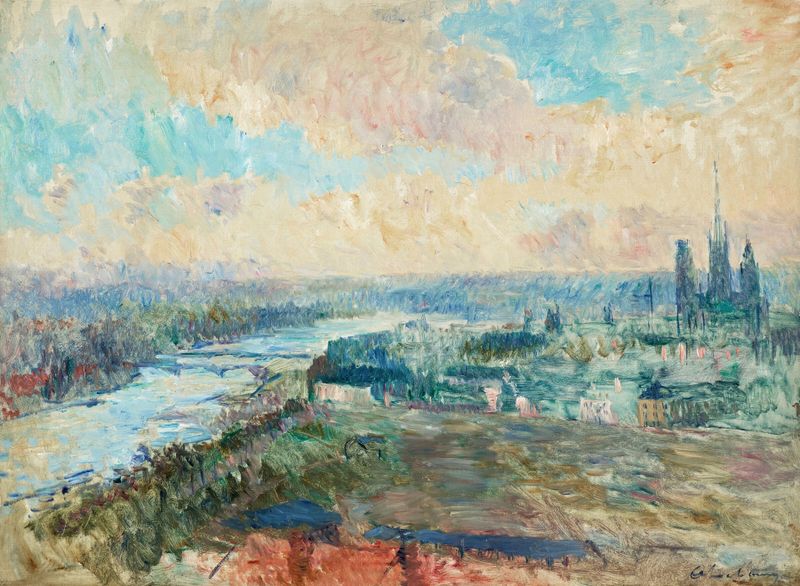
La Seine à Rouen
Albert Lebourg
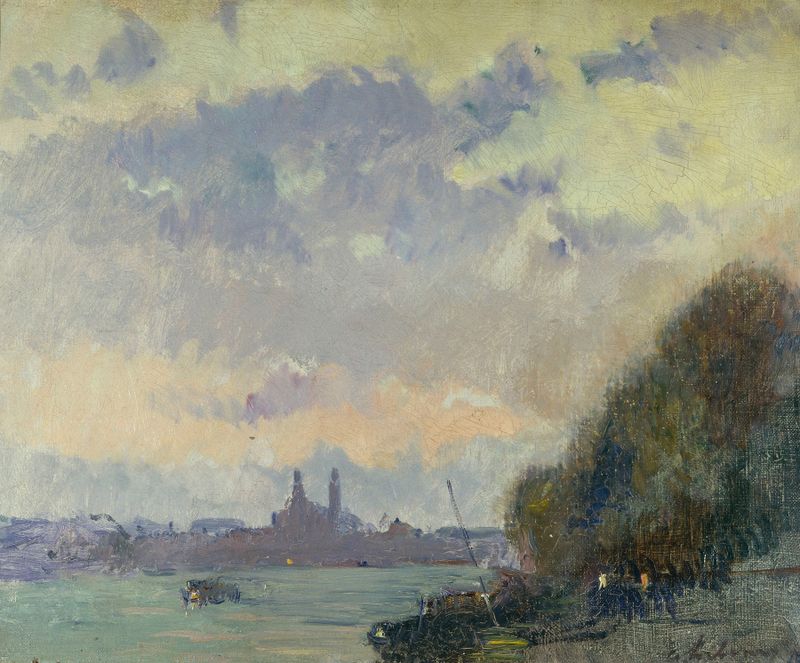
La Seine et l’ancien Trocadéro
Albert Lebourg
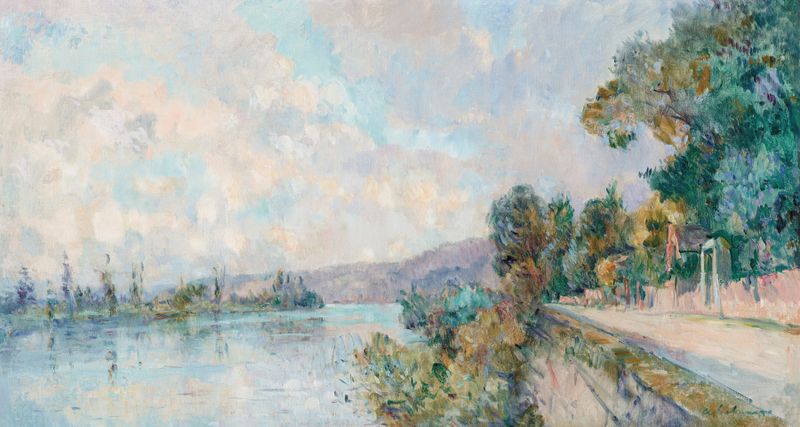
La Seine et les coteaux de Dieppedalle, vue prise de Croisset, près Rouen
Albert Lebourg
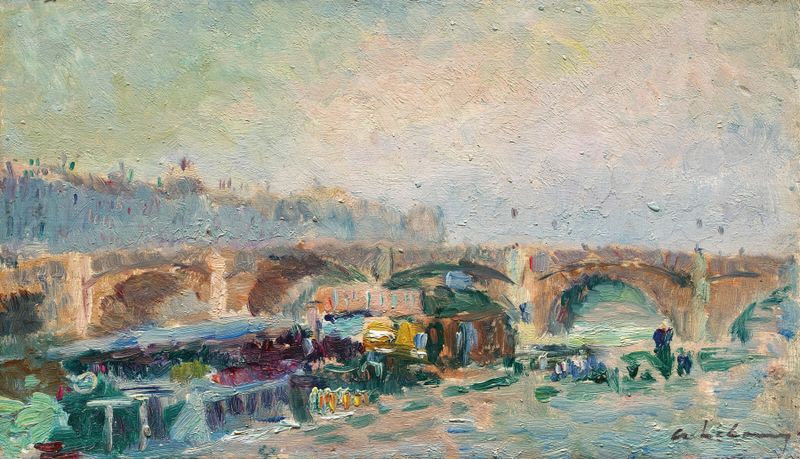
Le Pont de la Tournelle et le quai de Béthune
Albert Lebourg
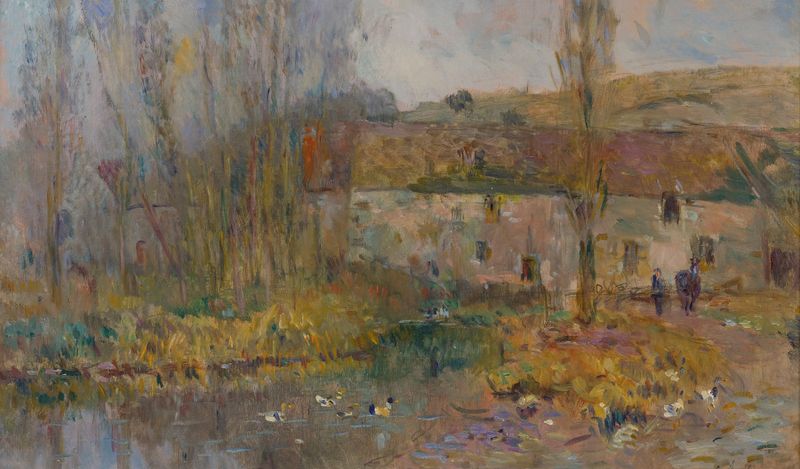
Moulin En Normandie
Albert Lebourg





