
Notre-Dame vue de la place de l’Hôtel de Ville, par temps de neige — History & Facts
Who listens when art speaks of silence? In Notre-Dame vue de la place de l’Hôtel de Ville, par temps de neige, the stillness of falling snow envelops a majestic cathedral, whispering secrets of betrayal hidden beneath layers of white. Start by looking to the center, where the iconic silhouette of Notre-Dame rises against an ethereal backdrop. Notice the delicate interplay of shades; the icy blues and grays lend an air of serenity, while warmer tones peek through, hinting at the warmth of life within. The artist’s brushstrokes capture the soft accumulation of snowflakes on the rooftops and ancient stone, evoking a sense of quiet reverence.
The composition draws the eye upward, leading the viewer into the heart of the scene, while the empty square conveys an unsettling void, leaving only the cathedral to bear witness. Beneath the tranquil surface lies an underlying tension. The starkness of the scene suggests a chilling isolation, as if the cathedral, despite its grandeur, stands alone amidst a world steeped in betrayal and loss. The snow, while beautiful, also serves as a metaphor for the quiet erasure of history, preserving memories that may never again be uncovered.
The contrast between the enduring architecture and the fleeting snowfall invites reflection on mortality and the passage of time. In 1930, Henry Malfroy painted this work while living in a period marked by artistic transition and societal change. In the aftermath of World War I, the quest for clarity and meaning in art was paramount. The artist sought to capture not only the beauty but also the emotional weight of his surroundings, as cities like Paris grappled with the scars of the past and the hope for renewal.
This painting stands as a testament to that time, merging the historical significance of Notre-Dame with the intimate whispers of a snowy day.
More Artworks by Henry Malfroy
Browse all →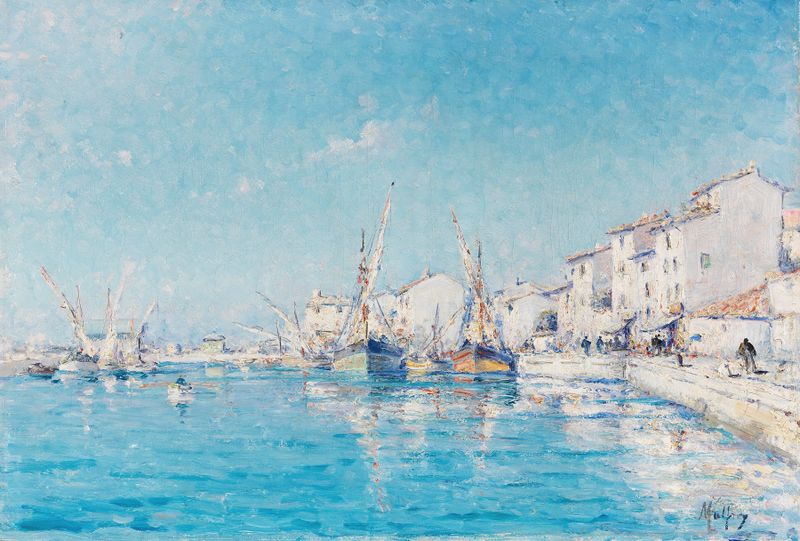
The southern French fishing port of Martigues
Henry Malfroy
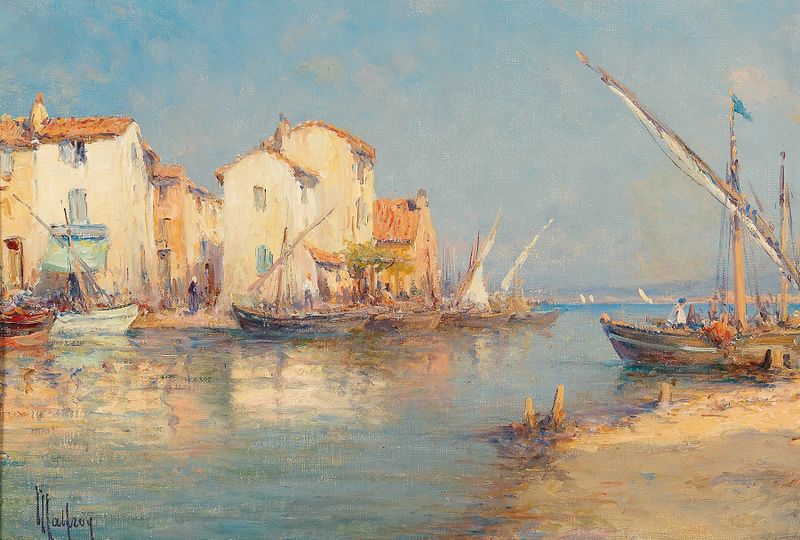
Motif Of Martigues
Henry Malfroy
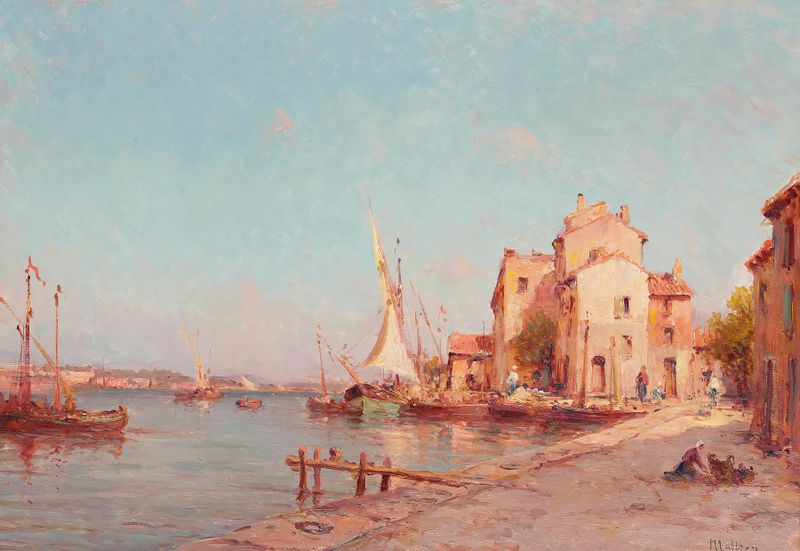
A quay on the French riviera
Henry Malfroy
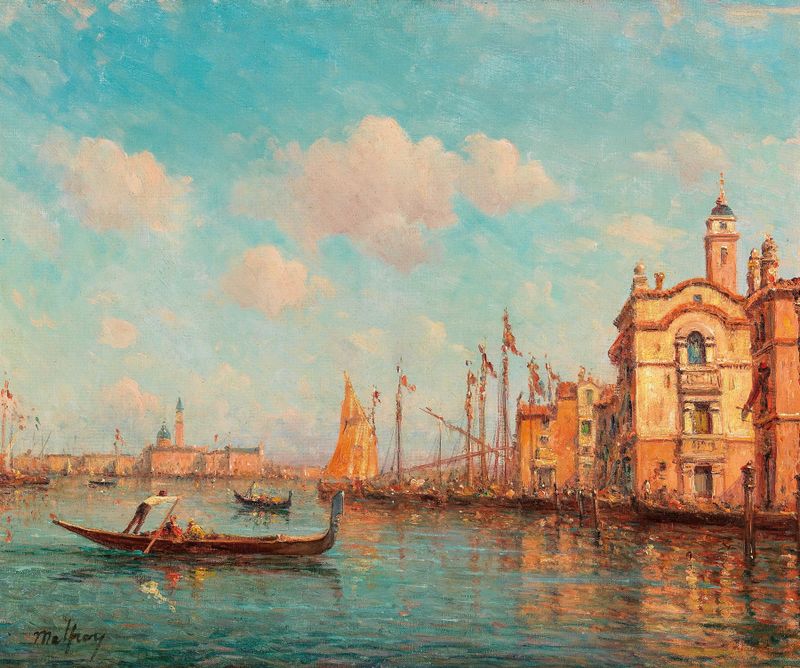
Venice, a View to San Giorgio Maggiore
Henry Malfroy

Place De La Madeleine, Paris
Henry Malfroy
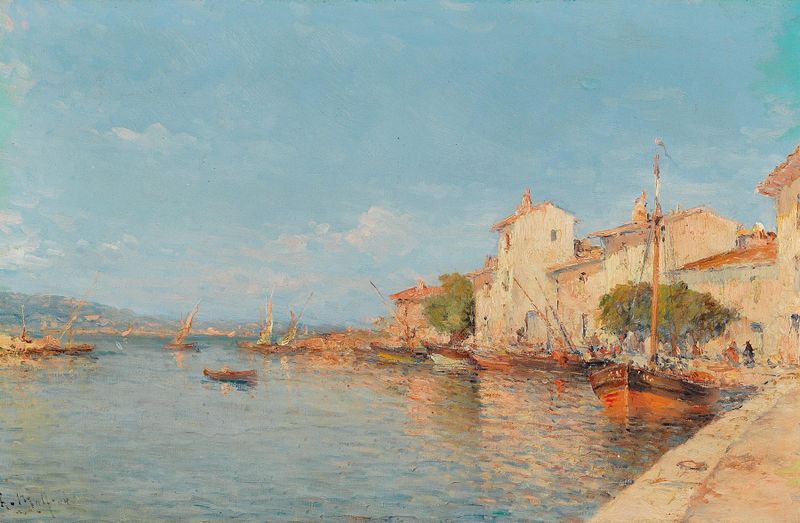
View of a Harbour in Summer
Henry Malfroy
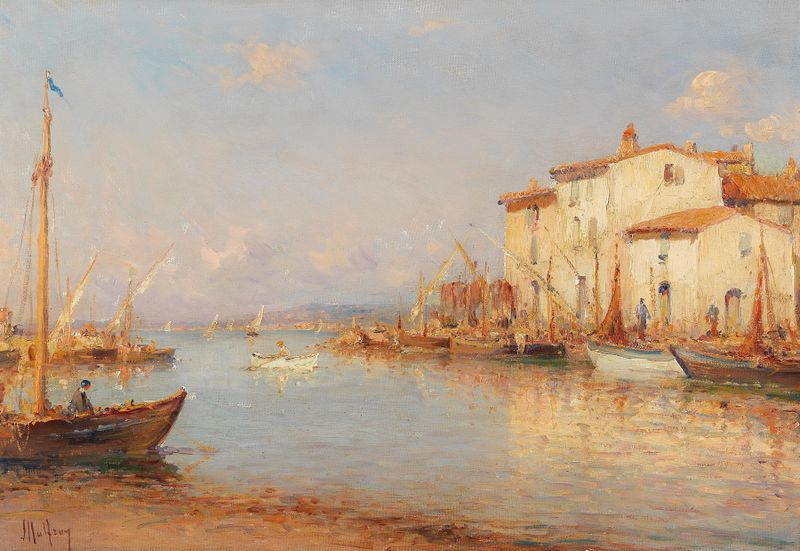
A View of a Southern Harbour
Henry Malfroy
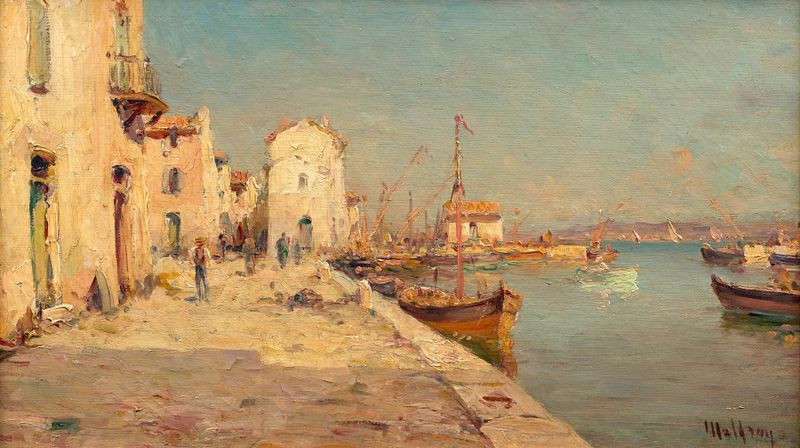
Vue du port de Martigues
Henry Malfroy
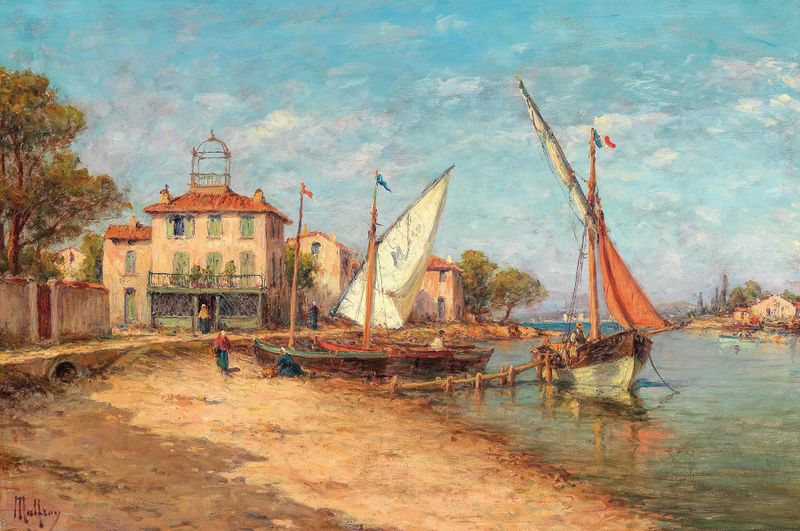
Les Sablettes pres Touloun
Henry Malfroy
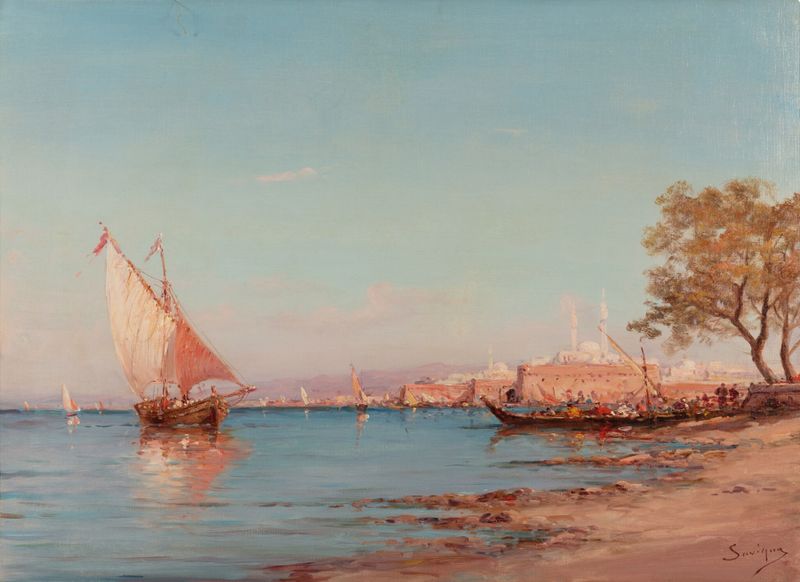
Bosphorus shores
Henry Malfroy
More Architecture Art
Browse all →
The statue of Liberty
Frédéric Auguste Bartholdi

View of Houses in Delft, Known as ‘The Little Street’
Johannes Vermeer

View of Houses in Delft, Known as ‘The Little Street’
Johannes Vermeer

The Cathedral in Rouen. The portal, Grey Weather
Claude Monet

The yellow house
Vincent van Gogh

The Church in Auvers-sur-Oise, View from the Chevet
Vincent van Gogh