
Novozámocká kalvária — History & Facts
What if silence could speak through light? In the stillness of dawn, it whispers of awakening, capturing moments both fleeting and eternal. Focus your gaze on the soft interplay of light and shadow in Novozámocká kalvária. The gentle hues of pastel blue and warm gold create a serene atmosphere, inviting contemplation. Notice how the light falls upon the figures, casting elongated shadows that seem to stretch into the viewer’s space, bridging the gap between the painting and reality.
The composition is meticulously arranged, leading the eye through a path of gentle curves and lines, each element harmoniously coexisting, fostering a sense of peace. Delve deeper into the emotional landscape of the piece. The stillness is palpable, yet a tension simmers beneath the surface; the figures, though serene, carry an air of contemplation that suggests an underlying struggle or yearning. The juxtaposition of darkness and light not only illuminates the physical scene but also evokes the complexity of the human experience—moments of clarity intertwined with uncertainty.
Each detail, from the delicate brushwork to the subtle color transitions, speaks to the theme of spiritual awakening, beckoning viewers to reflect on their own journeys. In 1908, when this work was created, Gejza Kukán was deeply engaged in exploring themes of spirituality and nature during his time in Slovakia. The early 20th century was a period of significant artistic exploration, with a growing emphasis on personal expression. As he painted, the world around him was shifting, and his work emerged as a response to both the beauty of the natural landscape and the introspective nature of human existence.
More Artworks by Gejza Kukán
Browse all →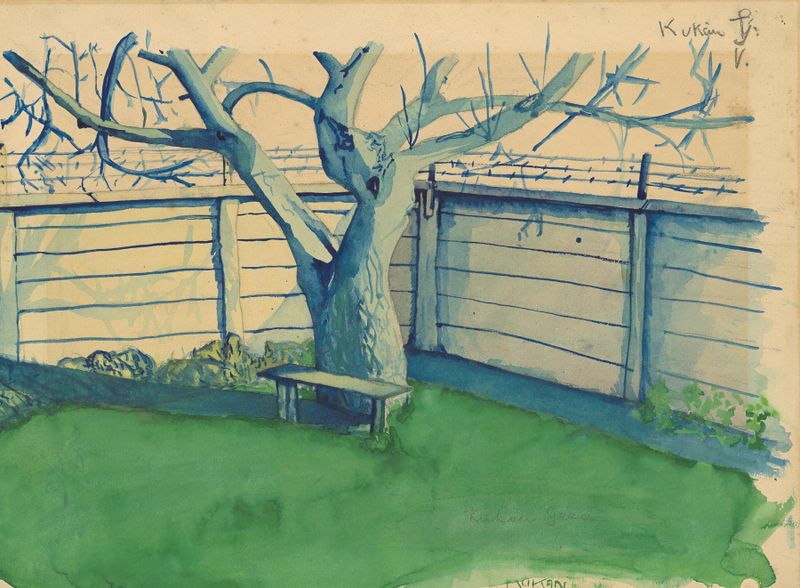
More Religious Art
Browse all →
The Return of the Prodigal Son
Rembrandt van Rijn

The Garden of Earthly Delights
El Bosco

Count Orgaz’ funeral
El Greco

The Hundred Guilder Print: the central piece with Christ preaching, the plate arched
Rembrandt van Rijn

The Descent from the Cross
Rogier van der Weyden

The return of the prodigal son
Rembrandt van Rijn