Oak Tree — History & Facts
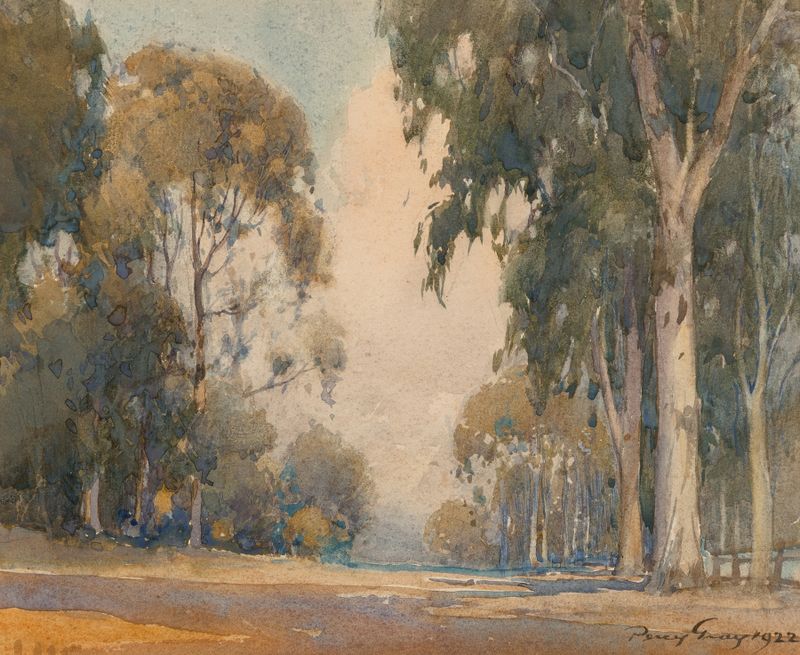
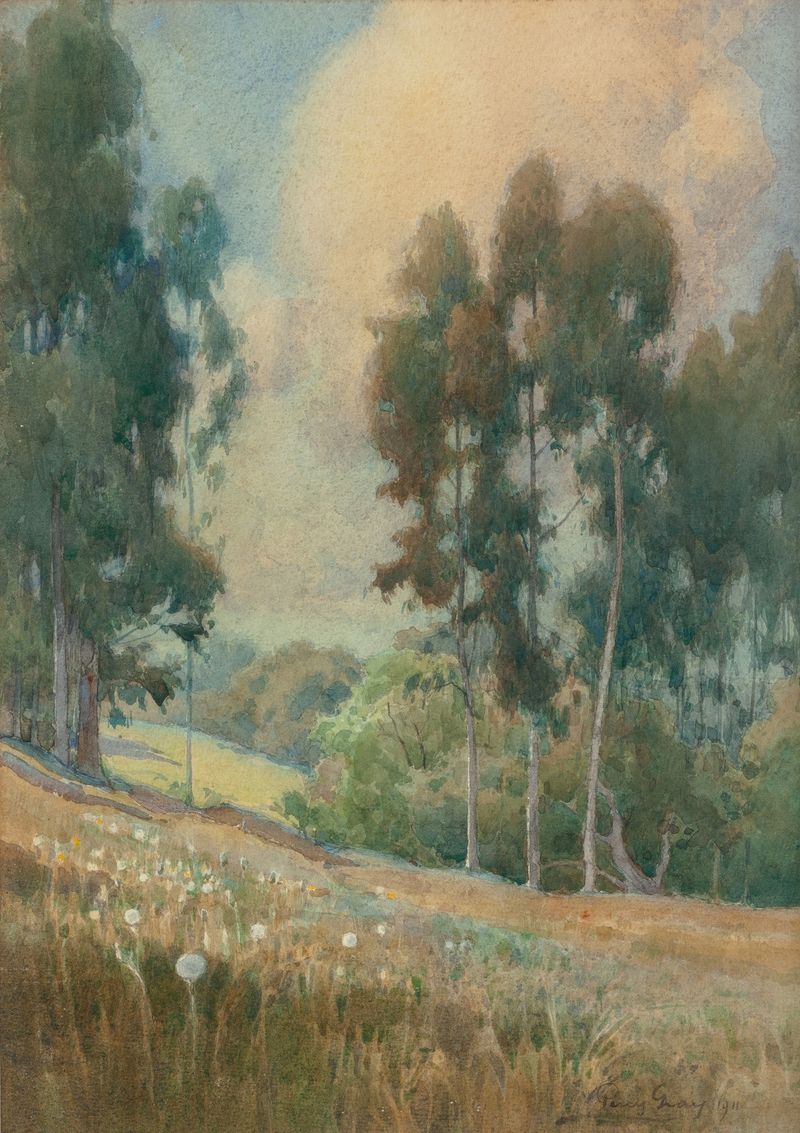
When did color learn to lie? In Oak Tree, vivid hues betray the serene façade of nature, whispering secrets of a world teetering on the brink of madness. Look to the foreground, where the gnarled branches twist and turn, weighted with vibrant greens and earthy browns. Notice how the light filters through the leaves, casting dappled patterns upon the ground, and drawing your gaze towards the tree’s robust trunk, both a sanctuary and a prison. The colors are lush yet unnerving, a paradox where vitality hints at decay, inviting contemplation rather than comfort. Delve deeper into the textures of the bark, where subtle brushstrokes evoke a sense of anxiety lurking beneath the surface.
Here, the interplay between shadow and light creates a tension that mirrors the complexities of existence, illustrating a struggle between life and stillness. This duality becomes more pronounced with the hints of warm tones, suggesting a warmth that feels almost feverish, as if nature itself is caught in a moment of existential crisis. In 1910, Percy Gray painted Oak Tree during a time of artistic exploration, as movements like Impressionism and Post-Impressionism began to unravel traditional forms. Living in California, Gray was influenced by the unique light and landscapes of the West, a setting that both invigorated and challenged his interpretation of nature.
As he navigated his own artistic journey, the painting emerged as a reflection of his inner turmoil, capturing the madness that can dwell within beauty.