
Ober-Lahnstein — History & Facts
Could a single brushstroke hold eternity? In Ober-Lahnstein, the viewer is invited into a world where the tranquil embrace of nature contrasts with the fleeting passage of time. Look to the left at the soft riverbank, where gentle waves lap against the rocky shore, creating a rhythm that suggests both calm and continuity. Notice how the artist masterfully captures the light reflecting off the water, its shimmering surface punctuated by strokes of blue and silver that dance under a serene sky. The composition balances the foreground with lush greenery, leading the eye toward the distant hills, which linger in a hazy embrace of muted tones, forming a harmonious blend of color and texture. Beneath this picturesque scene lies a quiet tension between stillness and change.
The soft clouds drifting above hint at the transient nature of the day, while the steadfast mountains embody permanence. This juxtaposition invites contemplation of life’s moments — ephemeral yet significant, suggesting that beauty thrives in both the fleeting and the enduring. The subtle brushwork speaks to a deeper stillness, urging viewers to find peace amid the chaos of existence. Edmund Foerster created this work in 1872, a time when romanticism was giving way to a new appreciation for realism in art.
Living in Germany, he was influenced by the burgeoning interest in capturing the beauty of landscapes as a reflection of personal and collective experience. This piece resonates with the era’s exploration of nature, evoking not only aesthetic pleasure but also a deeper philosophical questioning of life’s transient joys.
More Artworks by Edmund Foerster & Co.
Browse all →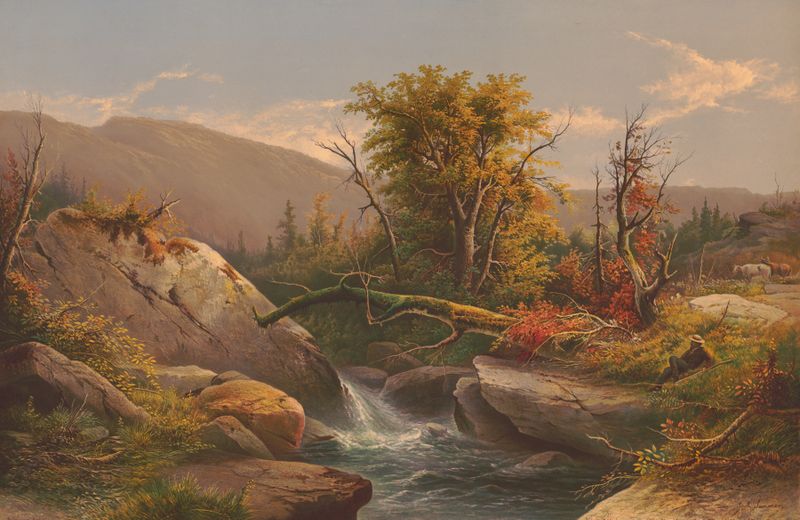
Autumn in the Catskill Mountains
Edmund Foerster & Co.

Bridal Veil Falls
Edmund Foerster & Co.

Castle Landeck
Edmund Foerster & Co.

Andernach a Rhein
Edmund Foerster & Co.

Morning in the Adirondacks
Edmund Foerster & Co.

West Point
Edmund Foerster & Co.
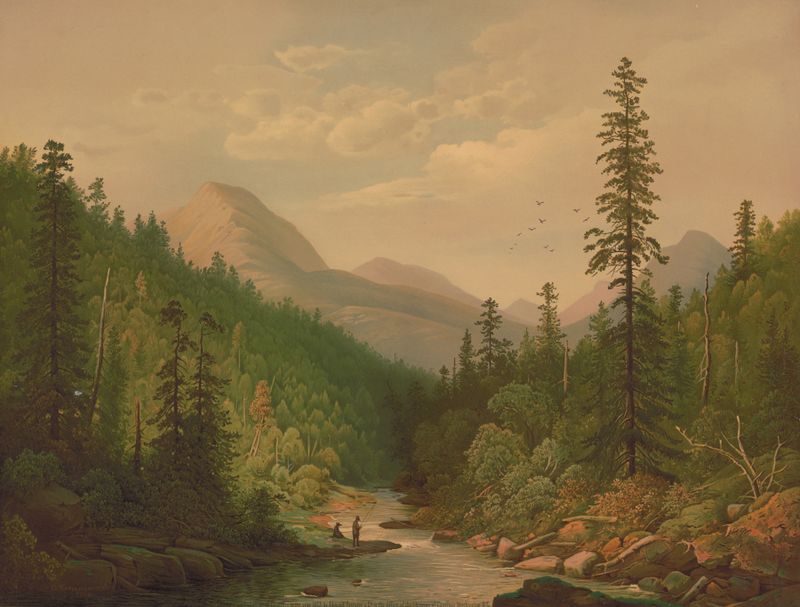
Wilderness scene with two people fishing in a river
Edmund Foerster & Co.

Beverly Dock, opposite West Point on the Hudson River
Edmund Foerster & Co.
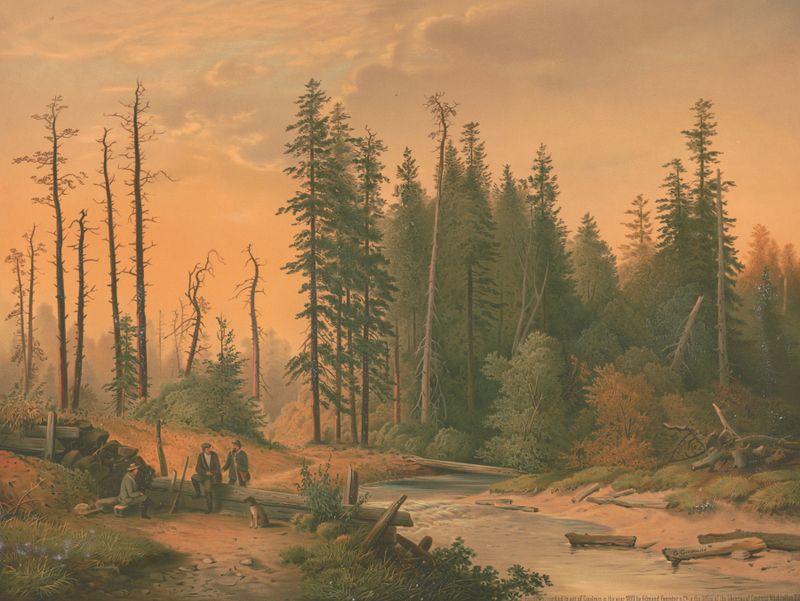
Tobyhanna Creek
Edmund Foerster & Co.

Cathedral Rocks (California)
Edmund Foerster & Co.





