
Oksaal (koorafscheiding), afkomstig uit de kerk te Helvoirt — History & Facts
In the poignant brushstrokes of this artwork, the essence of grief lingers, inviting us to confront our own losses. Each meticulously rendered detail serves as a silent testament to the passage of time and the echoes of sorrow embedded in memory. Look closely at the intricate carvings, particularly the figures that seem caught between moments of contemplation and lament. The somber colors of dark wood juxtapose with intermittent highlights, guiding your gaze toward the expressions of those portrayed—each face a canvas of unspoken emotions.
Notice how the delicate forms emerge from the shadows, suggesting a struggle to remain present while grappling with absence. This dynamic interplay of light and texture creates an almost tactile experience, drawing you deeper into the narrative of remembrance. Within this artwork lies a tapestry of emotional tensions, reflecting both the collective and personal aspects of grief. The figures are not merely static; their positions hint at relationships strained by loss, while the surrounding motifs evoke a sense of time's relentless march.
The artist’s choice to embrace somber tones juxtaposed with fleeting hints of warmth speaks to the complexity of mourning—where joy and sorrow coexist in a delicate balance. Each detail resonates with the viewer, fostering a quiet understanding of the weight of shared human experiences. Created around 1500 in a church setting, this piece reflects the broader trends of late medieval art, where the emphasis on emotion began to shift from the divine to the deeply personal. The unknown artist, working in an era marked by societal upheavals and spiritual introspection, likely sought to capture these sentiments within a sacred space.
It serves both as a memorial and a reminder of the enduring nature of grief across the ages.
More Artworks by Unknown Artist
Browse all →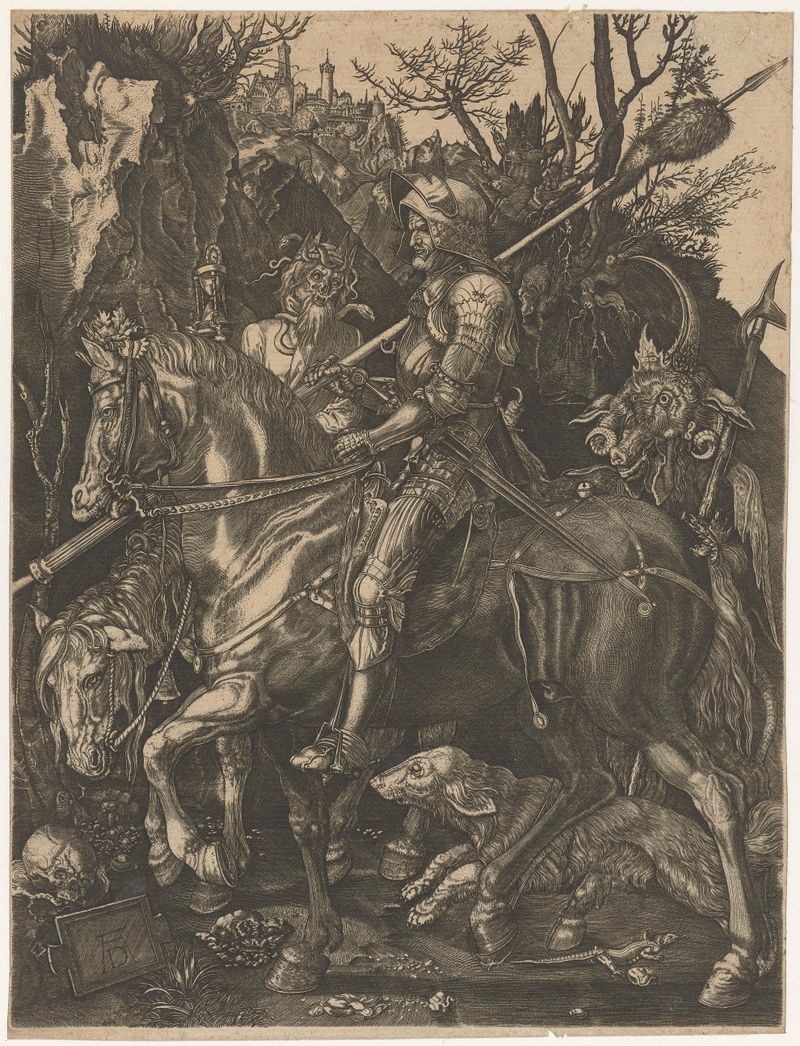
Ridder, Dood en Duivel
Unknown Artist
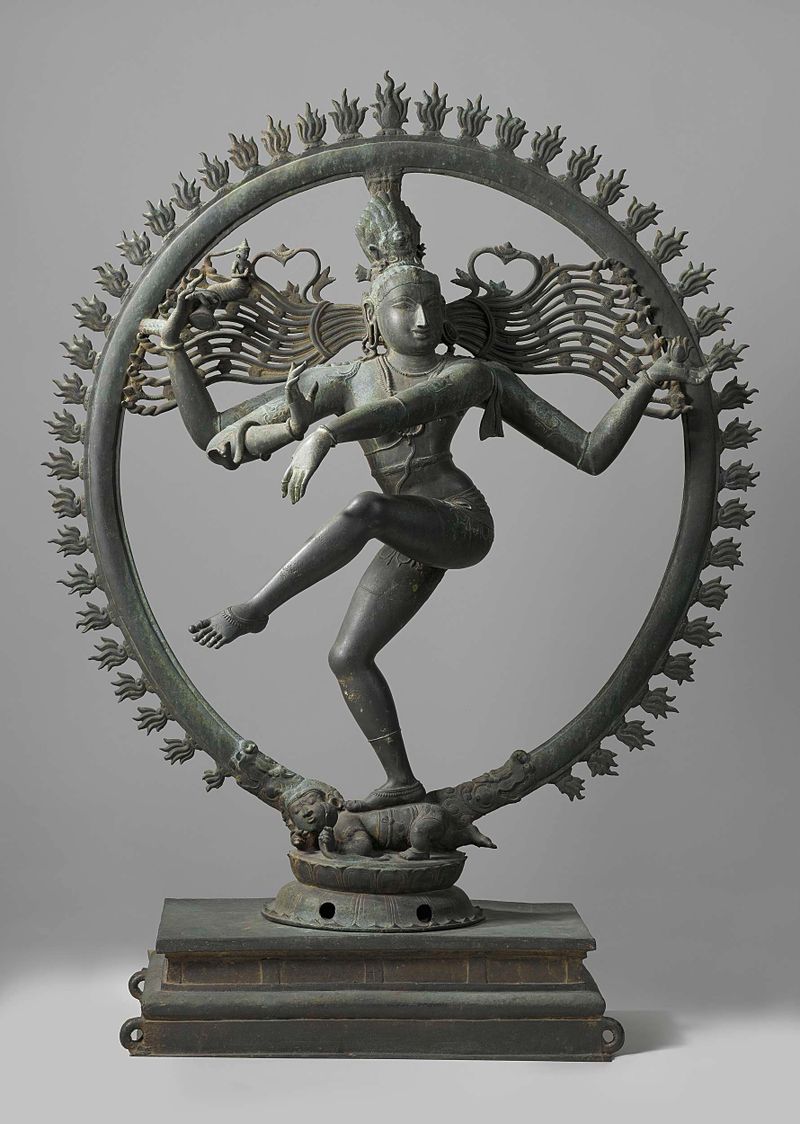
Shiva Nataraja
Unknown Artist
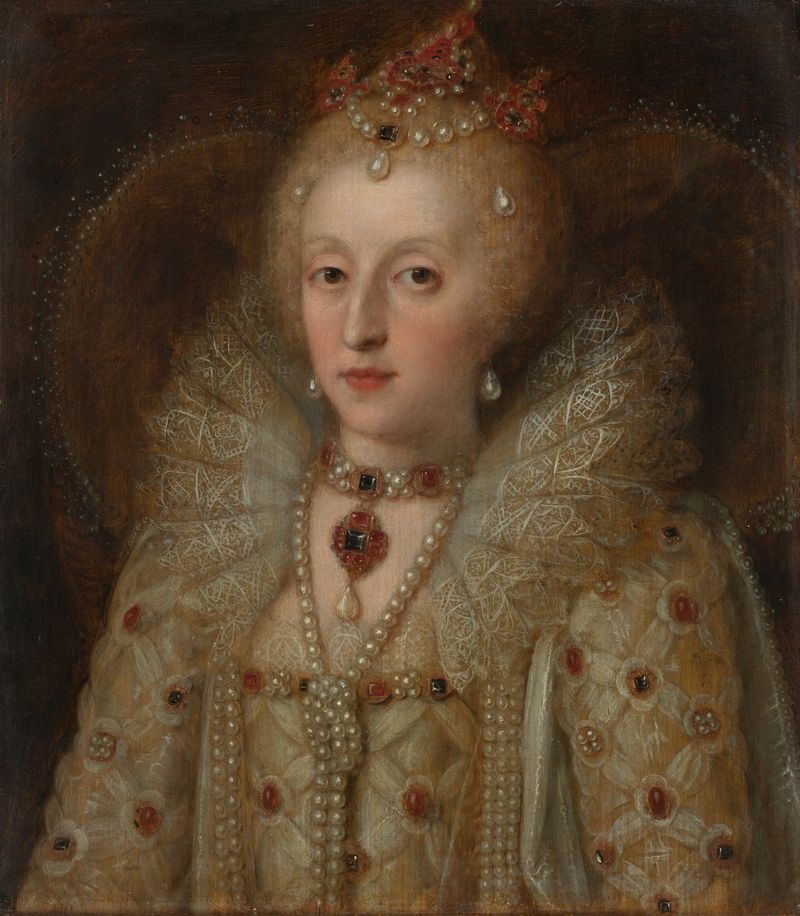
Portrait of Elizabeth I, Queen of England
Unknown Artist
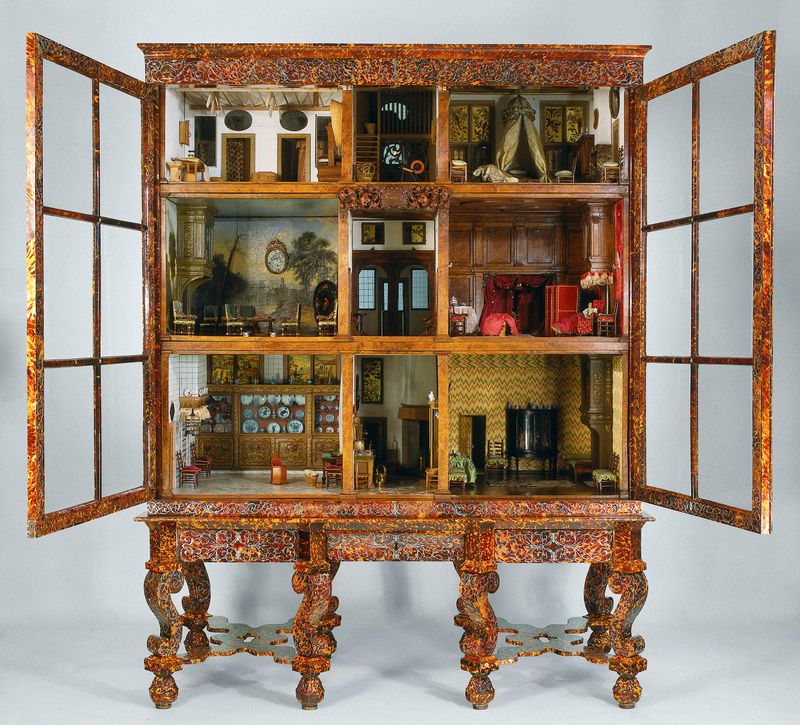
Dolls’ house of Petronella Oortman
Unknown Artist
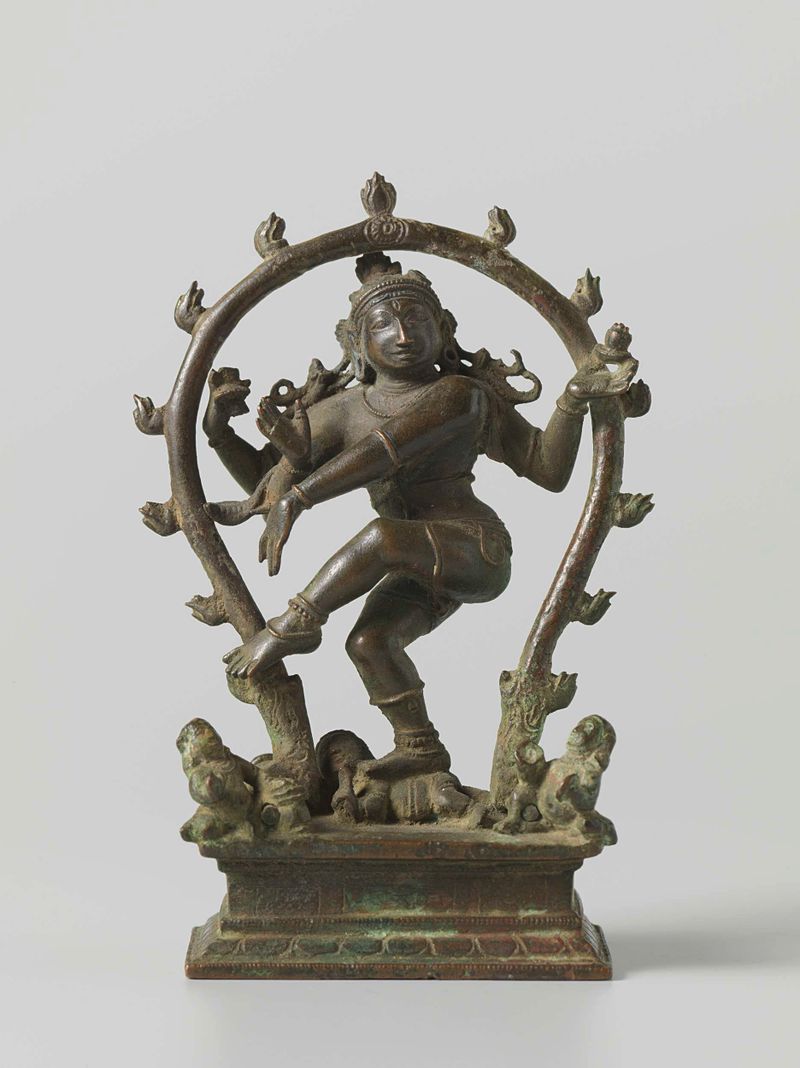
Shiva Nataraja
Unknown Artist

The Tale of Genji
Unknown Artist

The Tale of Genji
Unknown Artist
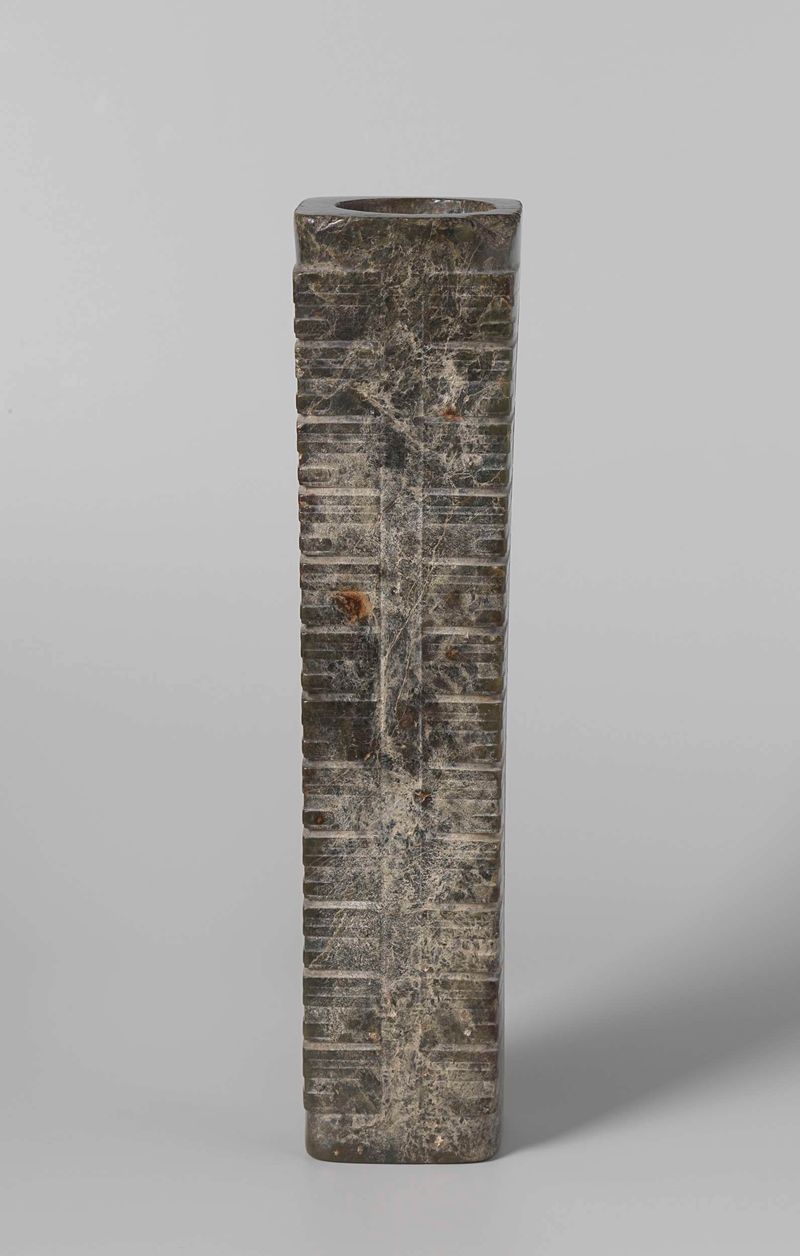
Cong
Unknown Artist
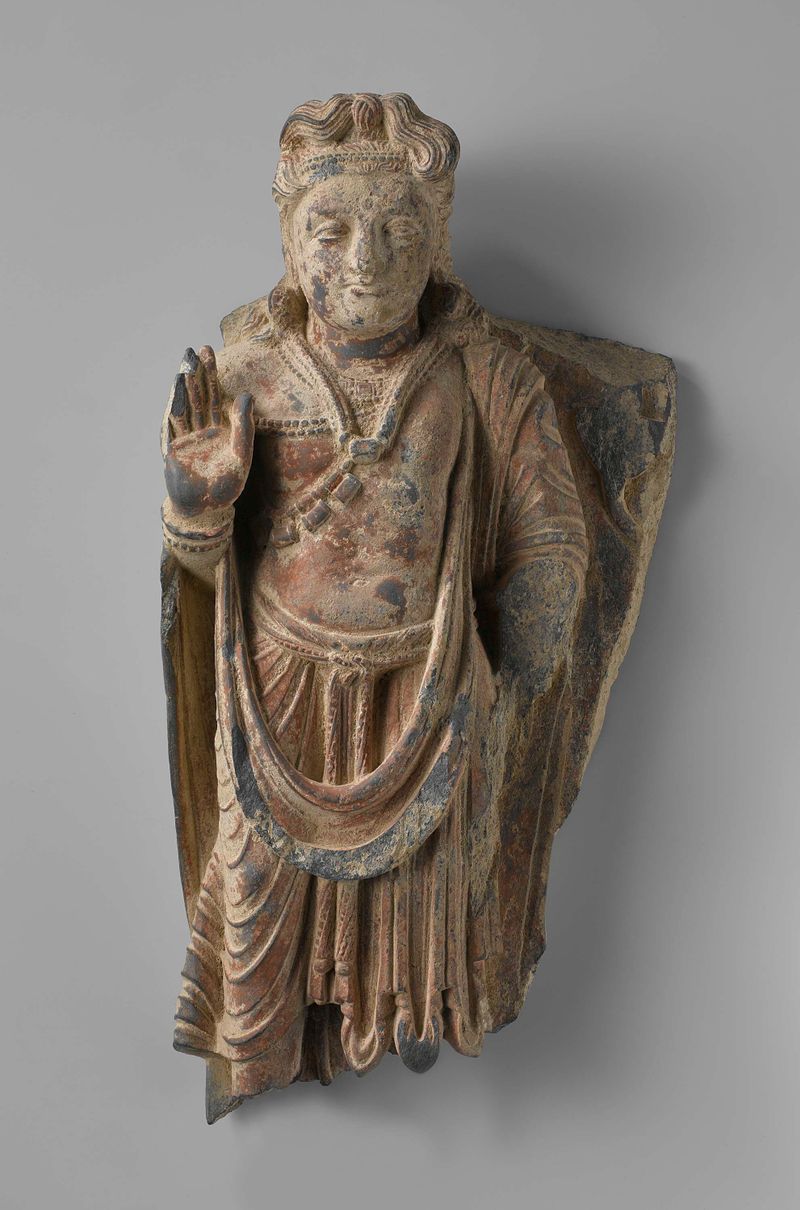
The bodhisattva Maitreya
Unknown Artist
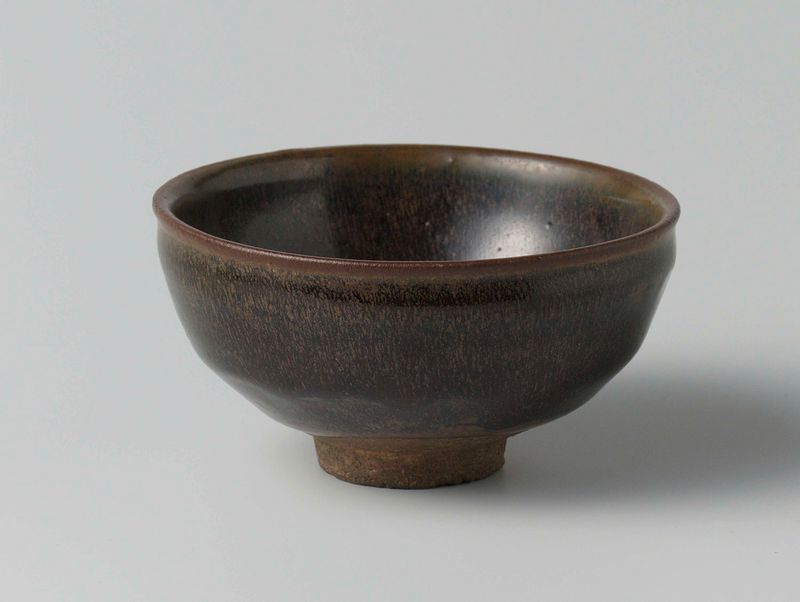
Teabowl with a 'hare's fur' glaze
Unknown Artist
More Religious Art
Browse all →
The Return of the Prodigal Son
Rembrandt van Rijn

The Garden of Earthly Delights
El Bosco

Count Orgaz’ funeral
El Greco

The Hundred Guilder Print: the central piece with Christ preaching, the plate arched
Rembrandt van Rijn

The Descent from the Cross
Rogier van der Weyden

The return of the prodigal son
Rembrandt van Rijn