Old priest and tea kettle. — History & Facts
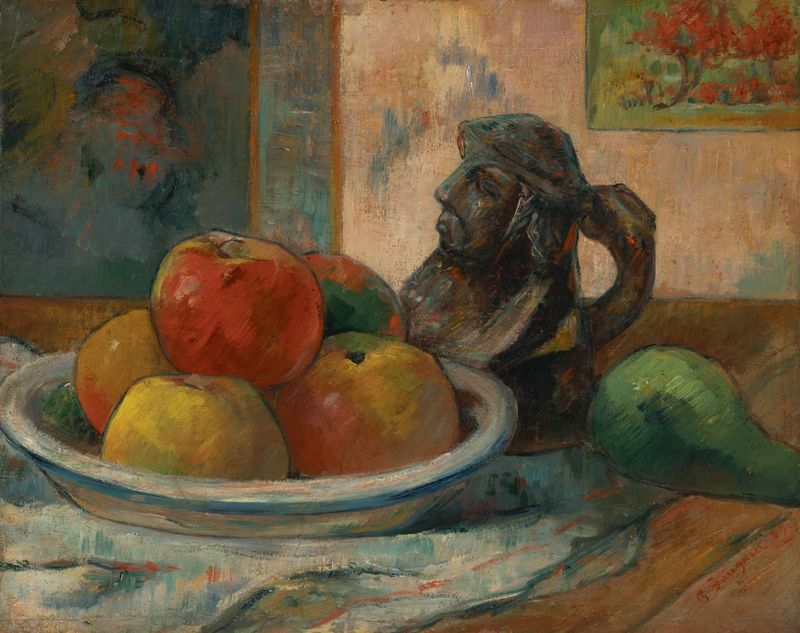
Is this a mirror — or a memory? Light weaves through the delicate stillness, drawing our gaze to the intimate harmony of objects that whisper of presence and absence. Look to the left at the old priest, his serene face captured in gentle brushstrokes that convey a weathered wisdom. Focus on the tea kettle, polished yet worn, reflecting soft light that dances across its surface, hinting at warmth and moments shared. Notice how the muted palette of greens and browns envelops the scene, evoking a sense of tranquility that invites contemplation. In his serene demeanor, there exists a juxtaposition of life’s fleeting nature against the permanence of the kettle — a vessel for both nourishment and memory.
The way the light refracts off the kettle's surface reveals not only its physical form but also the emotional weight it carries. Each stroke suggests a connection between the priest and the objects surrounding him, highlighting the interplay between solitude and companionship. Created in a time of introspection, the artist found solace in capturing everyday moments that resonate with deeper truths. Working in Japan's rich tradition of ink and wash painting, the artist embraced a style that sought to blend the spiritual with the mundane.
This period was marked by a growing appreciation for simplicity in life and art, reflecting a culture steeped in mindfulness and reverence for the past.