Olives before rain — History & Facts
In the quiet world of Olives before rain, the shadows whisper secrets, inviting contemplation and reflection. The dark shapes encroach upon the light, creating an atmosphere palpable with tension and unspoken narratives. Look to the center of the canvas, where a cluster of olives rests, their glossy surfaces glimmering like dark jewels. Notice how the artist’s brushwork captures the delicate sheen against a muted backdrop, allowing the olives to emerge as the focal point of a carefully constructed composition.
The gentle gradient of greens and browns surrounding them evokes both warmth and impending gloom, hinting at the rain that looms just beyond the painted horizon. Delve deeper into the interplay of light and shadow, as these elements become symbolic of the fragility of existence. Each olive, nestled in its shadow, represents a moment held in suspension, contrasting the richness of life with the inevitability of the storm. The looming clouds, though not physically present, create an emotional weight that suggests an imminent shift—perhaps a metaphor for change in both nature and the human experience. In 1933, Jan Bohuszewicz painted Olives before rain during a period marked by significant political and social upheaval in Europe.
Living in Poland, he was influenced by the tensions of his time, which resonated through his work. Engaging with the still life genre, he imbued everyday subjects with depth and complexity, reflecting both personal and universal uncertainties in an ever-changing world.
More Artworks by Jan Bohuszewicz
Browse all →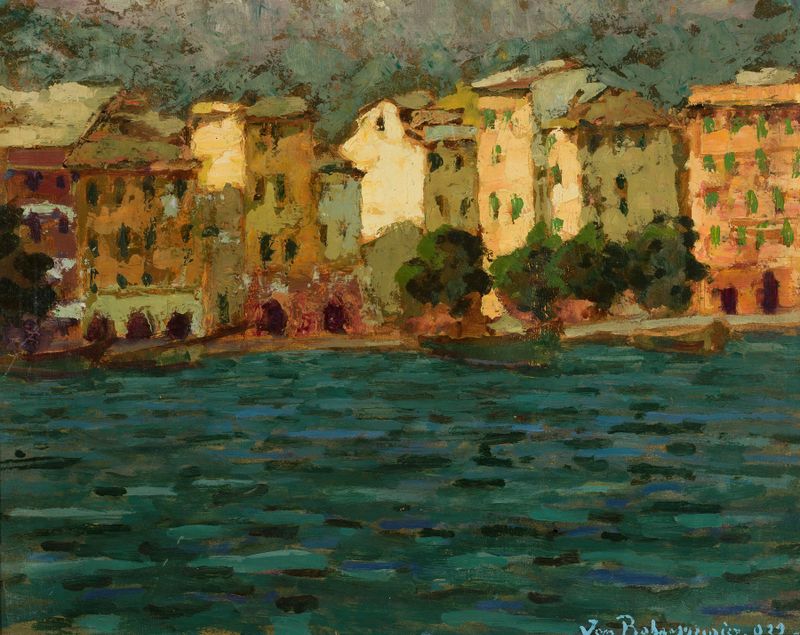
Port in the sunshine
Jan Bohuszewicz

Golden autumn
Jan Bohuszewicz

Larch Trees by the Lake in Dobiacco
Jan Bohuszewicz
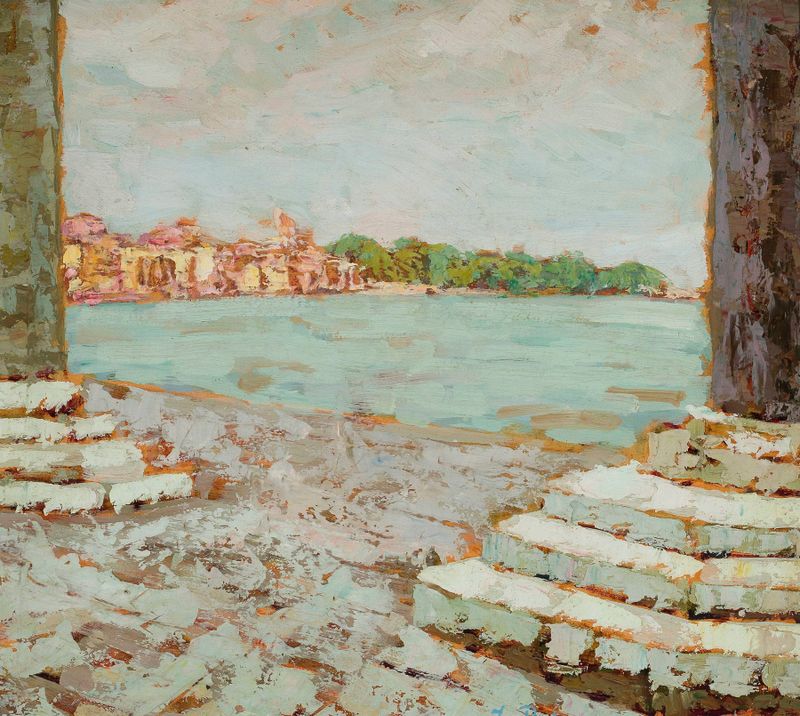
View from Piazzetta in Venice
Jan Bohuszewicz

Polish cottages
Jan Bohuszewicz
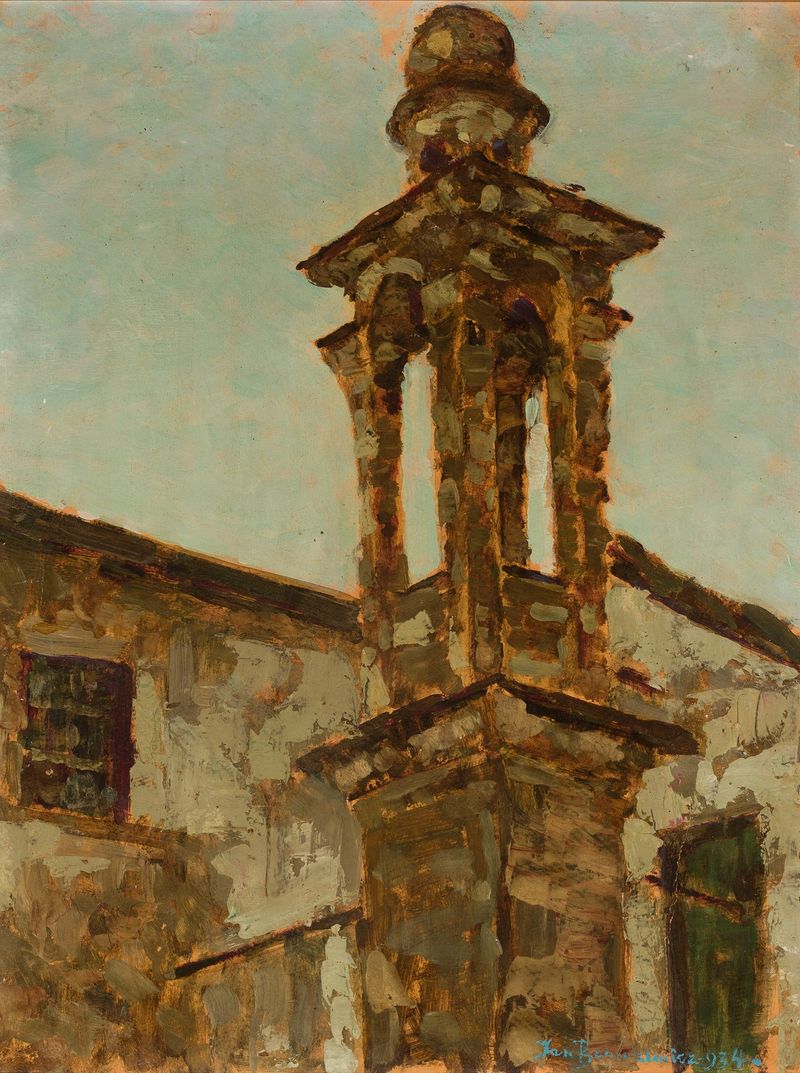
Old bell-tower
Jan Bohuszewicz
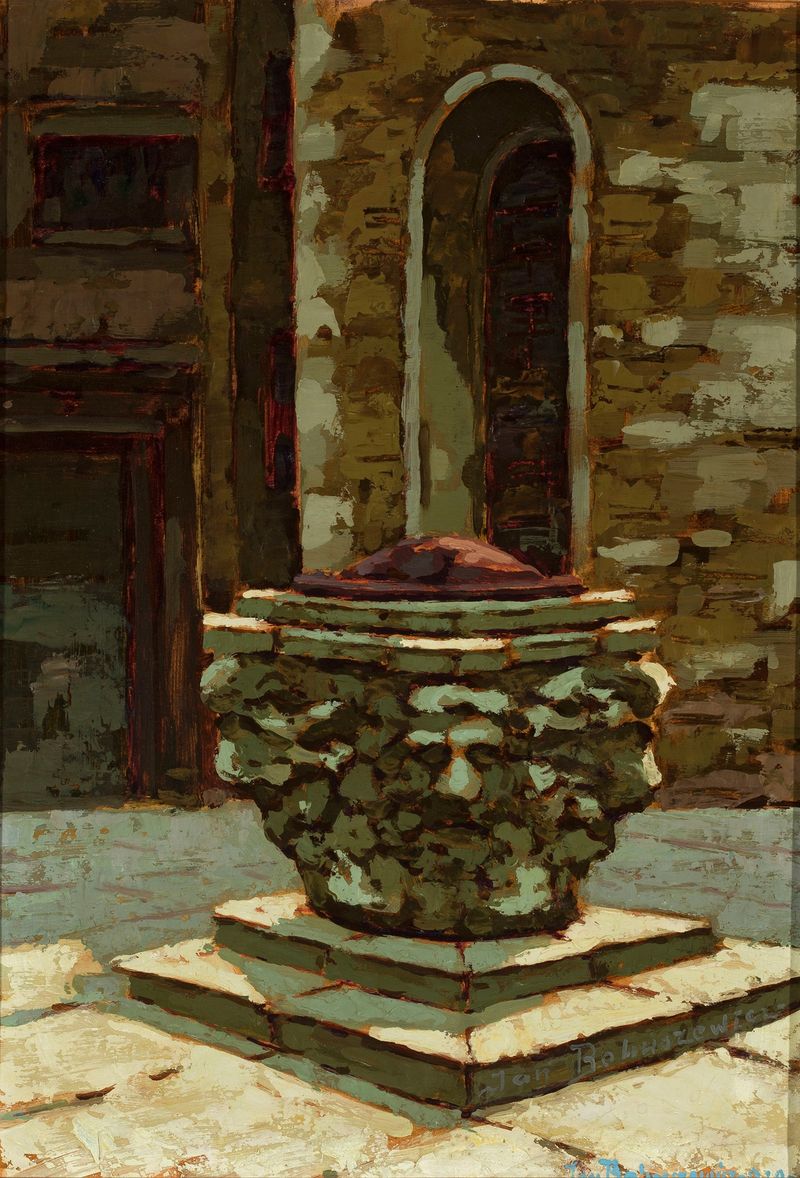
Small well in Venice in the sunshine
Jan Bohuszewicz
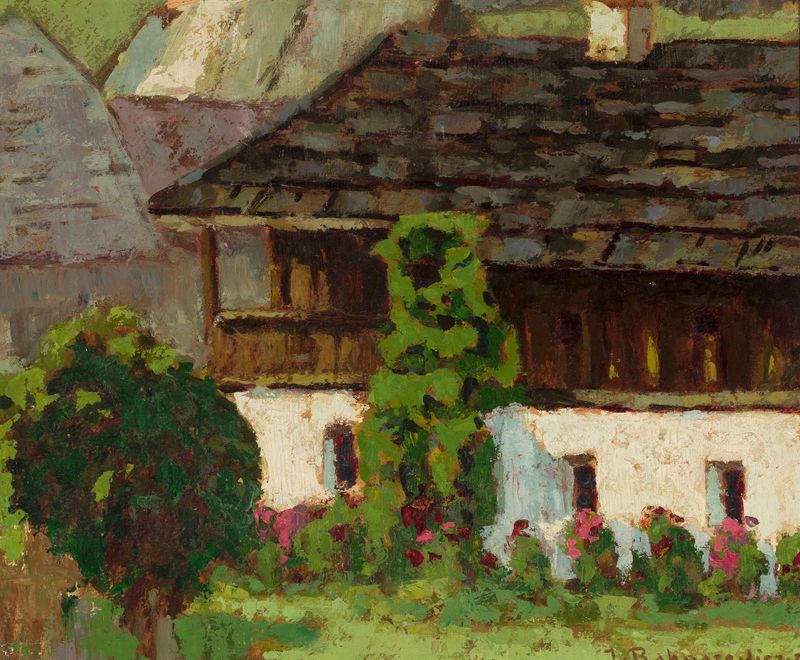
Old house with a porch
Jan Bohuszewicz

Shells
Jan Bohuszewicz
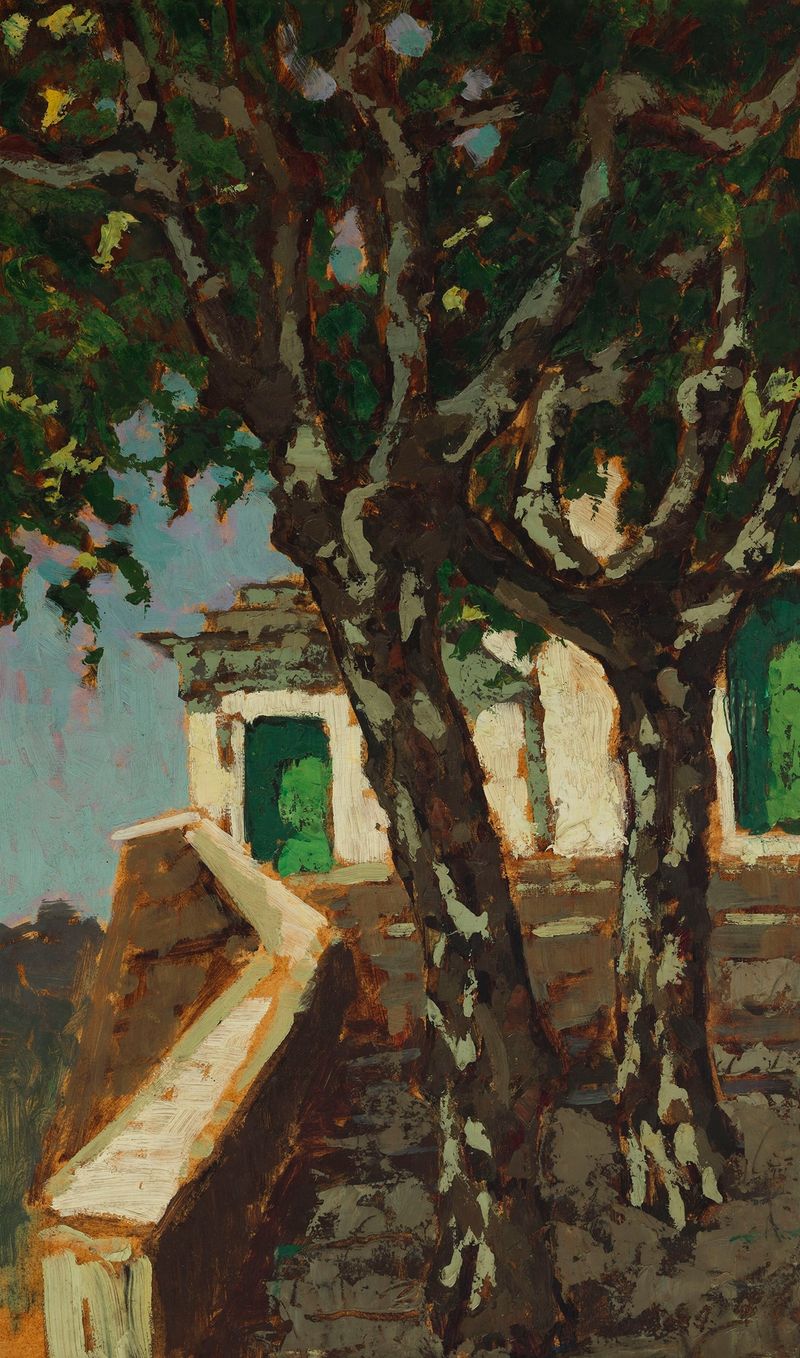
Platanus Trees at a Monastery Gate
Jan Bohuszewicz