On the Road Between Salerno and Eboli — History & Facts
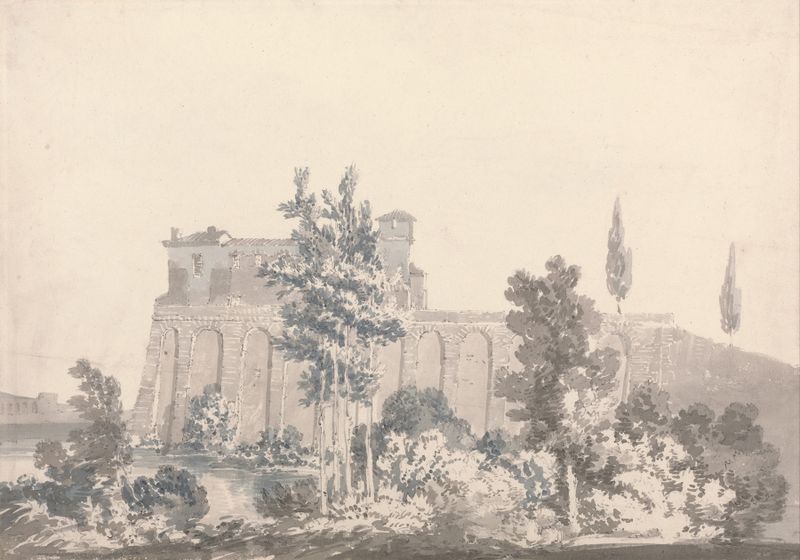
Where does light end, and longing begin? In the quiet yet charged atmosphere of a landscape, the boundary between tranquility and turmoil is drawn with a delicate brush. Look toward the horizon where the sun dips low, casting an ethereal glow over the undulating hills. The vibrant greens and muted earth tones blend seamlessly, inviting the viewer to trace the winding path that meanders through the scene. The brushwork evokes a sense of movement, as if the viewer could step into the painting and feel the gentle breeze whispering through the trees.
Pay attention to the way the light dances across the landscape, illuminating patches of foliage while leaving other areas cloaked in shadow, hinting at unseen stories lurking just beyond the canvas. In this composition, emotional tension arises from the juxtaposition of serene beauty and underlying violence. The path, though inviting, carries the weight of history and perhaps even conflict, suggesting a journey fraught with uncertainty. The play of light and shadow serves as a metaphor for the duality of existence—where hope intermingles with fear, and peace is always at the mercy of the unseen.
Each element within the painting becomes a vessel for longing, reminding us that the journey is not only physical but deeply emotional. Created during a time when the world of art was undergoing profound changes, this work emerged from the Monro School, an English painting movement known for its focus on landscapes. Though the specific date remains uncertain, the influence of post-impressionistic techniques is evident, reflecting both the struggles and aspirations of the era. It represents a moment where artists sought to capture the ephemeral beauty of nature while grappling with the societal upheavals of their time.