Oosters tapijt — History & Facts
Can beauty exist without sorrow? The delicate intricacies of an Eastern carpet whisper stories of loss, weaving together threads of joy and melancholy in their vibrant patterns. Look closely at the rich tapestry, where colorful motifs dance across the surface. Notice how the interplay of reds, blues, and golds creates a striking contrast, drawing the eye to the center, where a blossom seems to emerge from a deeper darkness. The meticulous craftsmanship is a testament to the skill and devotion of its creator, the textures inviting touch even as they communicate the weight of memories bound within the fibers. Beneath the surface, we see a quiet narrative unfold.
Each intricate design may symbolize the passage of time, representing moments of beauty that inevitably slip into the past. The floral motifs, radiant yet fading, evoke the transient nature of life, suggesting that every joy carries with it an inherent sense of loss. The harmonious blend of colors reflects the complexity of human experience, where pleasure and grief coexist in an eternal dance. Created between 1800 and 1900, this piece emerges from a period rich in cultural exchange, as Eastern artistry began influencing Western aesthetics.
The unknown artist, working within the tradition of carpet weaving, contributed to a legacy that spoke to the heart of human emotion—a time when art became a vessel for expressing the depth of life’s fleeting beauty and inevitable sorrow.
More Artworks by Unknown Artist
Browse all →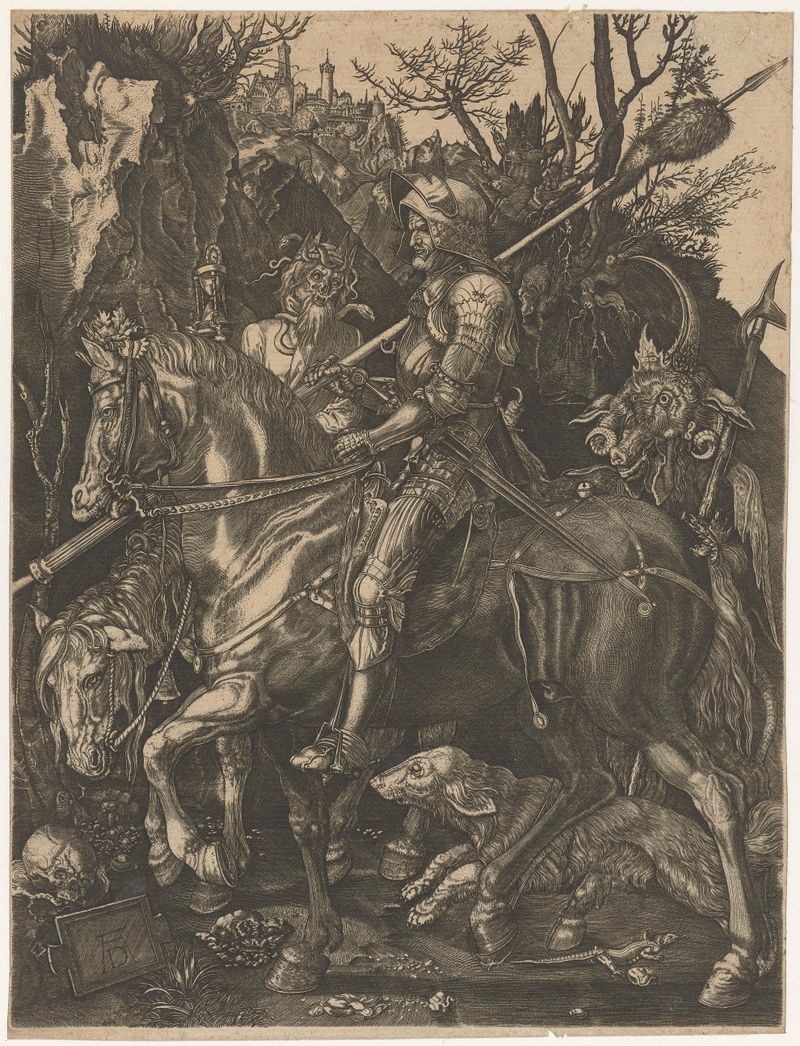
Ridder, Dood en Duivel
Unknown Artist
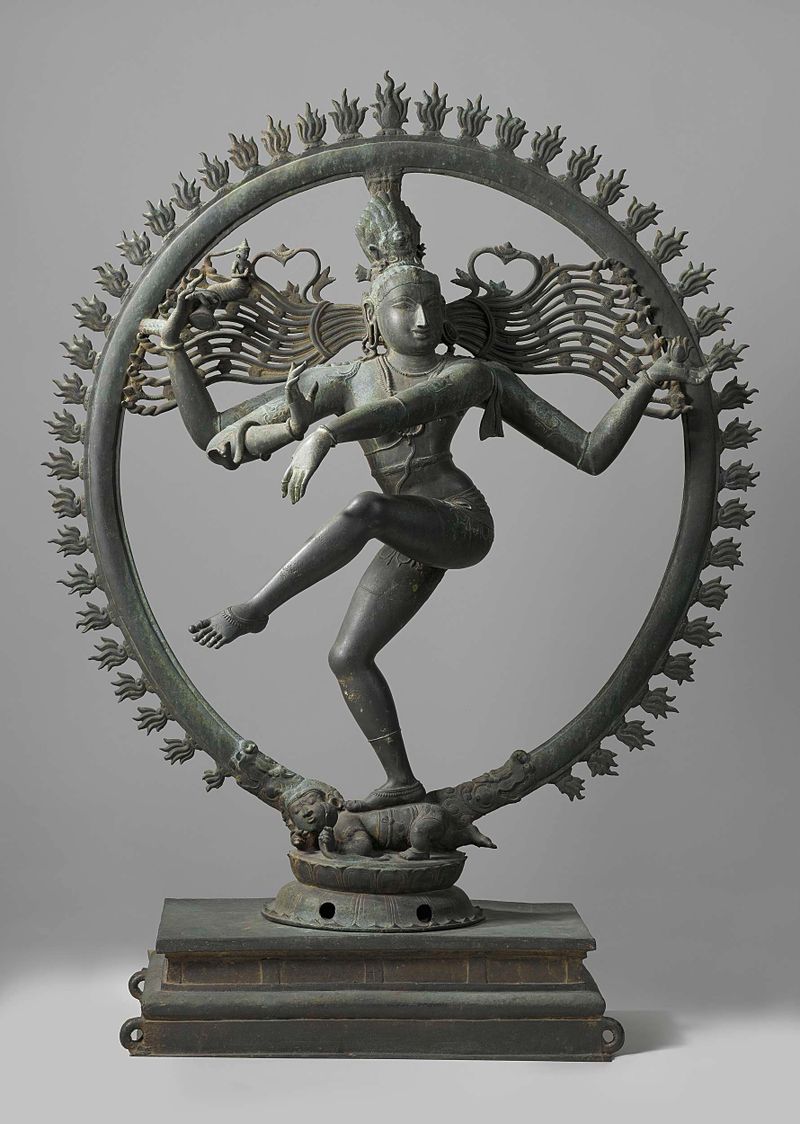
Shiva Nataraja
Unknown Artist
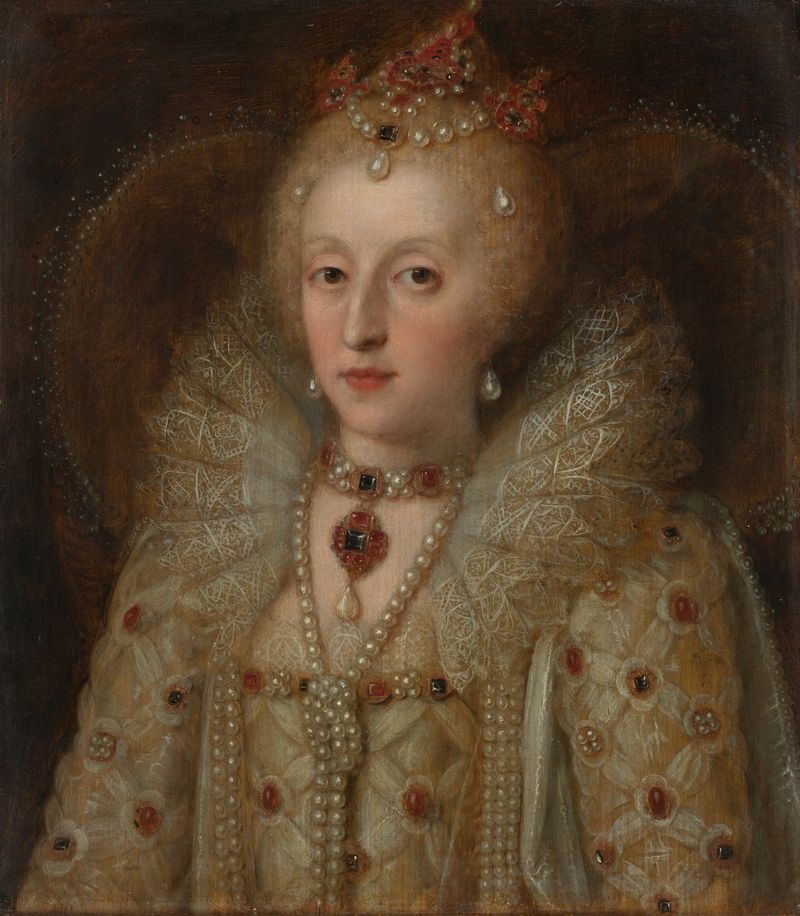
Portrait of Elizabeth I, Queen of England
Unknown Artist
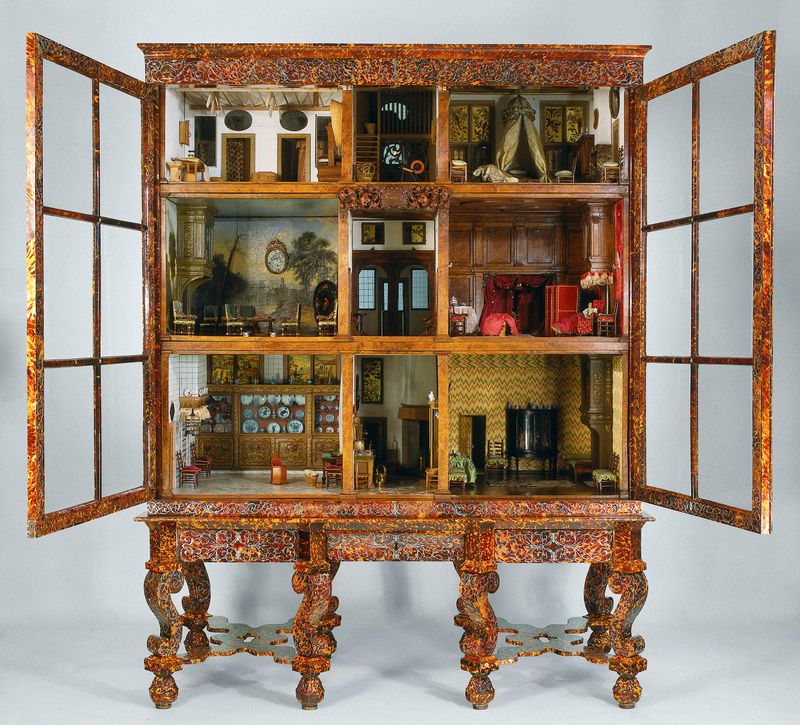
Dolls’ house of Petronella Oortman
Unknown Artist
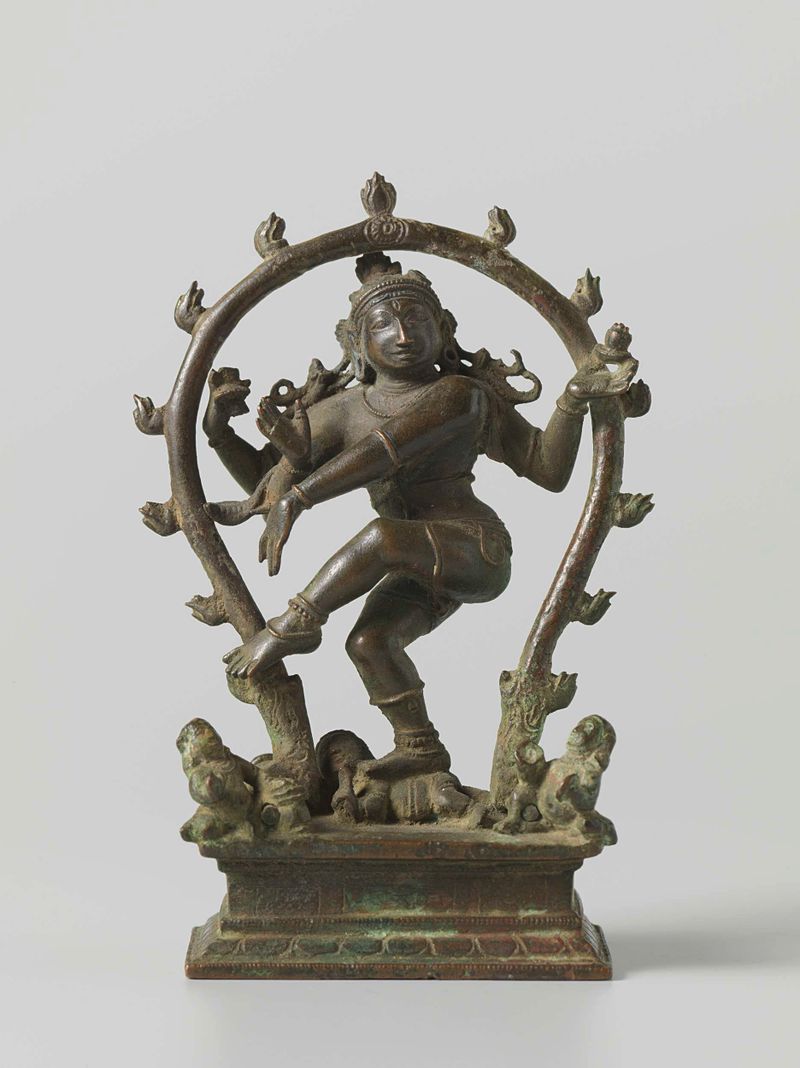
Shiva Nataraja
Unknown Artist

The Tale of Genji
Unknown Artist

The Tale of Genji
Unknown Artist
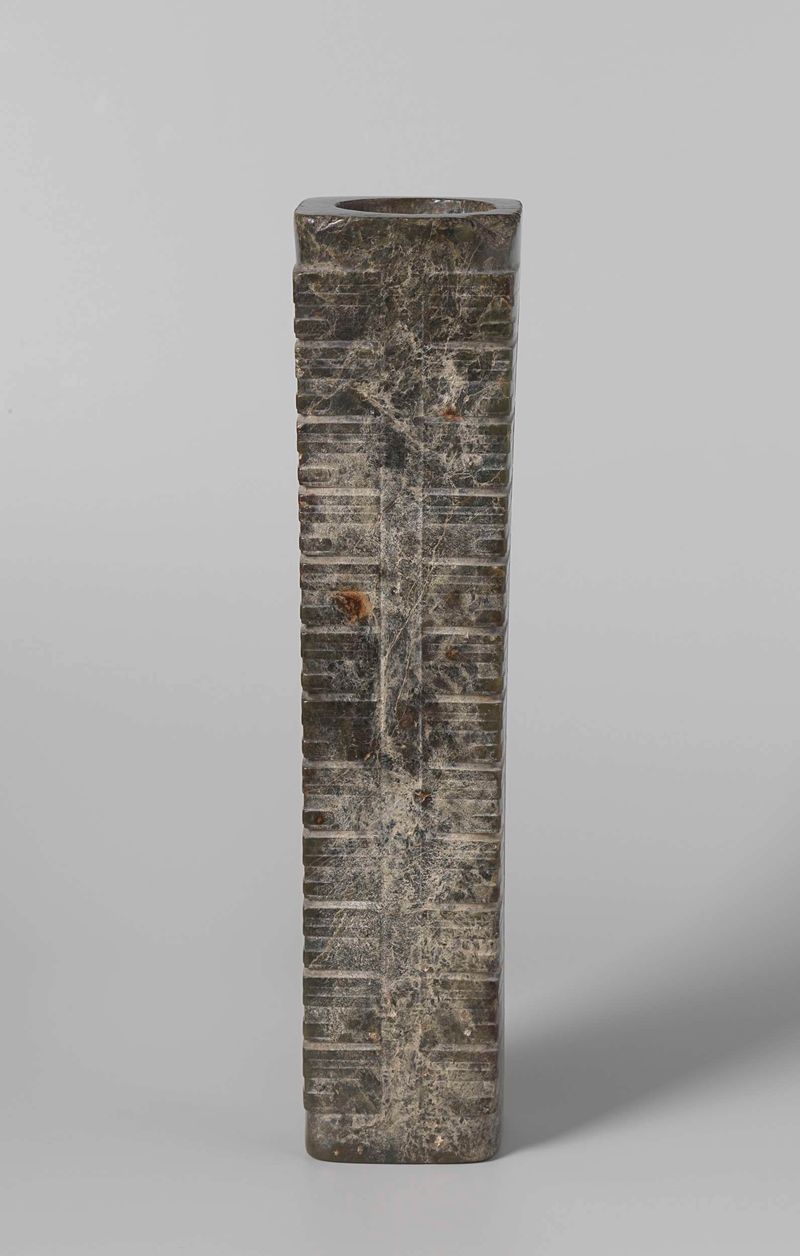
Cong
Unknown Artist
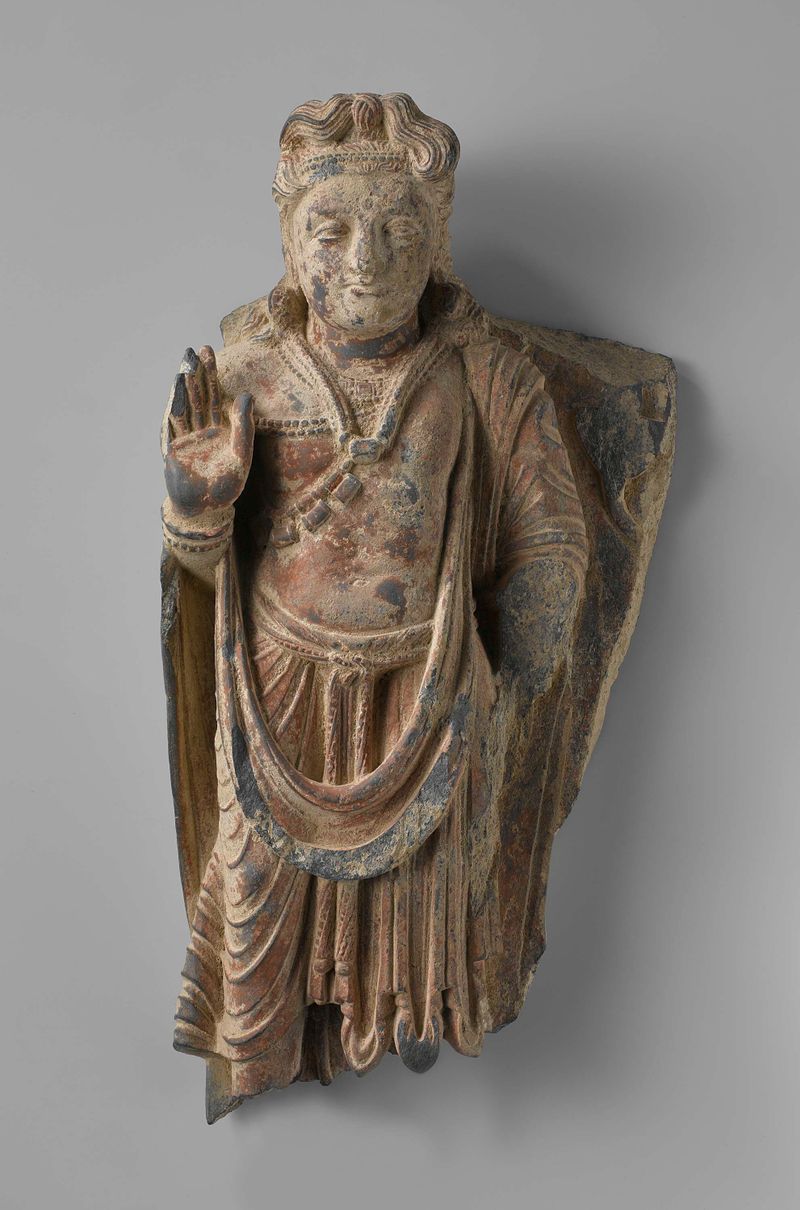
The bodhisattva Maitreya
Unknown Artist
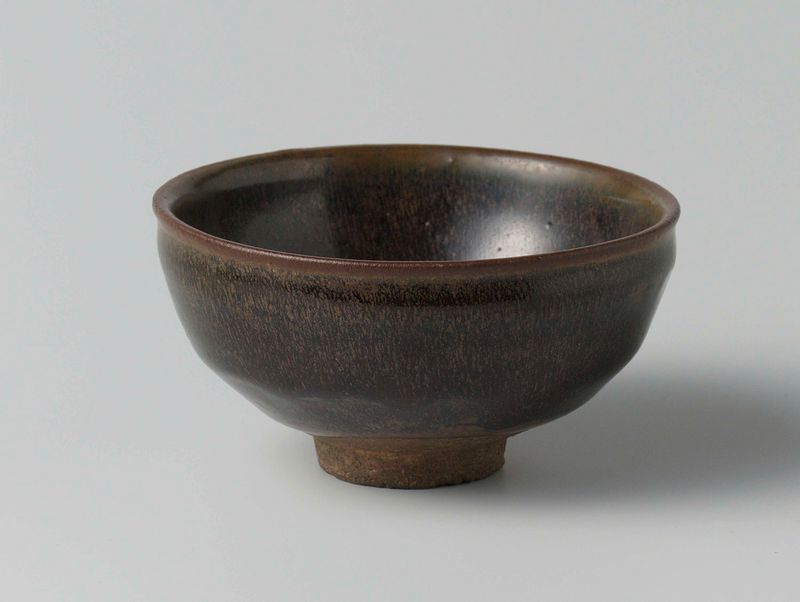
Teabowl with a 'hare's fur' glaze
Unknown Artist