Oosters tapijt — History & Facts
In the intricate weave of a tapestry, the delicate threads capture not just color and form, but the ephemeral nature of life itself. Look closely at the vibrant hues of the textile, where deep reds and rich blues intertwine, creating a rhythm that seems to pulse with history. Notice how the intricate patterns lead the eye through a labyrinth of motifs, each one a whisper of stories untold. The uneven edges juxtapose the perfection of the design, a subtle reminder of impermanence and the wear that life inflicts on beauty. Within the tapestry lies a dialogue between opulence and fragility.
The bold colors symbolize the vibrancy of existence, while the muted sections evoke a sense of loss, suggesting the inevitability of decay. Each detail, from the choice of threads to the arrangement of patterns, speaks to a pursuit of permanence in a world that is ever-changing, capturing the tension between life’s richness and its transient nature. This tapestry was crafted by an unknown artist during the tumultuous turn of the 19th century, a period marked by rapid industrialization and cultural shifts. As artisans sought to preserve traditional craftsmanship amid modernization, works like this emerged, reflecting a collective yearning to hold onto beauty and meaning amidst the chaos of a changing world.
The anonymous creator, through their skillful hands, immortalized a moment in time, leaving a legacy that resonates through the ages.
More Artworks by Unknown Artist
Browse all →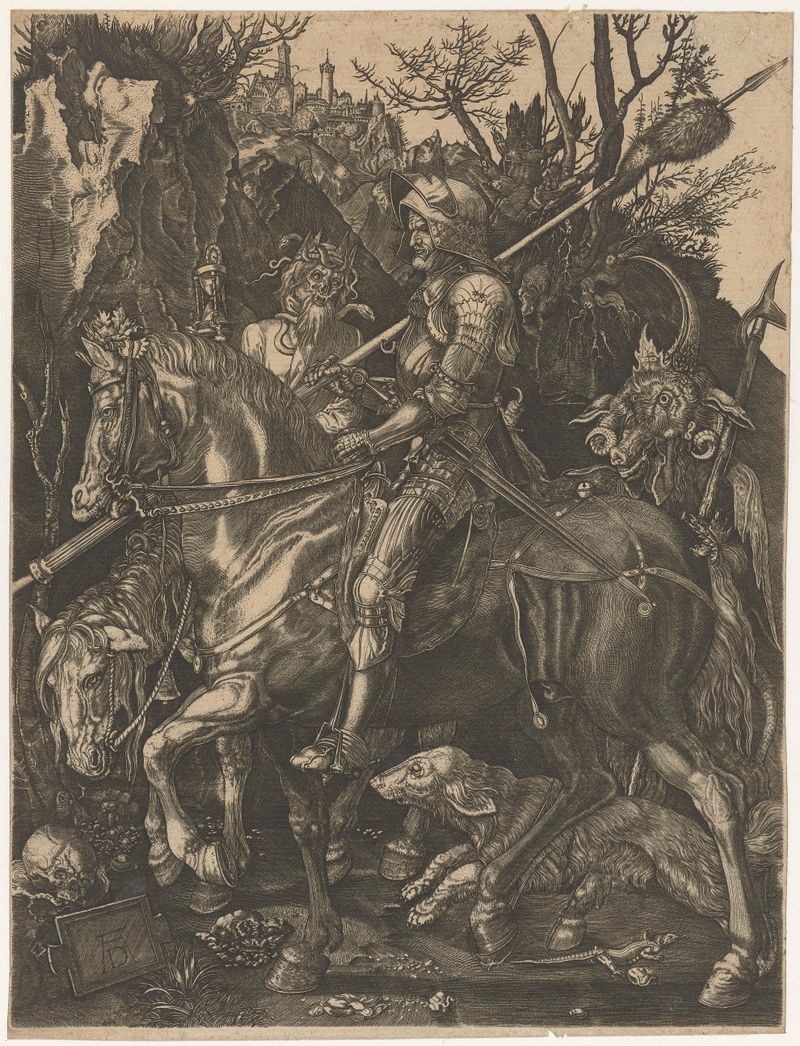
Ridder, Dood en Duivel
Unknown Artist
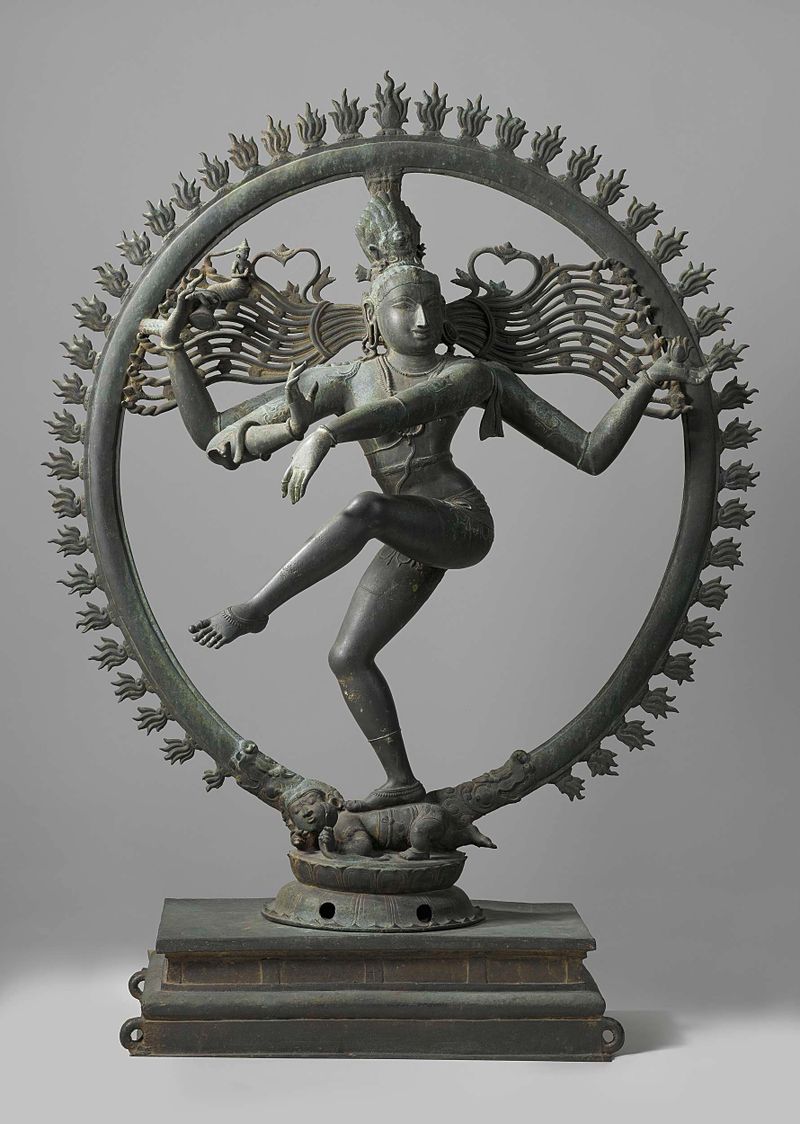
Shiva Nataraja
Unknown Artist
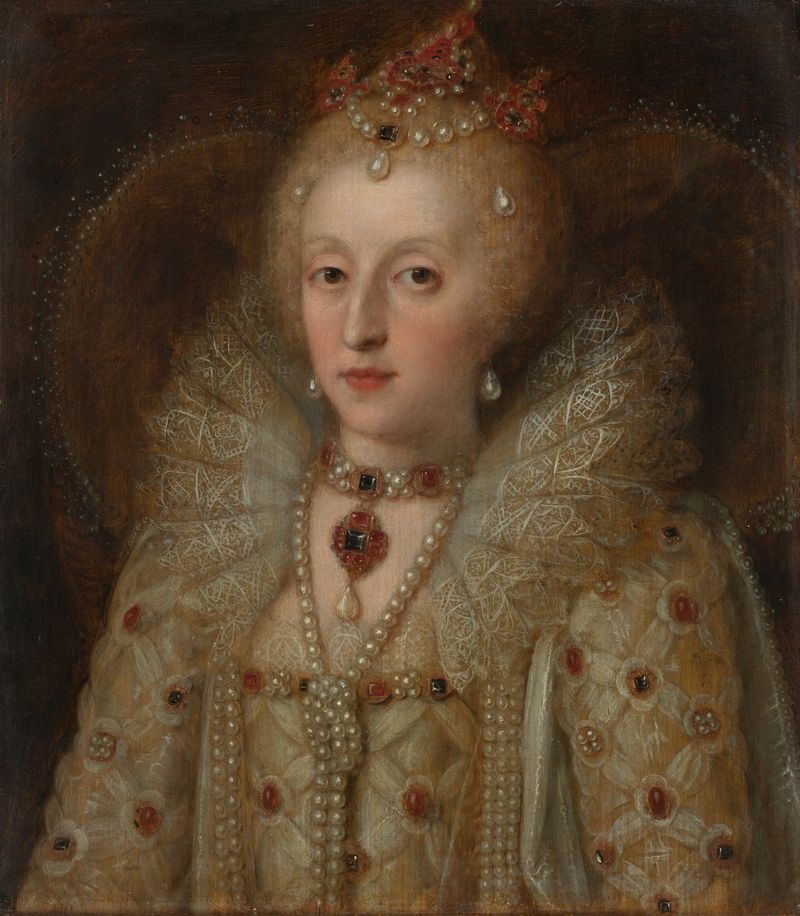
Portrait of Elizabeth I, Queen of England
Unknown Artist
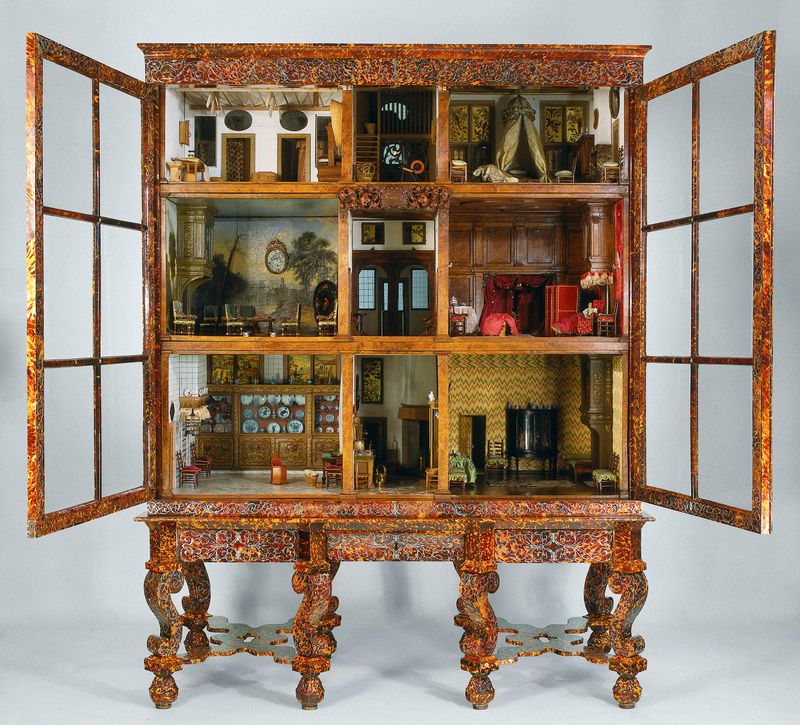
Dolls’ house of Petronella Oortman
Unknown Artist
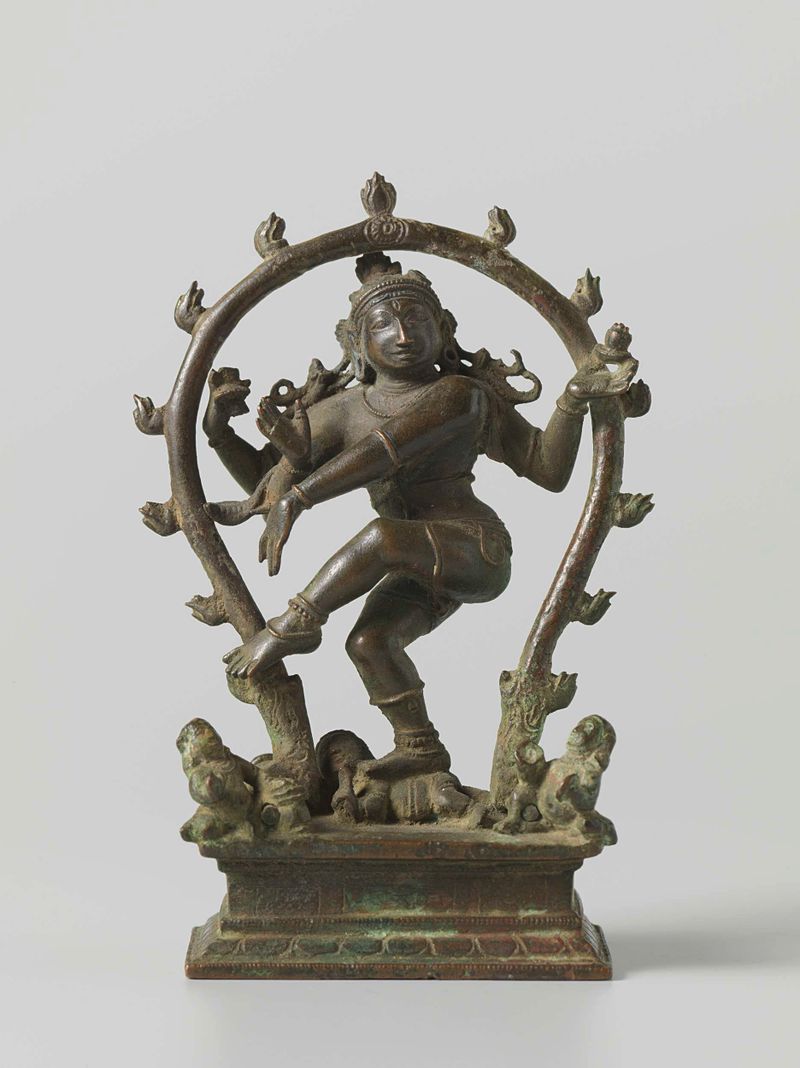
Shiva Nataraja
Unknown Artist

The Tale of Genji
Unknown Artist

The Tale of Genji
Unknown Artist
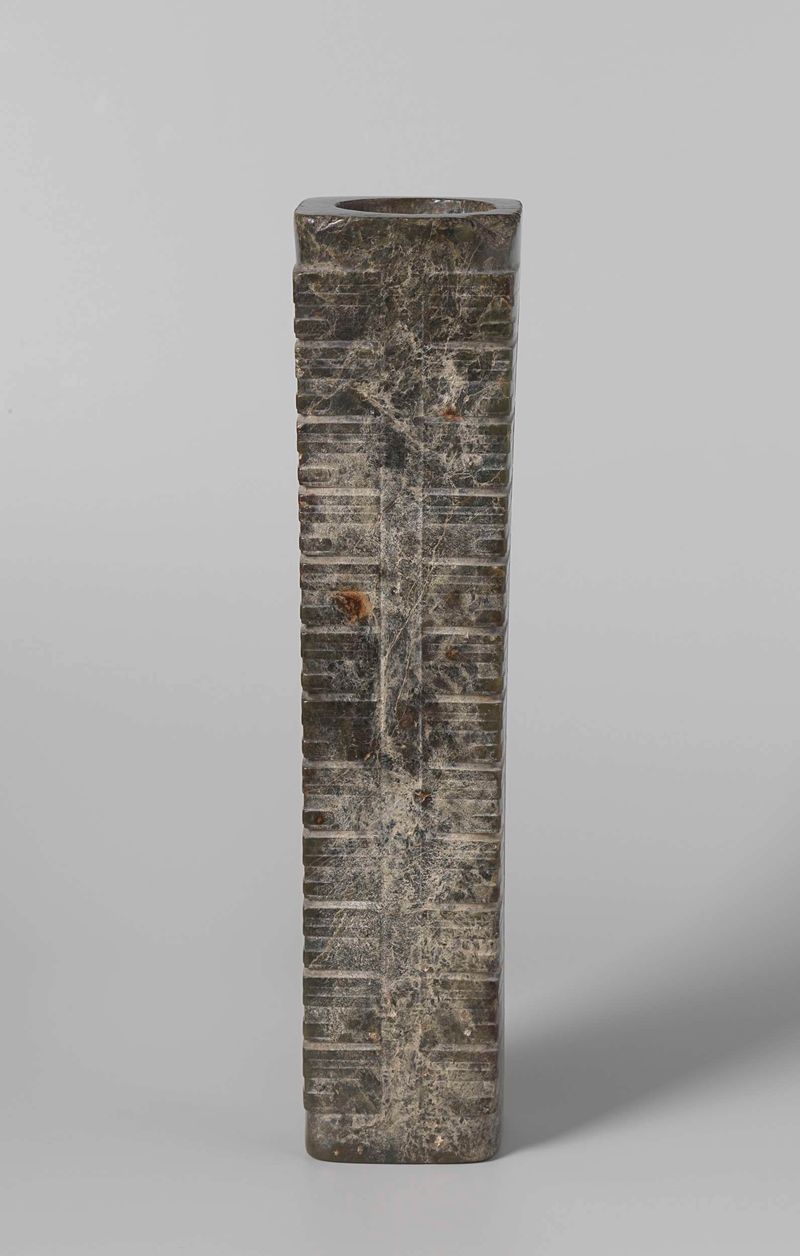
Cong
Unknown Artist
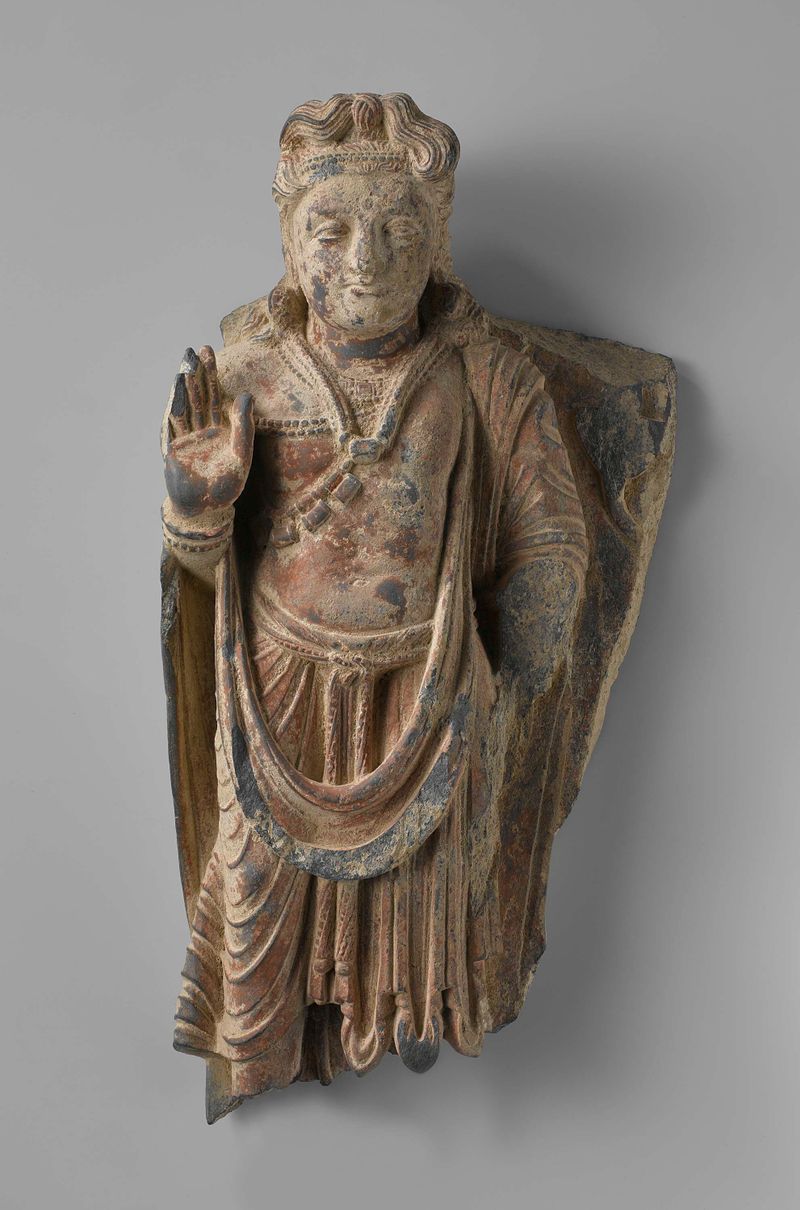
The bodhisattva Maitreya
Unknown Artist
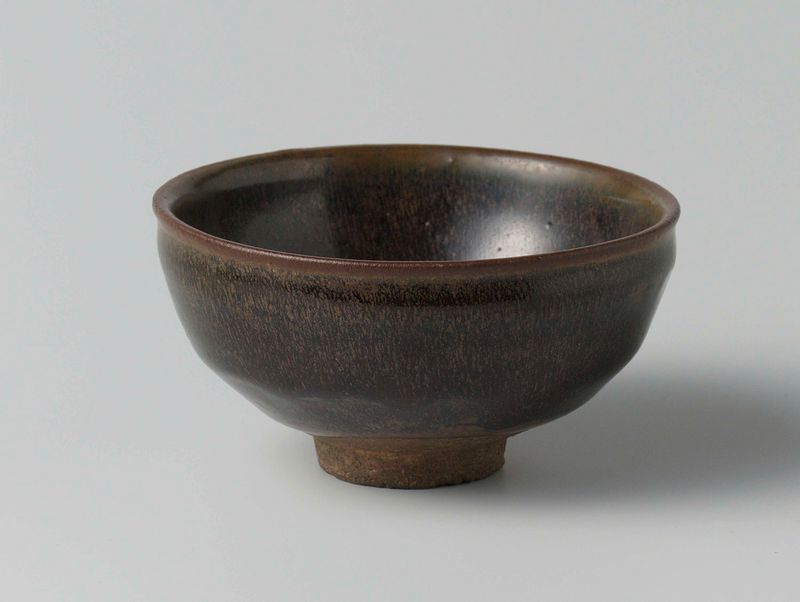
Teabowl with a 'hare's fur' glaze
Unknown Artist