Oplegstuk van gehaakte kant imitatie grove Venetiaanse kant — History & Facts
Is this a mirror — or a memory? This intricate textile beckons with whispers of history, inviting us to explore the delicate threads that weave together truth and illusion. Focus on the center, where the meticulous patterns intertwine like thoughts caught in a gentle breeze. The fine detailing captures light, casting shadows that reveal the labor of love embedded within each loop. Notice the interplay between the stark white of the cotton and the soft, muted background, a testament to the artist's understanding of contrast and depth. Yet, beneath the surface lies a poignant tension.
The imitation of Venetian lace speaks to a longing for authenticity, a yearning to reclaim the past while acknowledging its ephemeral nature. Each knot tells a story of craftsmanship, yet also of artifice—an emblem of a time when handwork was revered, now overshadowed by mass production. The piece symbolically holds a mirror to our own search for identity in a world that often values imitation over originality. Created between 1890 and 1909, this remarkable work emerges from a period marked by both industrialization and a revival of traditional handcrafts.
The unknown artist’s choice to embrace this ancient technique reflects a cultural moment in which the past was venerated amidst a rapidly changing landscape. The movement towards Arts and Crafts principles celebrated the beauty of handmade objects, positioning this piece within a broader dialogue on the value of artisan skills.
More Artworks by Unknown Artist
Browse all →
Ridder, Dood en Duivel
Unknown Artist
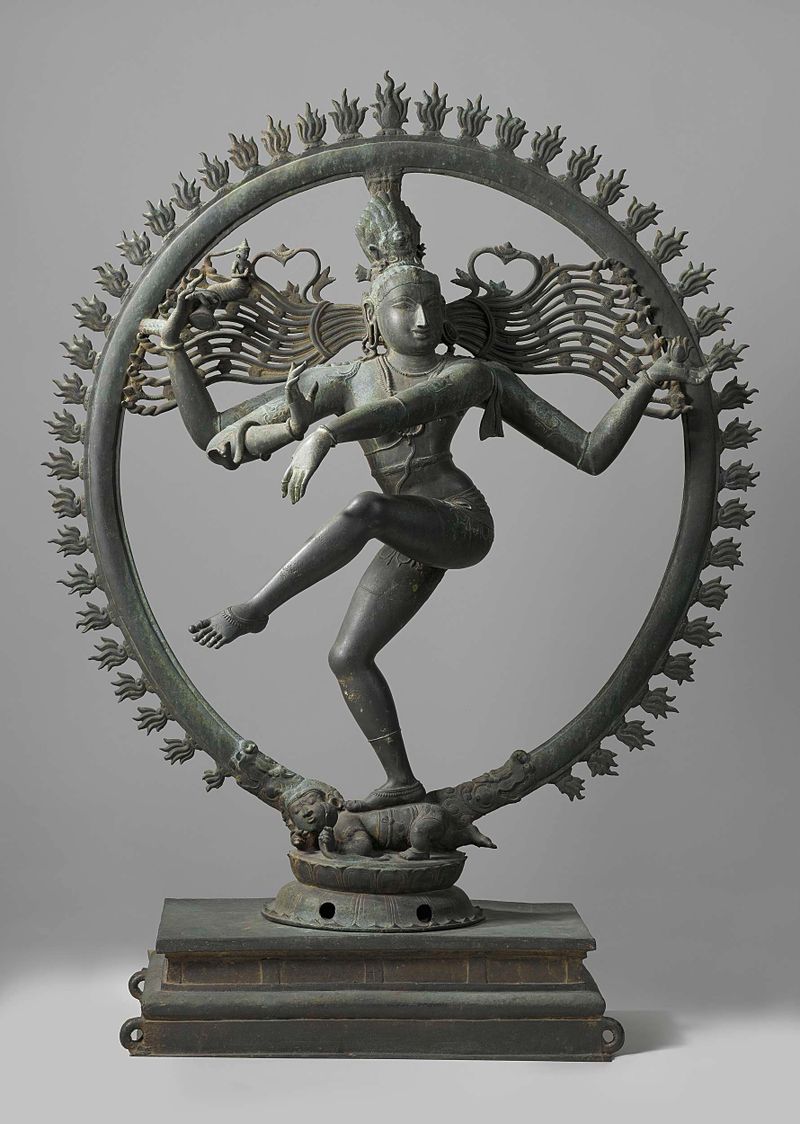
Shiva Nataraja
Unknown Artist
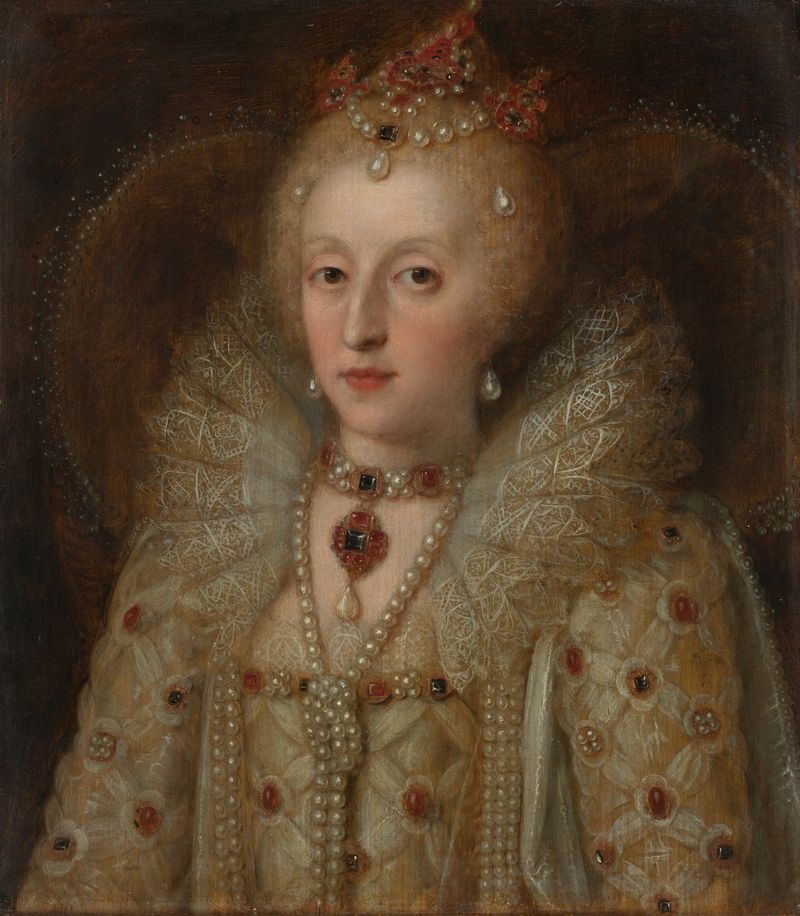
Portrait of Elizabeth I, Queen of England
Unknown Artist
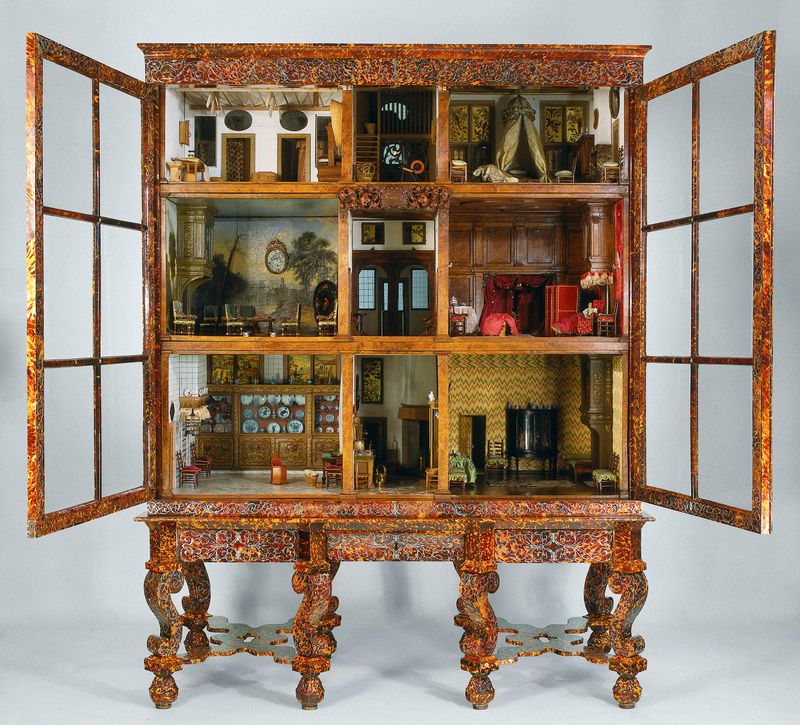
Dolls’ house of Petronella Oortman
Unknown Artist
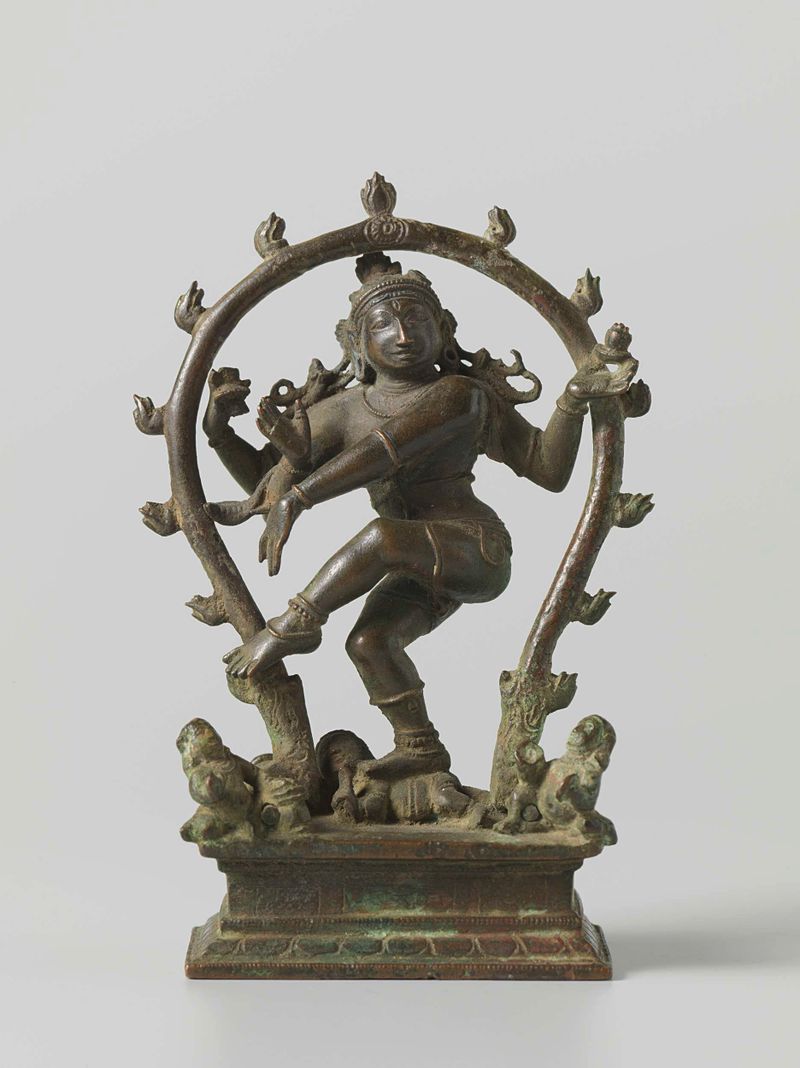
Shiva Nataraja
Unknown Artist

The Tale of Genji
Unknown Artist

The Tale of Genji
Unknown Artist

Cong
Unknown Artist
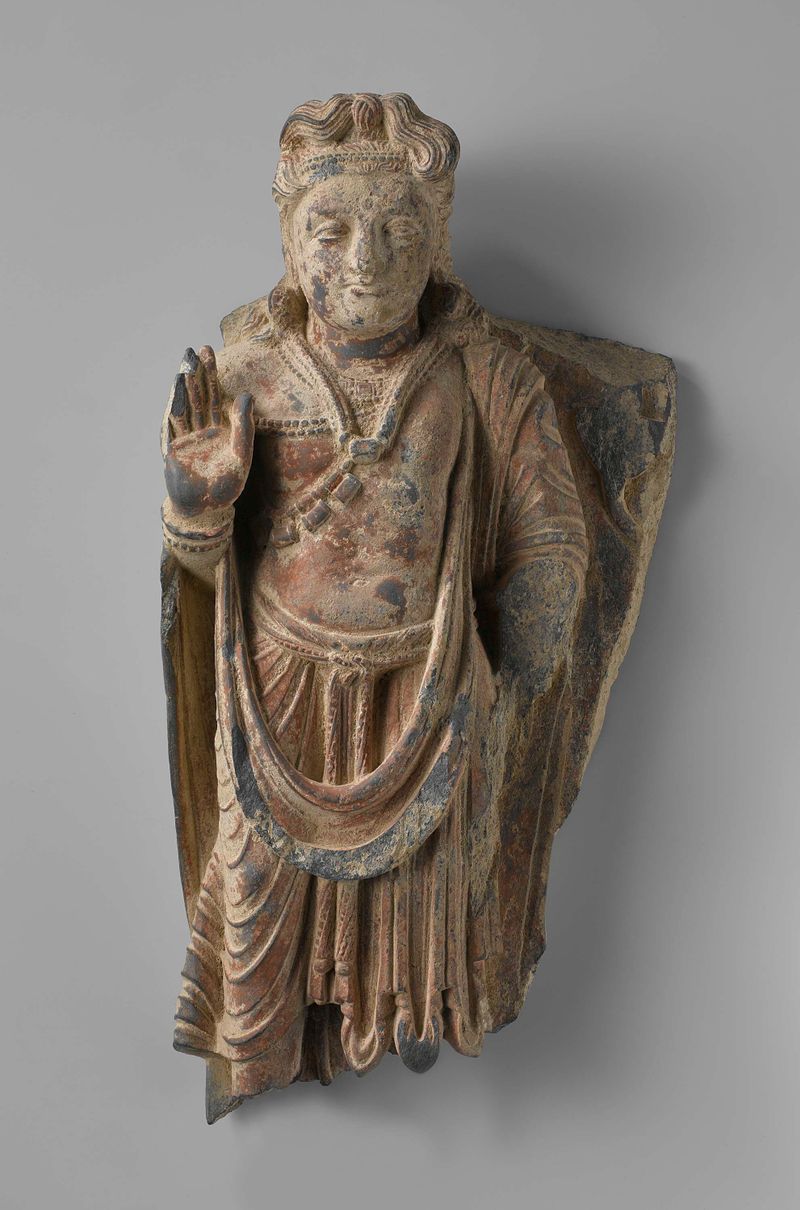
The bodhisattva Maitreya
Unknown Artist

Teabowl with a 'hare's fur' glaze
Unknown Artist