Oriental Bay, Wellington — History & Facts
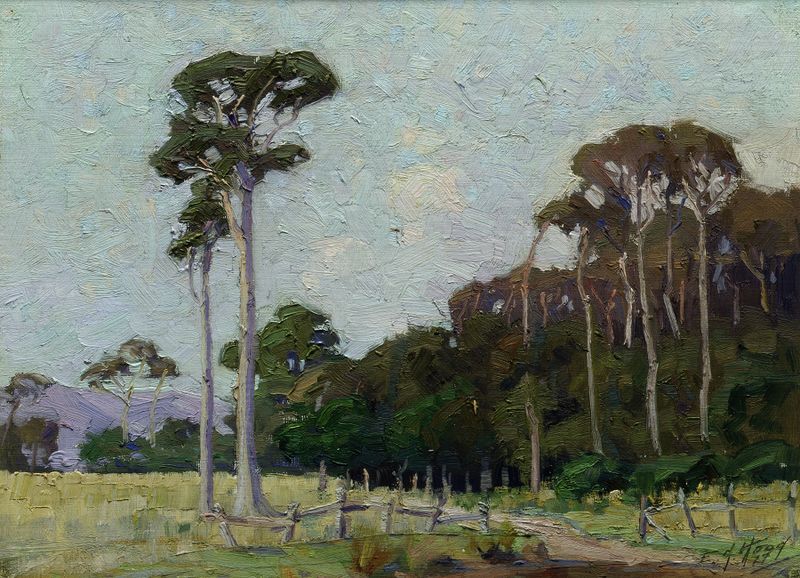
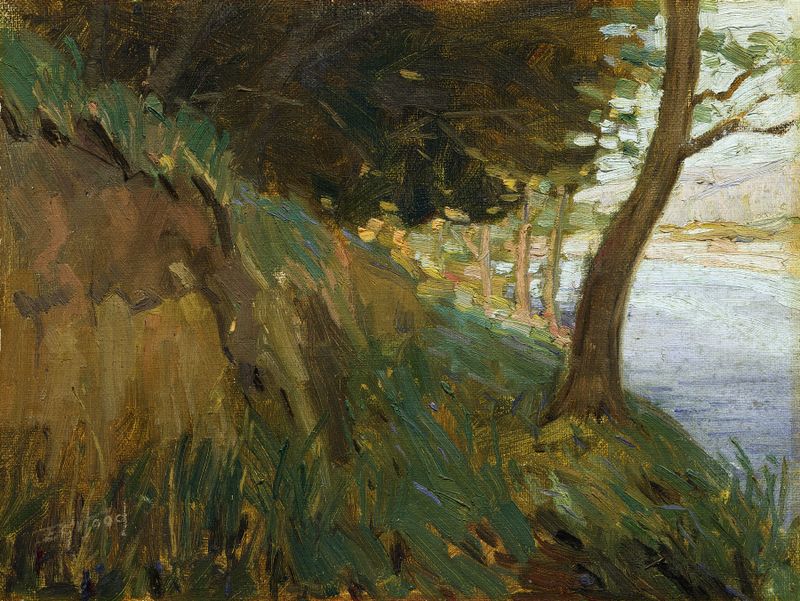
Beneath the surface of still waters lies a hidden narrative waiting to unfold, cloaked in the shadows of time. Look to the left where the gentle curves of Oriental Bay cradle the shimmering sea, creating a tranquil embrace. The palette is composed of soft blues and greens, interspersed with warm ochres, reflecting the languid light of a late afternoon. Notice how the shadows elongate gracefully across the sand, adding depth and texture that invite the viewer to linger.
The distant hills rise like sentinels, their muted tones harmonizing with the vibrant hues of the bay, establishing a serene yet poignant dialogue between land and sea. As you explore further, consider the juxtaposition of light and shadow, which speaks to both beauty and the passage of time. The play of light skimming over the water contrasts with the deeper shadows cast by the cliffs, evoking a sense of nostalgia and longing. Each ripple in the water whispers secrets of moments gone by, while the horizon suggests both an ending and a beginning, prompting reflections on the cycles of life and the often overlooked layers that color our experiences. Painted in 1918, Hood found inspiration in Wellington, New Zealand.
This period witnessed a world grappling with the aftermath of World War I, where the beauty of nature became a refuge amidst chaos. Hood’s work reflects a desire to capture peaceful yet poignant moments, a testament to his artistic exploration of the interplay between light, shadow, and the human soul in a time of upheaval.