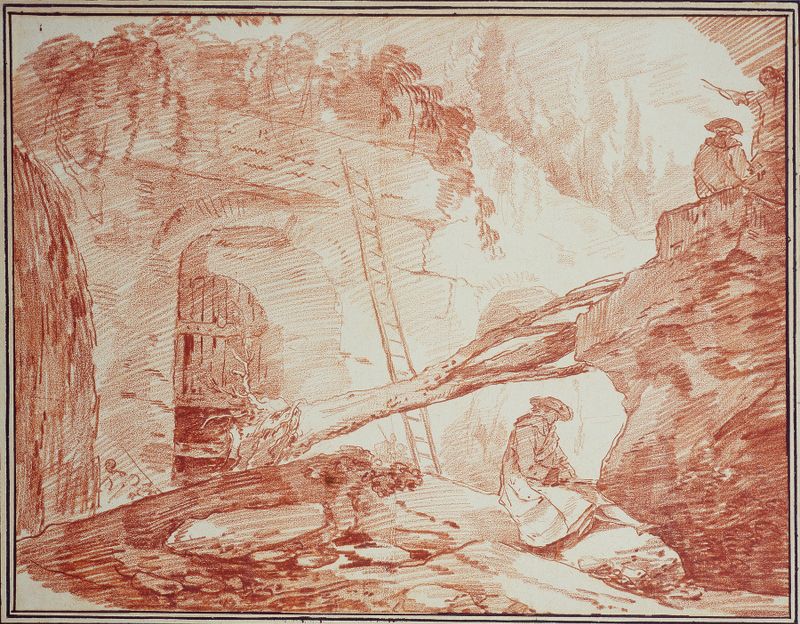
Original Drawings for Choix de Vues de L’Inde and Others Pl.18 — History & Facts
Could a single brushstroke hold eternity? In the delicate strokes of this work, decay unfurls into a vibrant narrative of time, culture, and impermanence. Focus on the intricate details that invite the viewer in. The soft, faded colors evoke the natural deterioration of history, suggesting that the very essence of life is woven into the fragmentary landscapes. Notice how the artist captures the crumbling architecture: each line and wash reflects a once-thriving civilization, now caught in the tender embrace of nature’s reclamation.
The delicate interplay of light and shadow creates a dreamlike atmosphere, beckoning you to explore the ruins and the stories they hold. Hidden within these seemingly simple forms is a profound commentary on transience. The juxtaposition of vibrant flora against the skeletal remains of human endeavor speaks to the cycle of life and decay, illustrating how nature persistently interlaces with our histories. Each detail resonates with the emotional weight of loss, while simultaneously celebrating the beauty that arises from it.
Here, decay is not merely an end, but an invitation to reflect on what was and what endures. In the period between 1780 and 1788, the artist traveled extensively, documenting landscapes and cultures far removed from his native England. This particular work was part of a series that sought to capture the essence of India during a time of burgeoning interest in the region. As the Enlightenment flourished, Hodges’ depictions not only served as artistic endeavors but also as windows into an evolving world, one that was beginning to grapple with its own complexities and histories.
More Artworks by William Hodges
Browse all →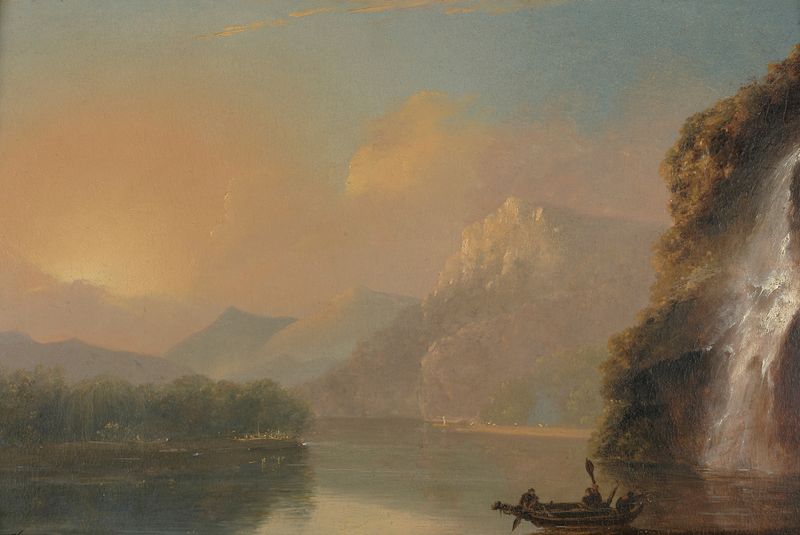
Waterfall in Dusky Bay with Maori canoe
William Hodges
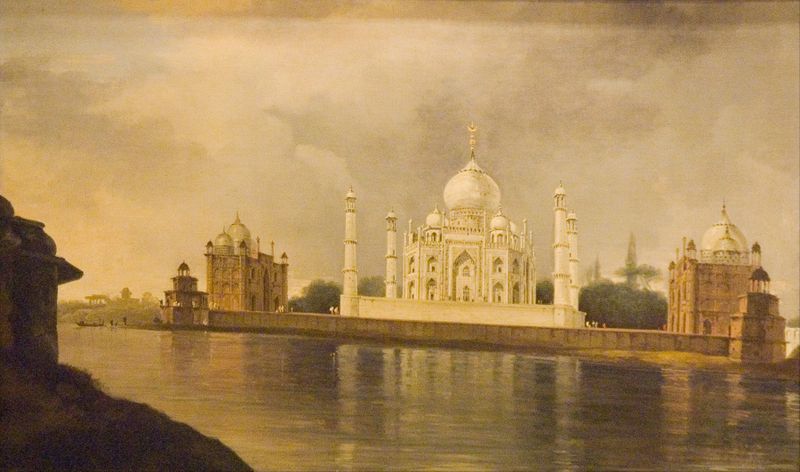
The Taj Mahal
William Hodges
Original Drawings for Choix de Vues de L’Inde and Others Pl.15
William Hodges
Original Drawings for Choix de Vues de L’Inde and Others Pl.34
William Hodges
Original Drawings for Choix de Vues de L’Inde and Others Pl.03
William Hodges
Original Drawings for Choix de Vues de L’Inde and Others Pl.50
William Hodges
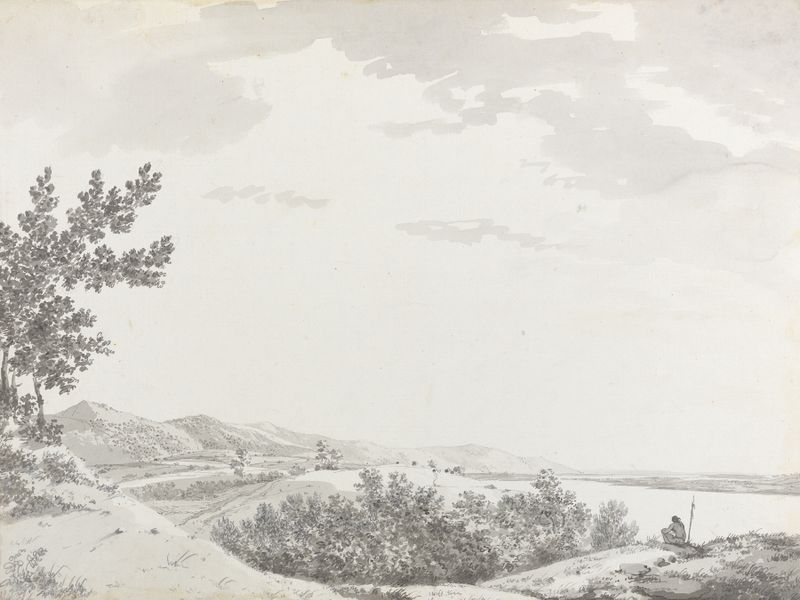
Original Drawings for Choix de Vues de L’Inde and Others Pl.19
William Hodges
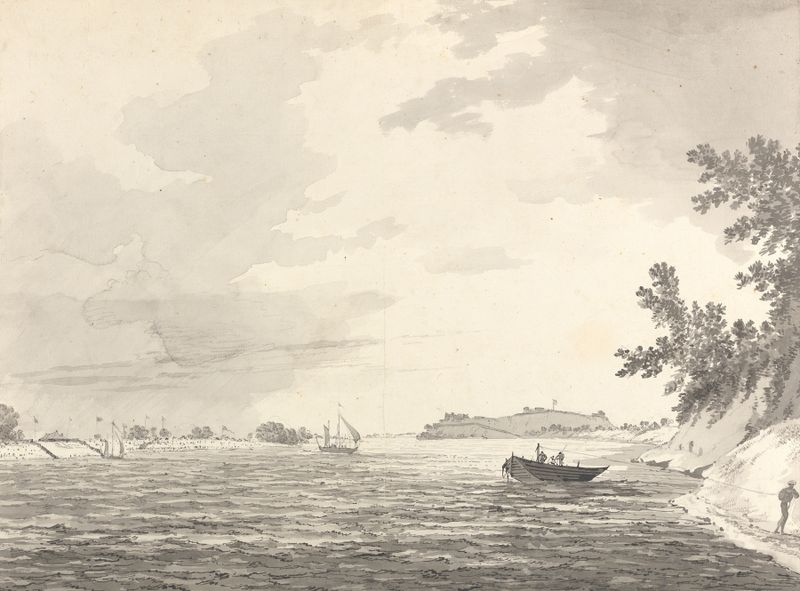
Original Drawings for Choix de Vues de L’Inde and Others Pl.10
William Hodges
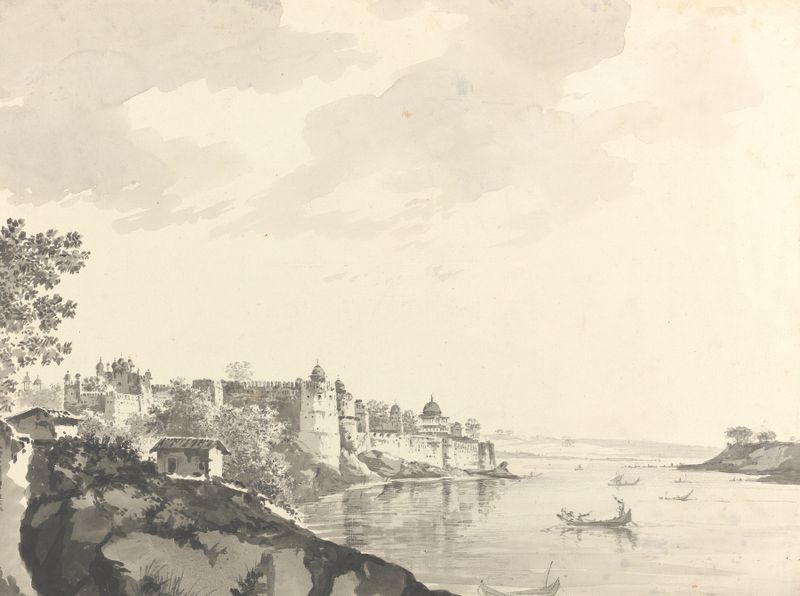
Original Drawings for Choix de Vues de L’Inde and Others Pl.08
William Hodges
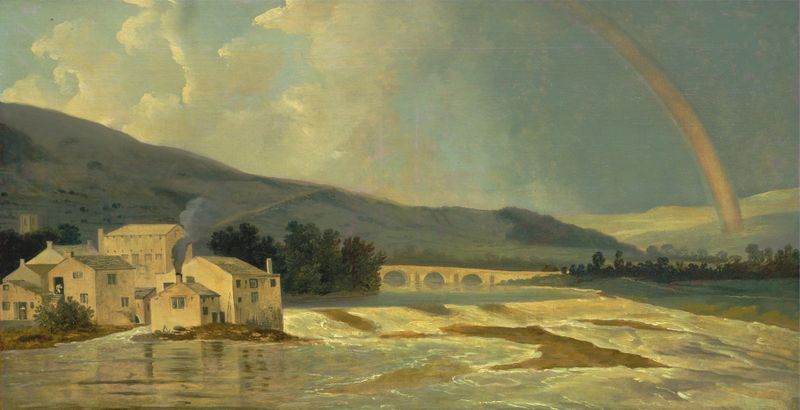
Otley Bridge on the River Wharfe
William Hodges