
The Taj Mahal — History & Facts
Can paint confess what words never could? In the soft glow of twilight, a memory is captured, echoing the whispers of love and loss, longing and reverie. Look to the center, where the majestic dome of the Taj Mahal rises against a gradient sky, each brushstroke carefully crafted to reveal its intricate details. Notice how the light plays off the white marble, creating a luminous aura that almost breathes life into the structure. The reflection in the water below, though still, hints at an underlying movement, suggesting that time, while fleeting, holds onto beauty with fierce tenderness. As you explore the foreground, small figures navigate the scene, their silhouettes infused with a sense of scale that magnifies the grandeur of the monument, yet also imbues it with a poignant isolation.
The contrasting blues and warm hues create a veil of nostalgia that invites contemplation; the Taj Mahal is not just a masterpiece of architecture but a symbol of enduring love and the ephemeral nature of human experience. Each detail, from the floral motifs to the tranquil water's surface, connects to a larger narrative about memory and longing. William Hodges painted this work during a period when he was exploring the landscapes of India in the late 18th century. As an artist deeply influenced by the Romantic movement, he sought to capture the sublime beauty of distant lands, providing Western audiences a glimpse into the exotic.
At this time, there was a burgeoning fascination with the East, and Hodges played a pivotal role in bringing such scenes back to life through his art, bridging cultures through the strokes of his brush.
More Artworks by William Hodges
Browse all →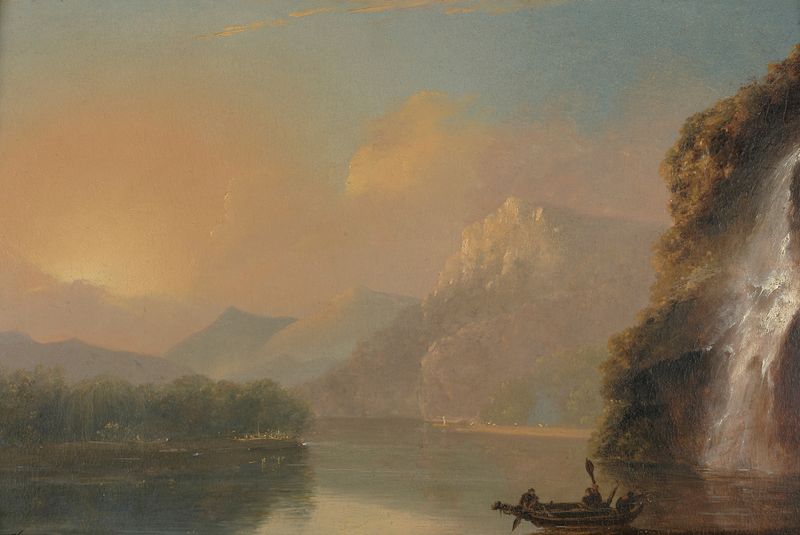
Waterfall in Dusky Bay with Maori canoe
William Hodges
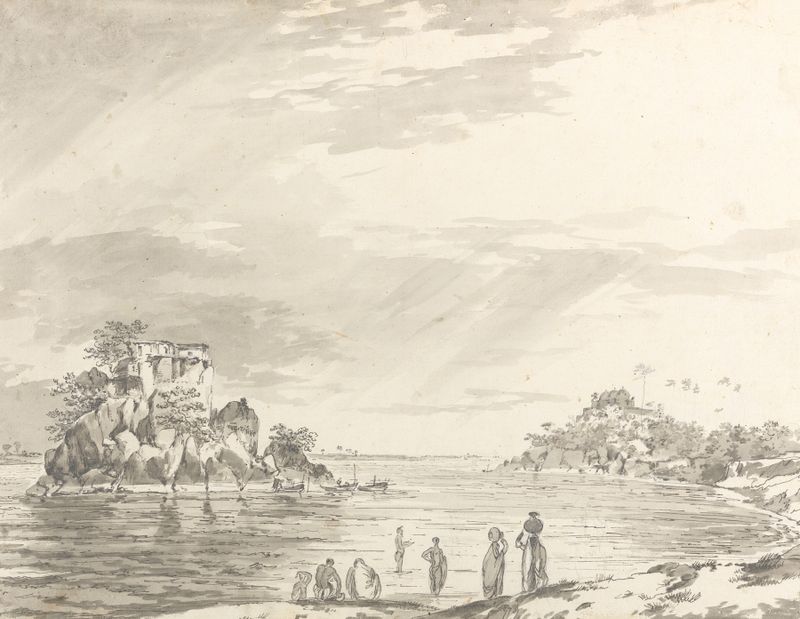
Original Drawings for Choix de Vues de L’Inde and Others Pl.15
William Hodges
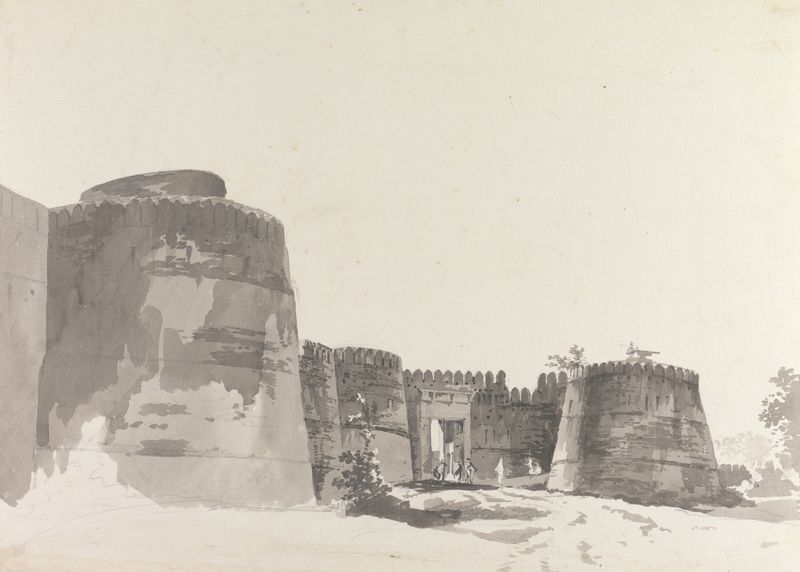
Original Drawings for Choix de Vues de L’Inde and Others Pl.34
William Hodges
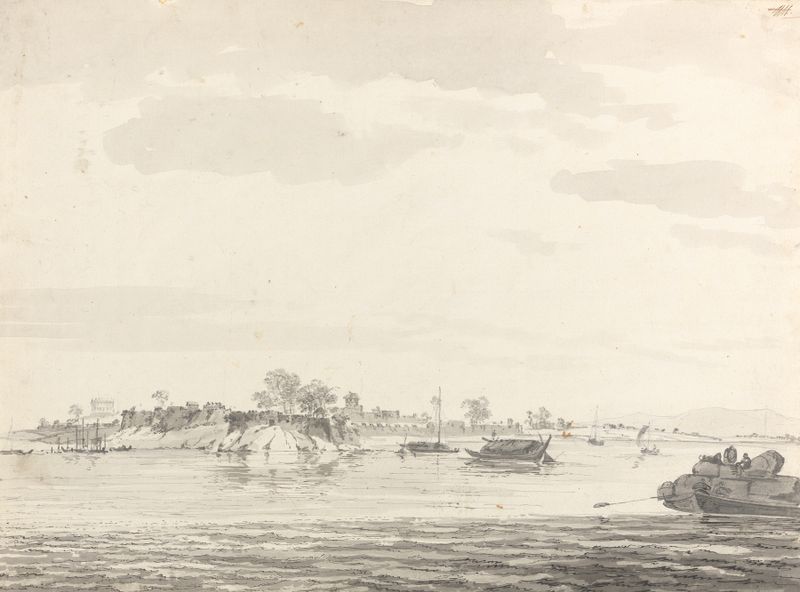
Original Drawings for Choix de Vues de L’Inde and Others Pl.18
William Hodges
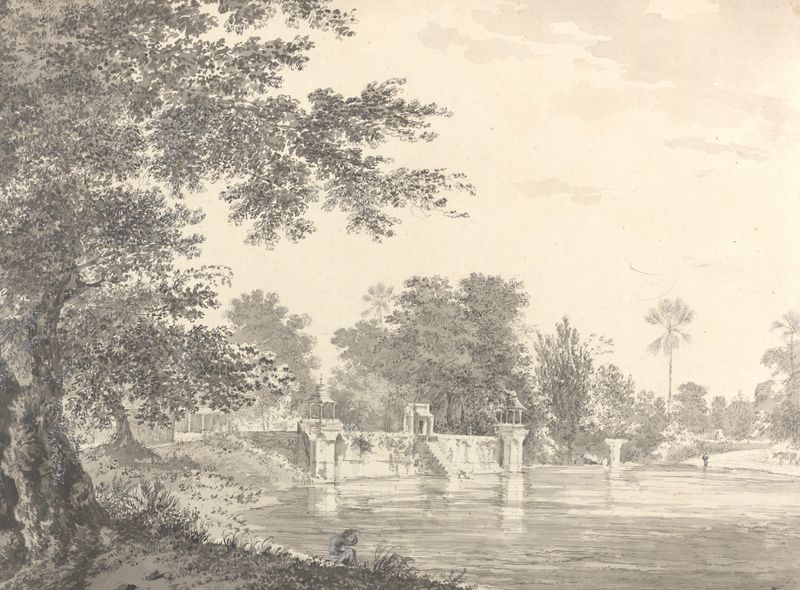
Original Drawings for Choix de Vues de L’Inde and Others Pl.03
William Hodges
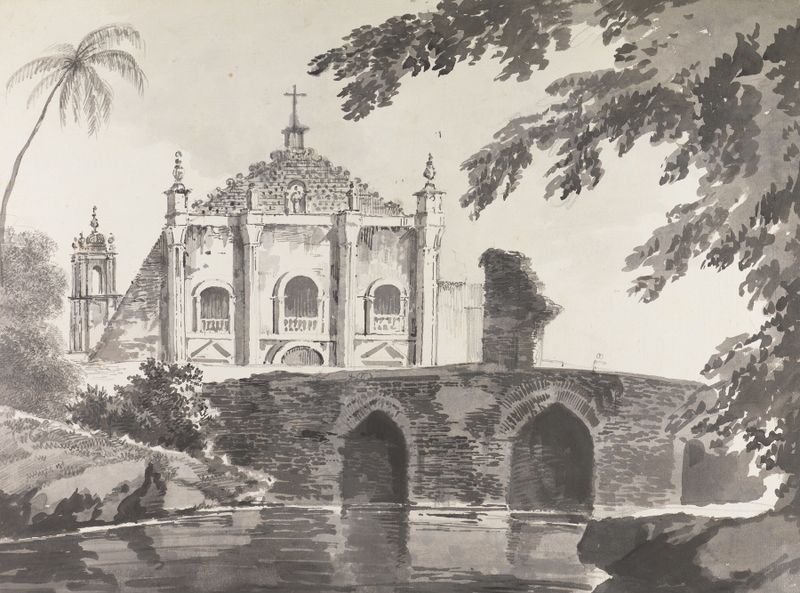
Original Drawings for Choix de Vues de L’Inde and Others Pl.50
William Hodges
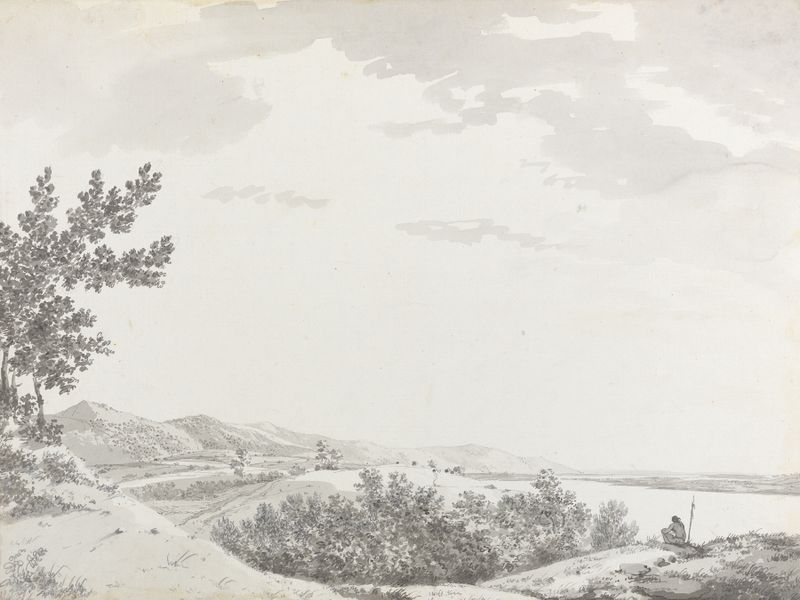
Original Drawings for Choix de Vues de L’Inde and Others Pl.19
William Hodges
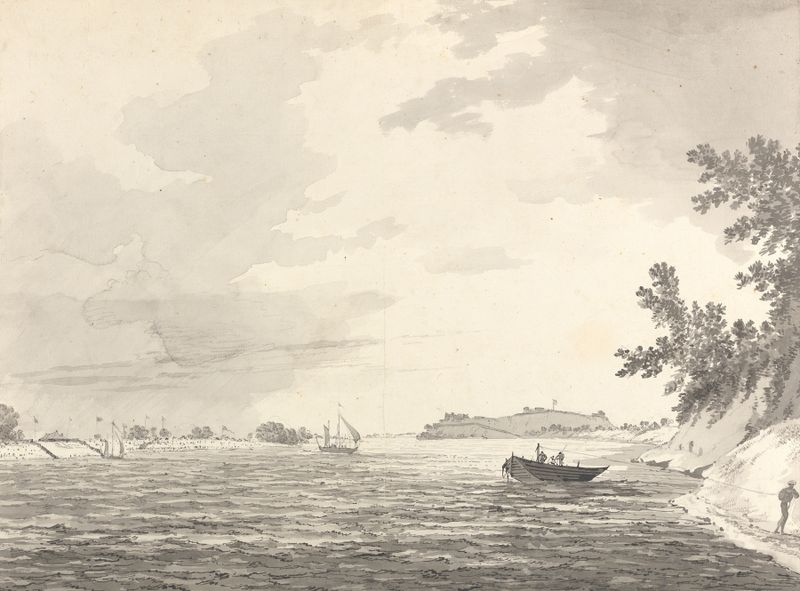
Original Drawings for Choix de Vues de L’Inde and Others Pl.10
William Hodges
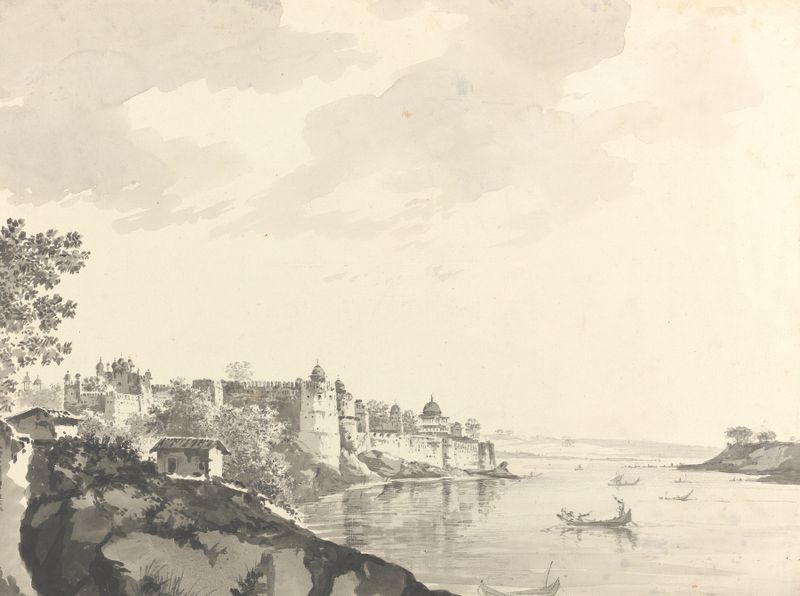
Original Drawings for Choix de Vues de L’Inde and Others Pl.08
William Hodges
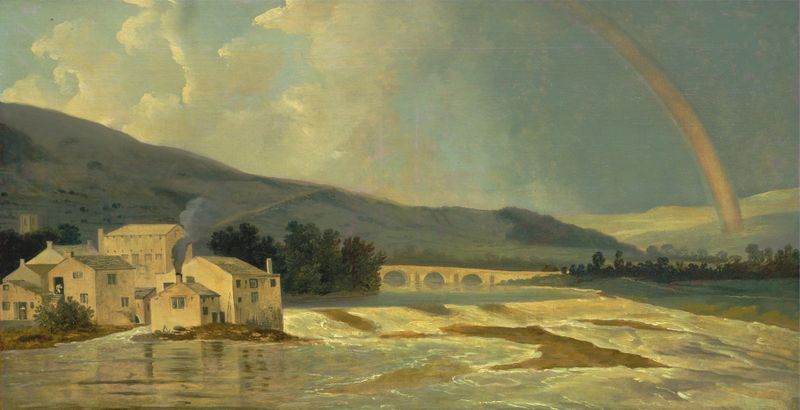
Otley Bridge on the River Wharfe
William Hodges
More Architecture Art
Browse all →
The statue of Liberty
Frédéric Auguste Bartholdi

View of Houses in Delft, Known as ‘The Little Street’
Johannes Vermeer

View of Houses in Delft, Known as ‘The Little Street’
Johannes Vermeer

The Cathedral in Rouen. The portal, Grey Weather
Claude Monet

The yellow house
Vincent van Gogh

The Church in Auvers-sur-Oise, View from the Chevet
Vincent van Gogh