Painting — History & Facts
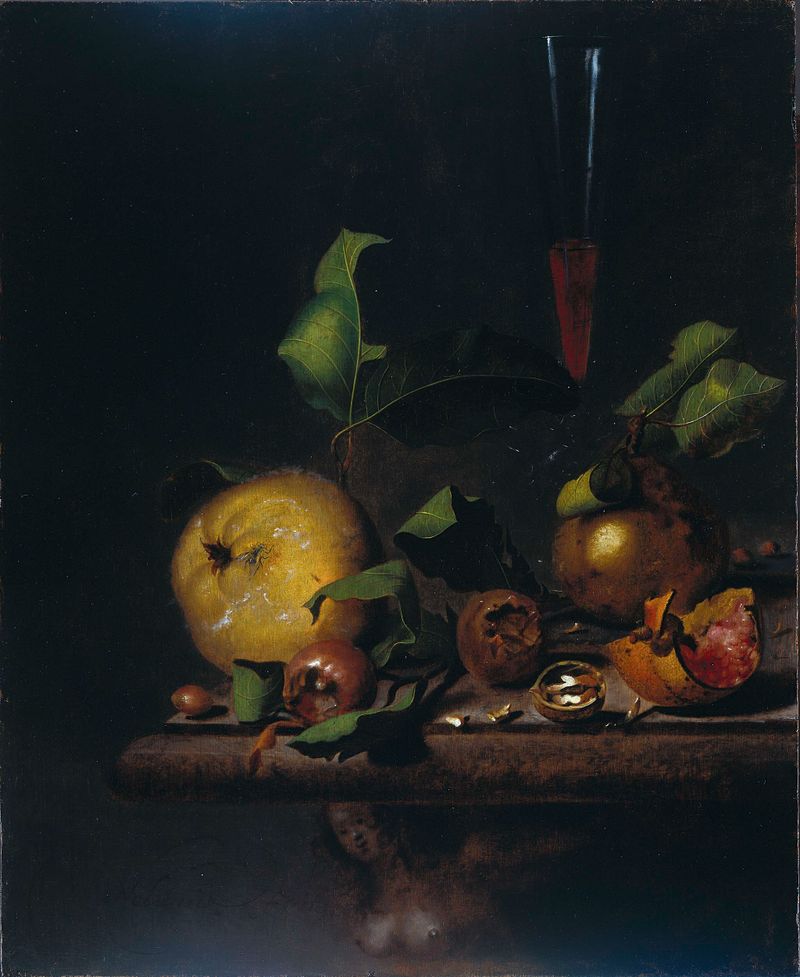
In this statement lies the tension between creation and destruction, a haunting reminder of the violence that often lurks just beneath the surface of beauty. Focus on the deep, haunting shadows that creep across the canvas, their presence unsettling yet mesmerizing. The rich, dark hues draw you in, creating an atmosphere thick with unspoken stories. Notice the subtle brushwork that leaves behind traces of turbulence, suggesting a narrative of conflict—a paradox of peace held captive by the threat of violence.
Each stroke seems deliberate, evoking a sense of urgency and emotion that resonates deeply with the viewer. In the background, shapes emerge and retreat, evoking a sense of unease that beckons contemplation. The juxtaposition of light and dark highlights the delicate balance between creation and destruction, reminding us that the act of painting is also an act of wrestling with memories of violence. Interwoven details, such as flickering light that barely reveals hidden figures, further amplify the tension, as if time itself is struggling to retain the past while seeking solace in the present. Martinus Nellius created this work in 1693, a time when Europe was grappling with the aftermath of conflicts and political upheavals.
As a talented artist based in the Netherlands, Nellius was influenced by the Baroque movement, which emphasized dramatic expressions and emotional depth. Amidst a backdrop of societal turmoil, he sought to convey the complexities of human experience, using his art as both a reflection and a confrontation of the violent realities surrounding him.