Painting — History & Facts
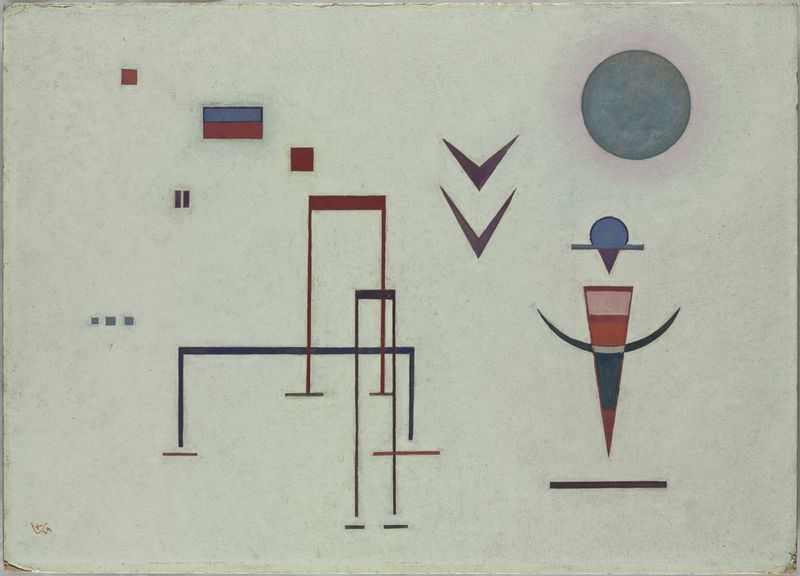
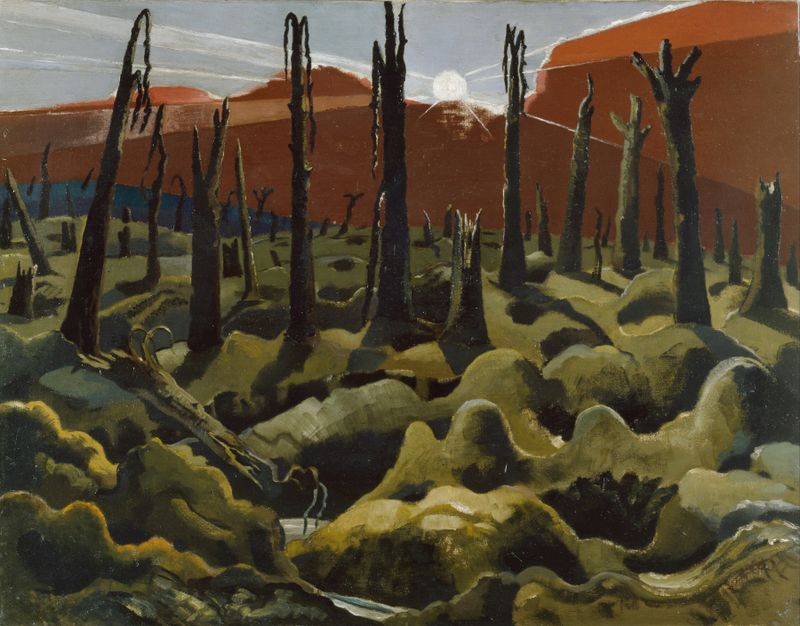
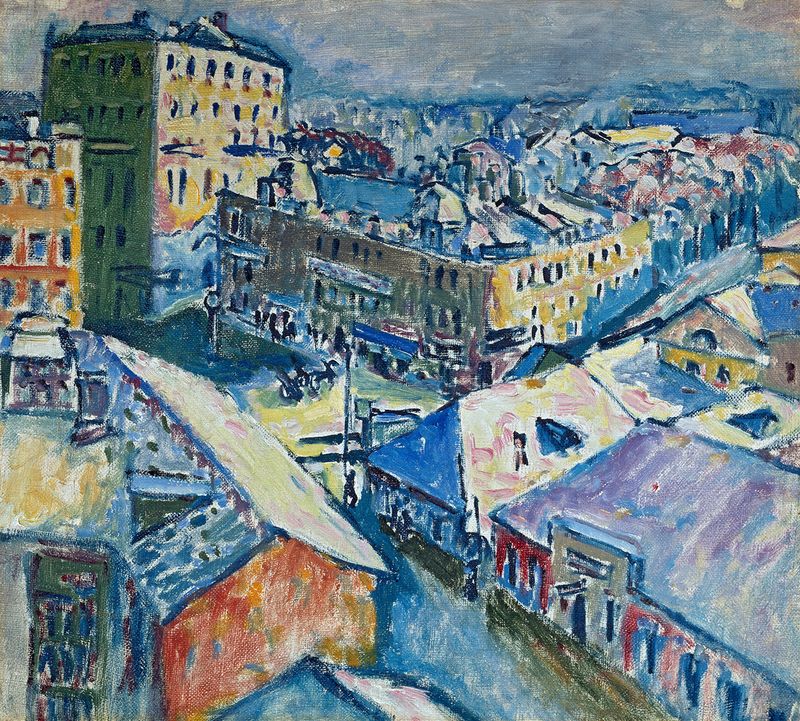
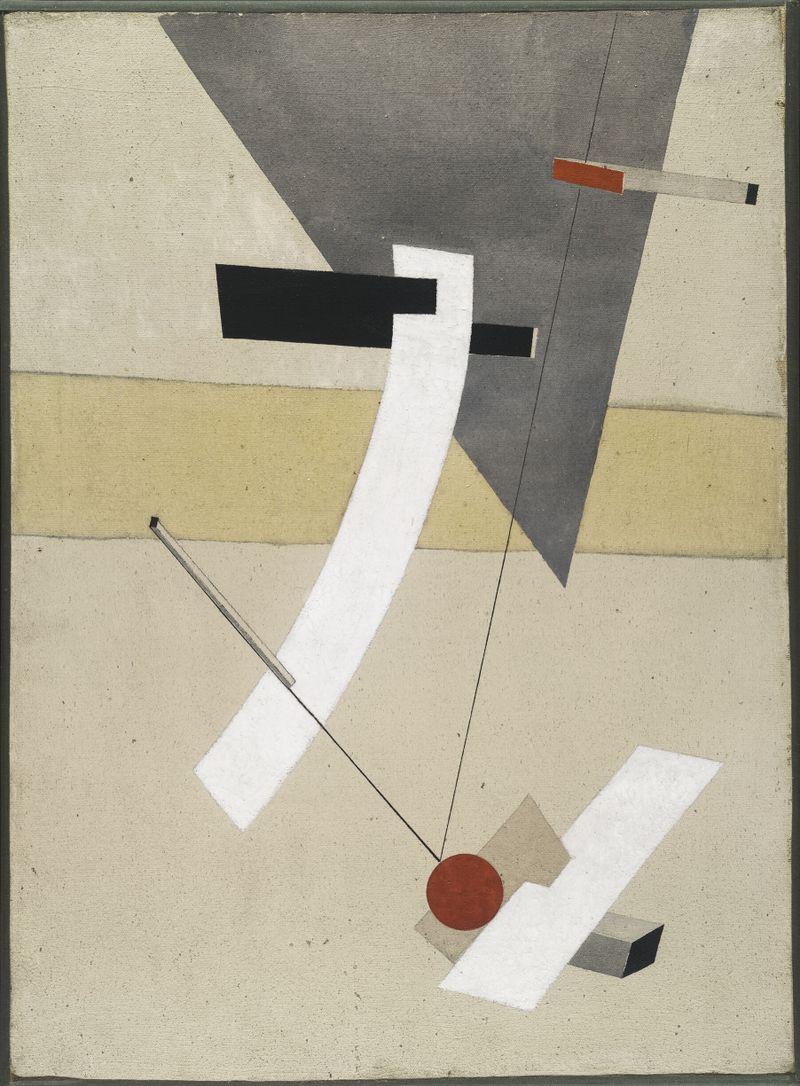
Is this a mirror — or a memory? In the depths of reflection, past and present collide, inviting the viewer to explore the tumultuous echoes of revolution. Look closely at the vibrant swirls of color that dominate the canvas, drawing your attention first to the striking contrast between the deep reds and somber blacks. These hues pulse with drama, suggesting an undercurrent of unrest. Notice how the brushstrokes twist and curl into abstract shapes, creating a sense of movement that invites the eye to dance across the surface, lingering on the edges where colors bleed into one another, hinting at the chaos of change. Yet, within this frenzy, there lies a deeper narrative.
The jagged lines can be seen as both oppressive and liberating, embodying the duality of revolution as a force that can destroy and create anew. Subtle silhouettes emerge from the chaos, perhaps representing figures lost to the march of time, evoking the bittersweet nature of progress and the sacrifices made along the way. This interplay of struggle and hope encapsulates a longing for transformation, resonating deeply within the heart of the observer. Otto Rudloff created this work during a period marked by social upheaval and artistic experimentation.
Though the exact date remains unknown, his art reflects the zeitgeist of a world on the brink of monumental change. Emerging in an environment ripe with revolutionary sentiment, he sought to capture the visceral emotions of his time, contributing to a visual language that interrogated the essence of identity and collective memory.