Painting — History & Facts
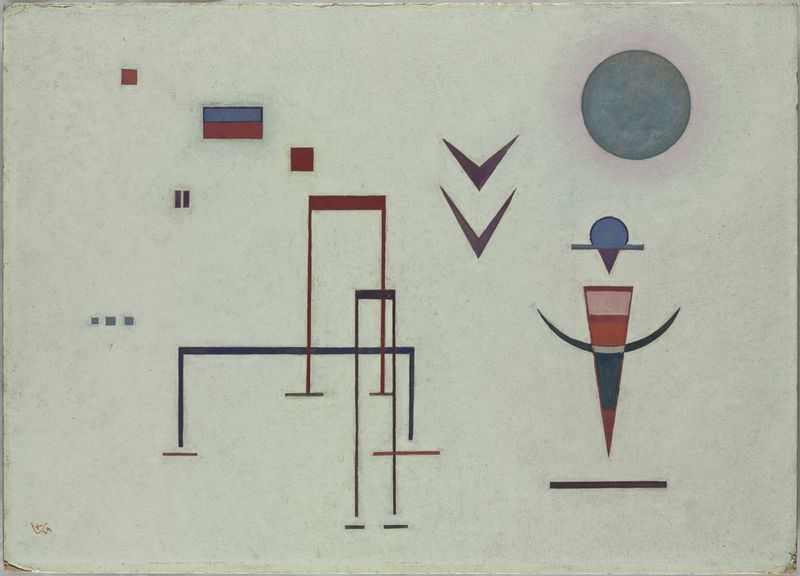
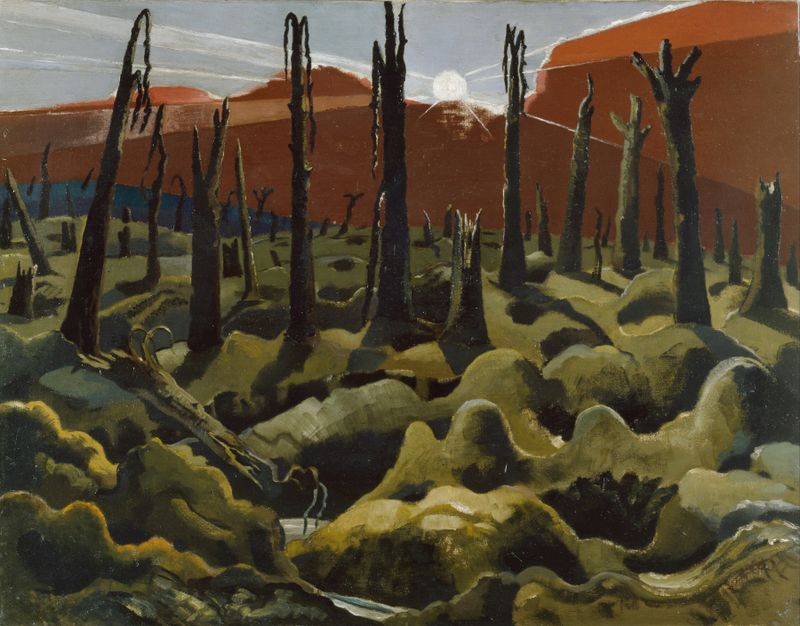
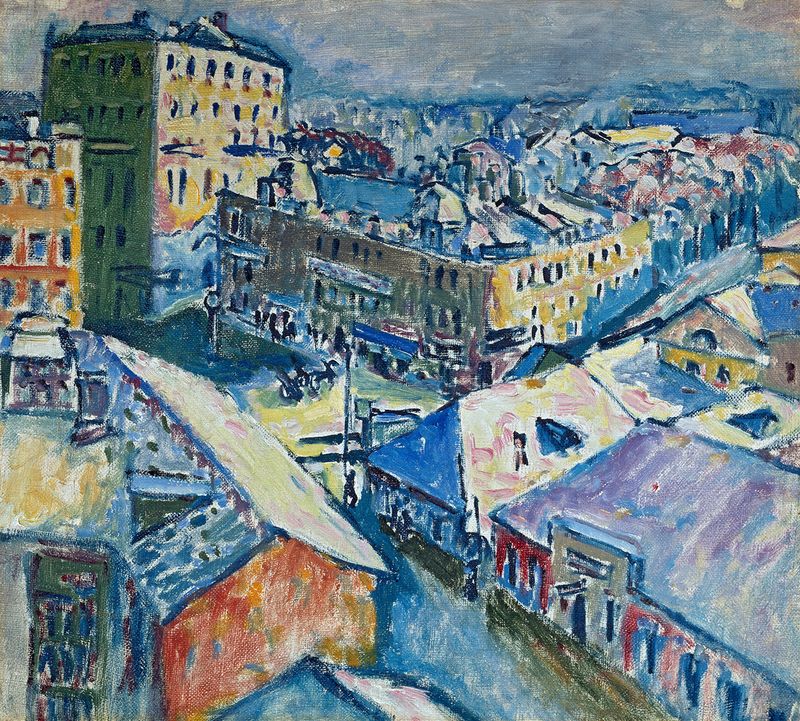
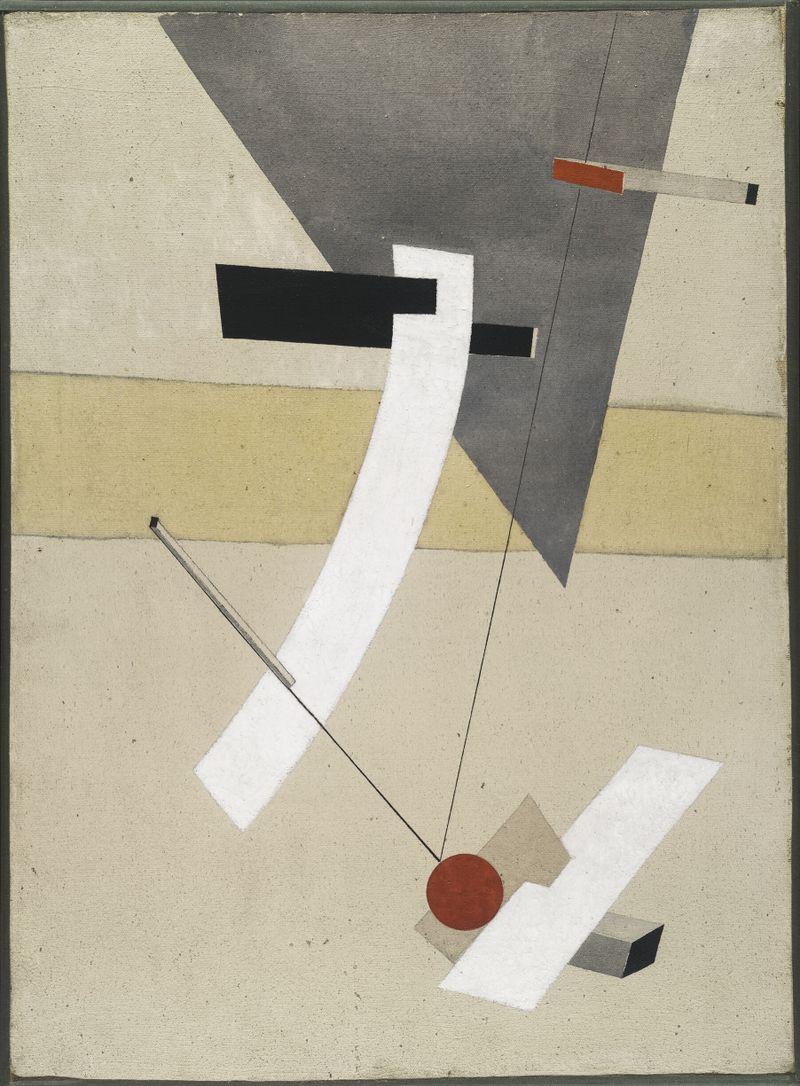
In the heart of a turbulent world, art speaks the language of loss, transforming raw emotion into beauty. Look to the center where strokes converge to form a harmonious yet chaotic swirl. The vibrant palette juxtaposes deep blues with fiery oranges, inviting the viewer to traverse a tumultuous landscape, both emotional and visual. Notice how the brushwork oscillates between controlled precision and wild abandon, suggesting an internal struggle that tugs at the heartstrings, drawing you closer to the depths of the artist's intent.
Each stroke seems to echo a forgotten memory, fluttering between clarity and obscurity. Within this dynamic composition lies a profound exploration of grief and resilience. The contrasting colors symbolize the duality of loss—how sorrow intertwines with moments of beauty, illuminating the complexity of human experience. Small details, such as the gentle fading edges, evoke the passage of time and the fragility of memories, while the intensity of the central swirl symbolizes the chaos of life itself.
Here, loss is not merely an absence, but a catalyst for transformation, inviting viewers to reflect on their own experiences. Gilles Demarteau, an enigmatic figure in the art world, created this piece during an unspecified period, shrouded in mystery. His work often navigated the intersection of emotion and expression, an echo of the broader artistic movements of his time, which were grappling with the aftermath of conflict and the search for meaning. This painting stands as a testament to his ability to capture the essence of the human condition, revealing the beauty that can emerge from profound loss.