Painting — History & Facts
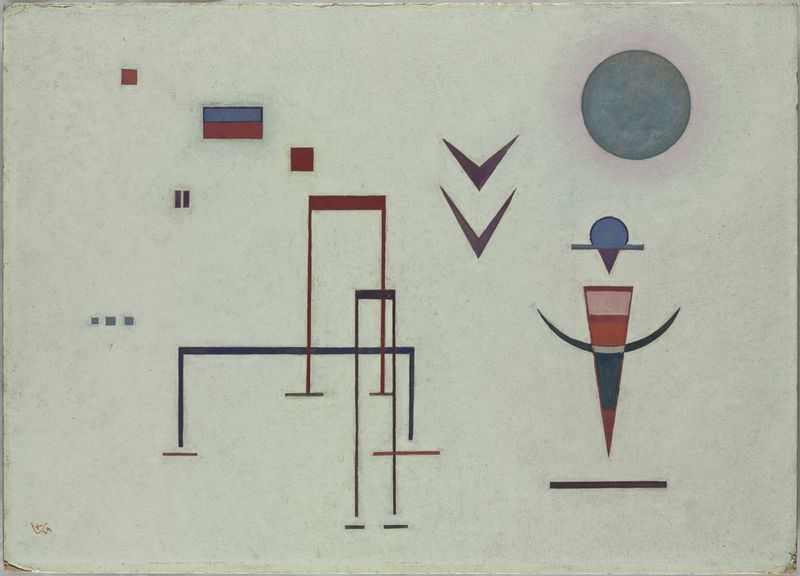
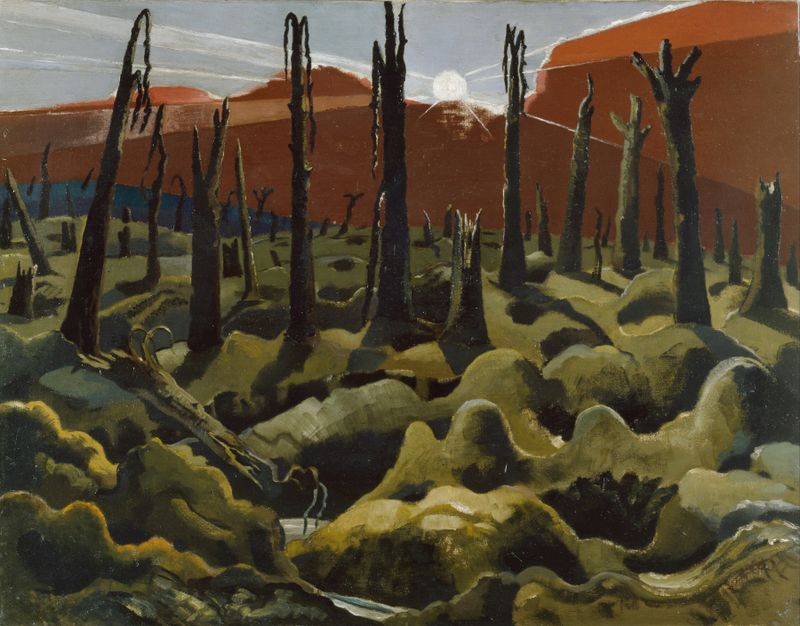
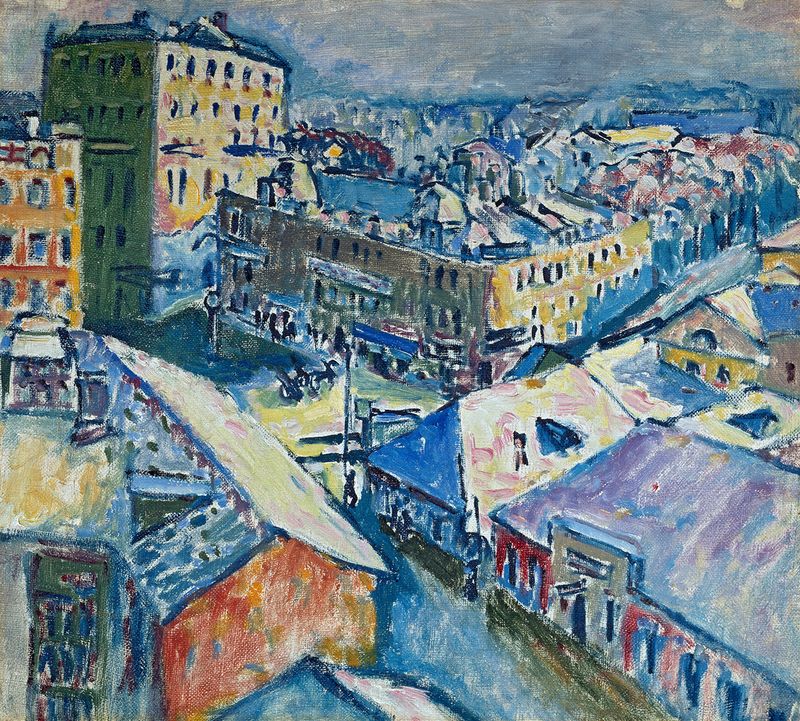
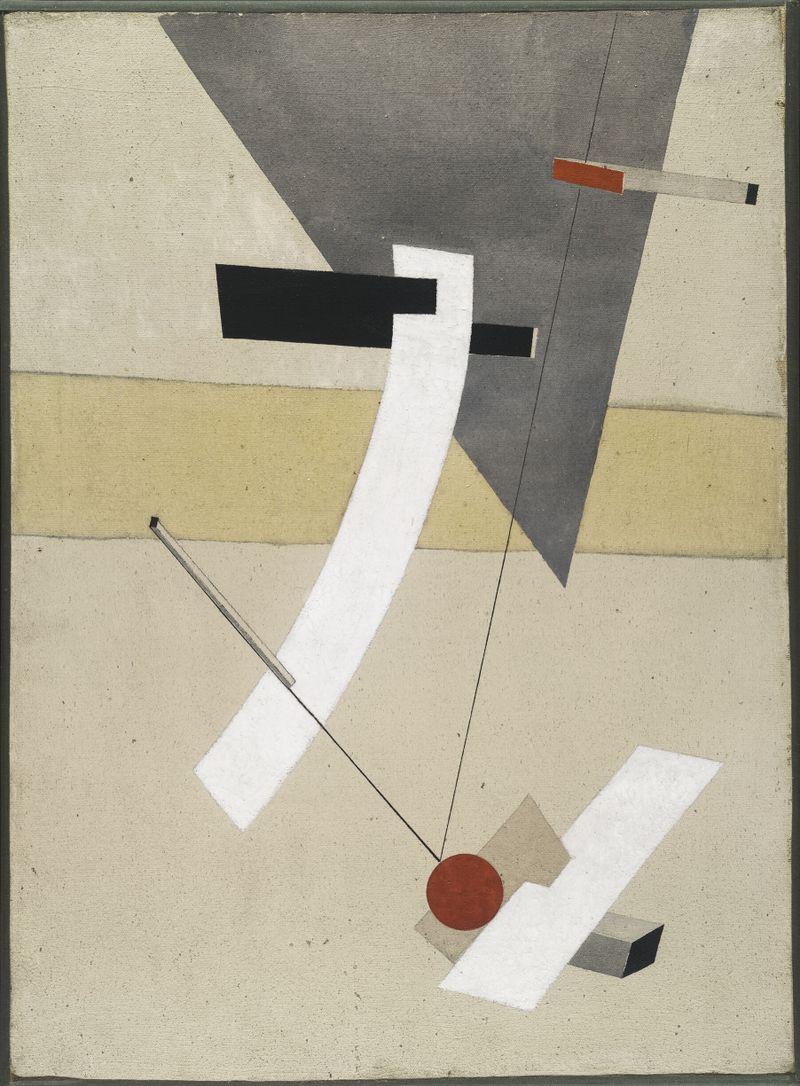
What secret hides in the quiet of the canvas? A whispering illusion, perhaps, where reality teeters on the edge of abstraction. Look closely at the intricate lines that intertwine across the surface; each stroke invites your gaze to dance among the delicate swirls and sharp angles. Notice how the soft, muted palette draws you in, creating a gentle atmosphere that belies the complexity beneath. The composition, seemingly simple at first glance, reveals layers of depth and texture that compel you to explore further, much like peeling back the layers of an enigmatic riddle. As you delve deeper, observe the tension between clarity and obscurity.
The foreground seems to shimmer with life, while the background fades into a dreamlike haze, blurring the lines of perception. This duality speaks to the human experience—our attempt to find meaning in a world often steeped in uncertainty. The careful balance of light and shadow enhances this emotional undertow, creating a sense of stillness that resonates with introspection. A.
Brandt created this work in 1835, a period marked by a burgeoning interest in both realism and romanticism in art. Amidst his exploration of illusion and depth, Brandt was navigating a landscape of artistic evolution, as traditional techniques met the stirrings of modern expression. His innovative approach reflected the era's spirit—an inquiry into the nature of perception itself, revealing the artist's own quest for truth amid a complex world.