Painting — History & Facts
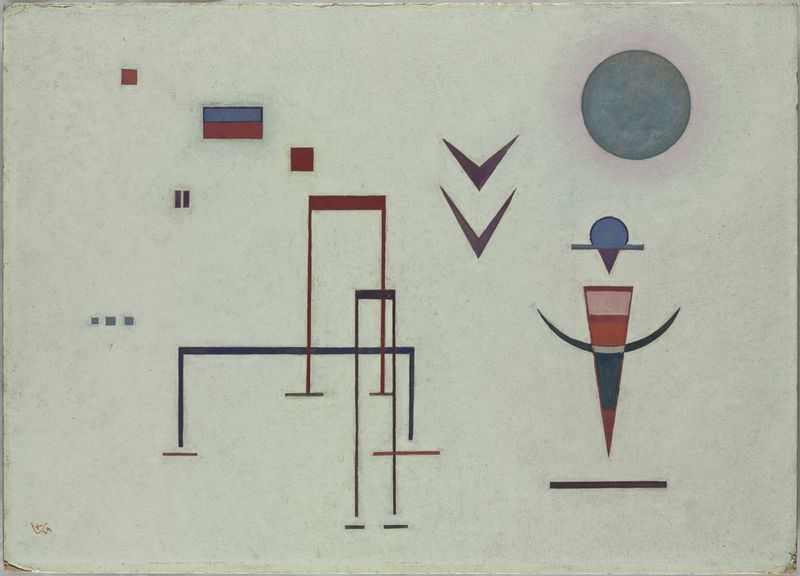
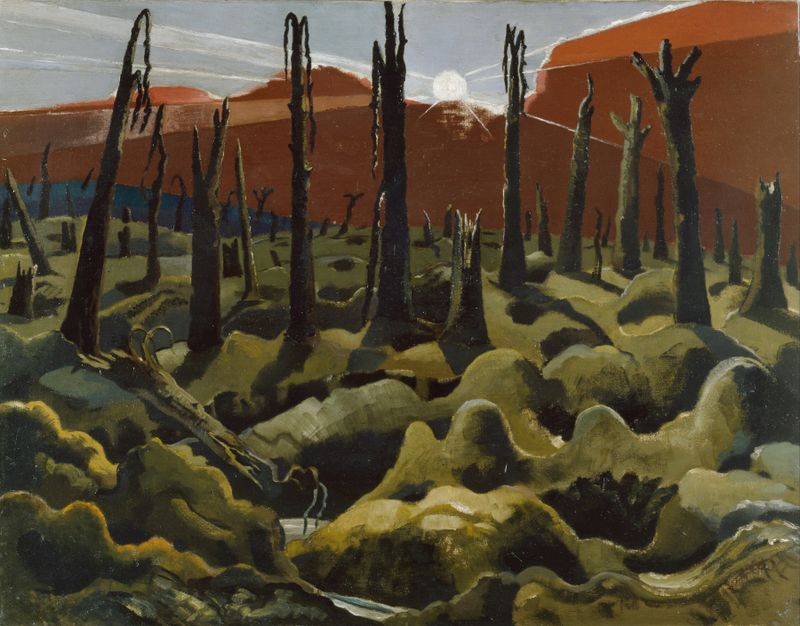
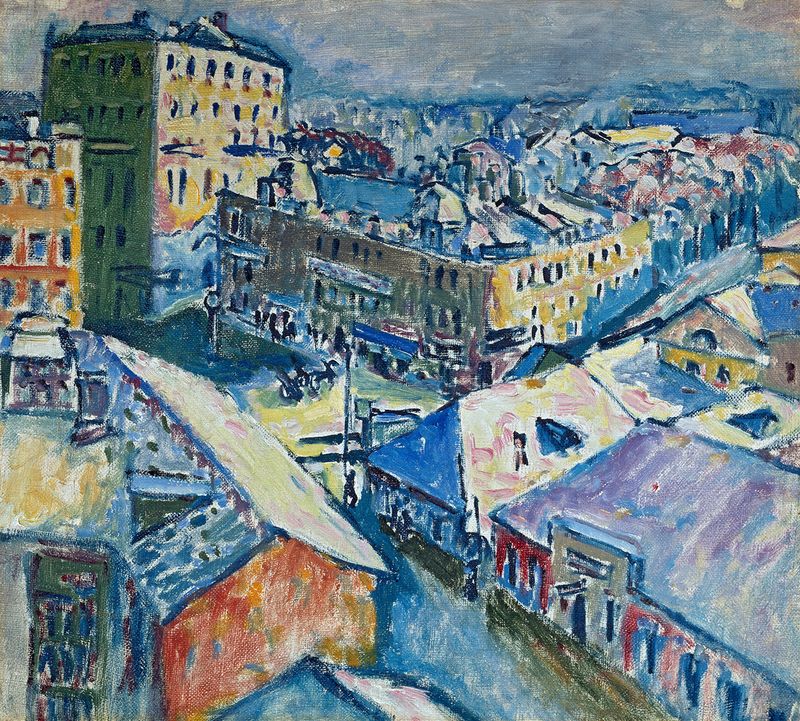
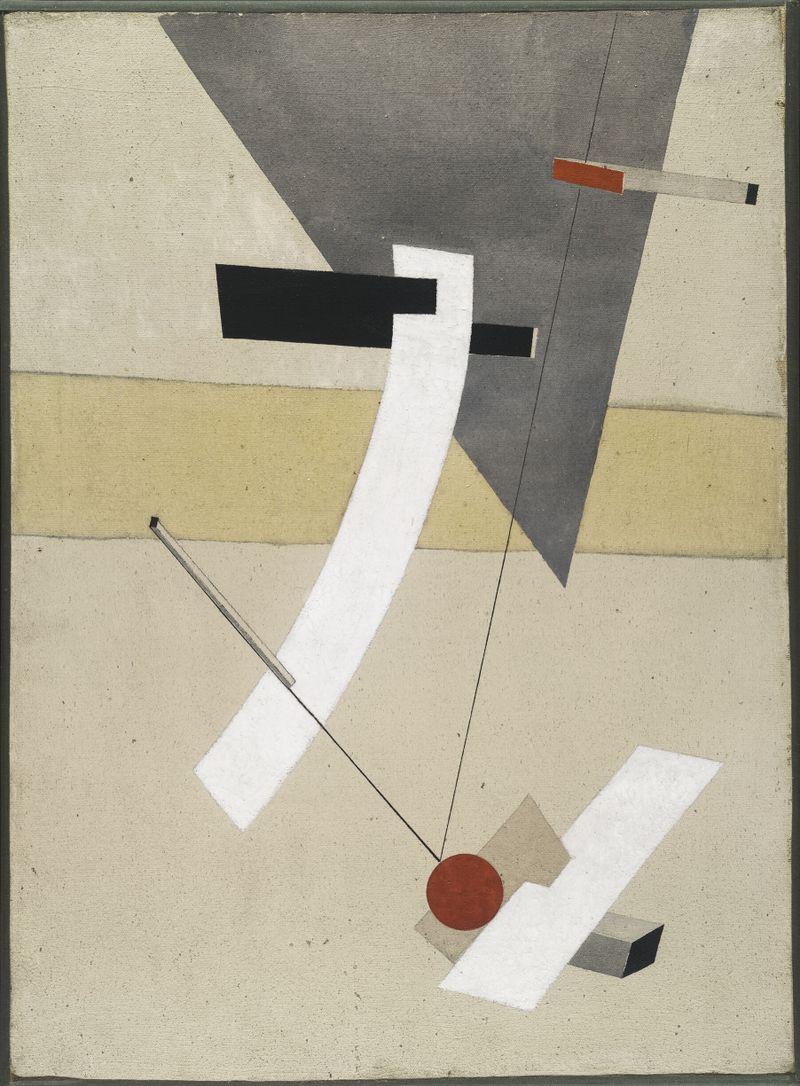
When did color learn to lie? In Painting, a deceptive arrangement of hues challenges our perception, whispering secrets cloaked in vibrant allure. Fear and uncertainty ripple beneath the surface, urging viewers to question the sincerity of beauty. Look to the center, where a swirl of electrifying reds and unsettling blacks collide, creating an unsettling harmony that draws the eye. The chaotic brushstrokes seem almost alive, vibrating with unarticulated emotions.
Notice how the lighter tones flicker at the edges, perhaps hinting at a fragile peace that is constantly overshadowed by the encroaching darkness. The artist’s choice of a frenzied composition reflects a tumultuous inner world, inviting us to confront the visceral tension that lies beyond the visible. Delve deeper into the shadows and you'll find subtle contrasts—a glimpse of a wistful blue peeks out, a color often associated with calm, yet here it feels like a haunting reflection of what once was. The juxtaposition of light and dark not only emphasizes the emotional conflict but also embodies the fear of loss, of beauty turned grotesque.
Each element seems to pulse with a heartbeat of anxiety, imploring us to engage with our own vulnerabilities. Hans Kohlschein painted Painting during a time of personal and artistic exploration, likely in the mid-20th century when the art world was navigating the complexities of expressionism and abstraction. This period was marked by a search for authenticity and a response to societal fears post-World War II. In this transformative milieu, the artist sought to unravel the layers of emotion and identity, ultimately giving us a raw reflection of human frailty.