Painting — History & Facts
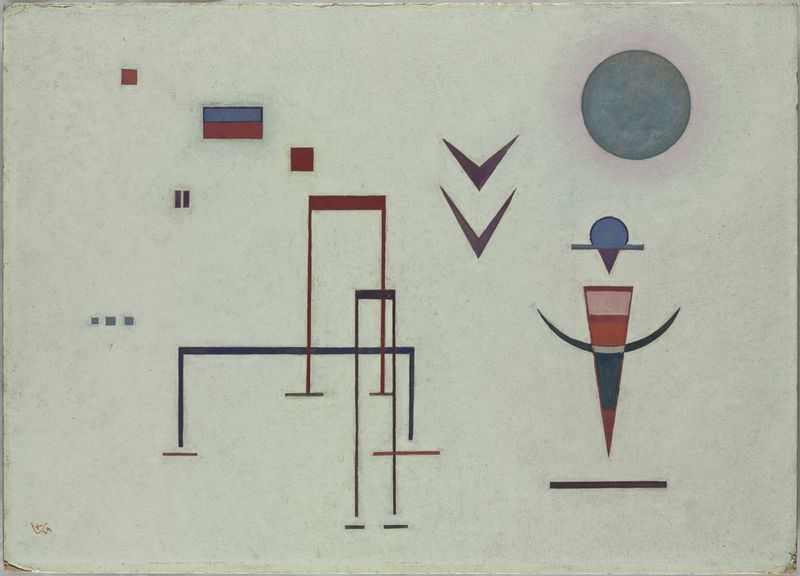
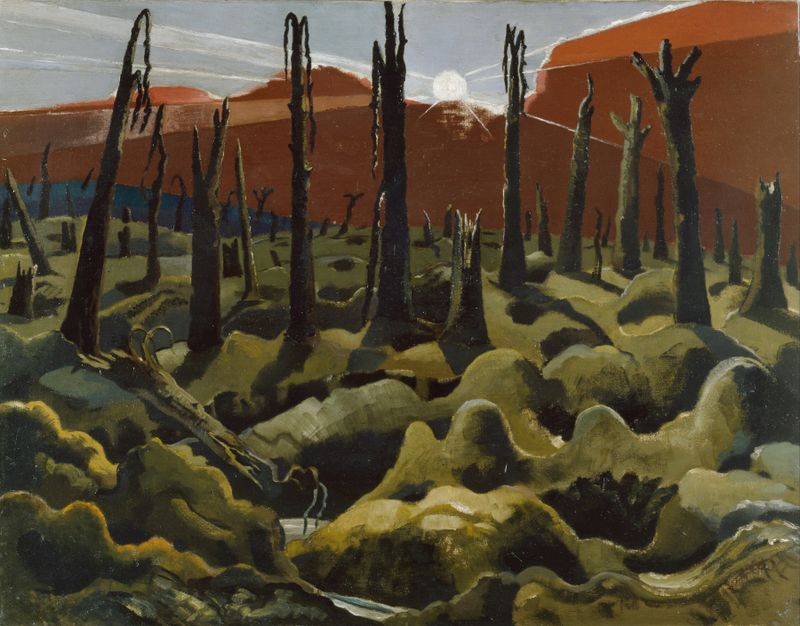
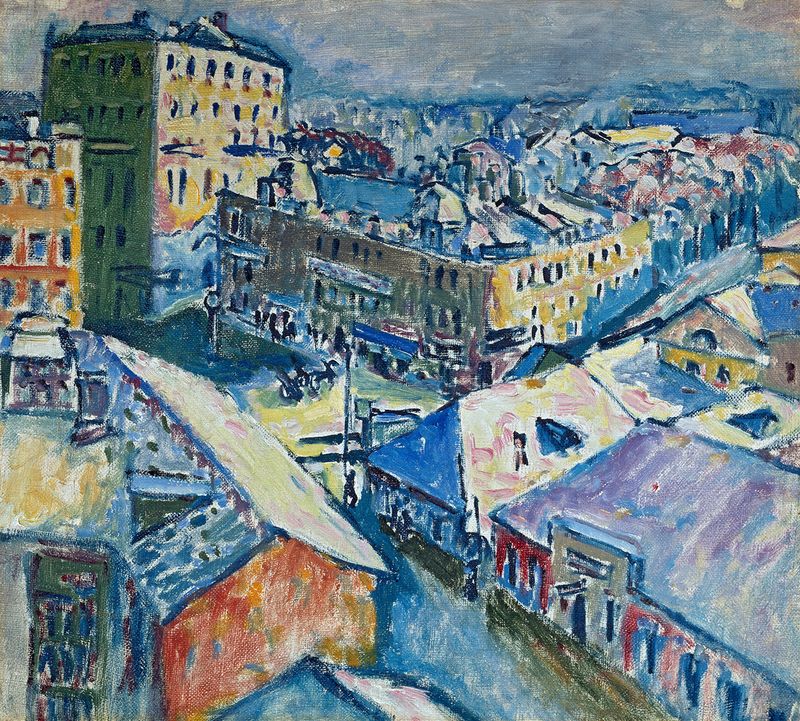
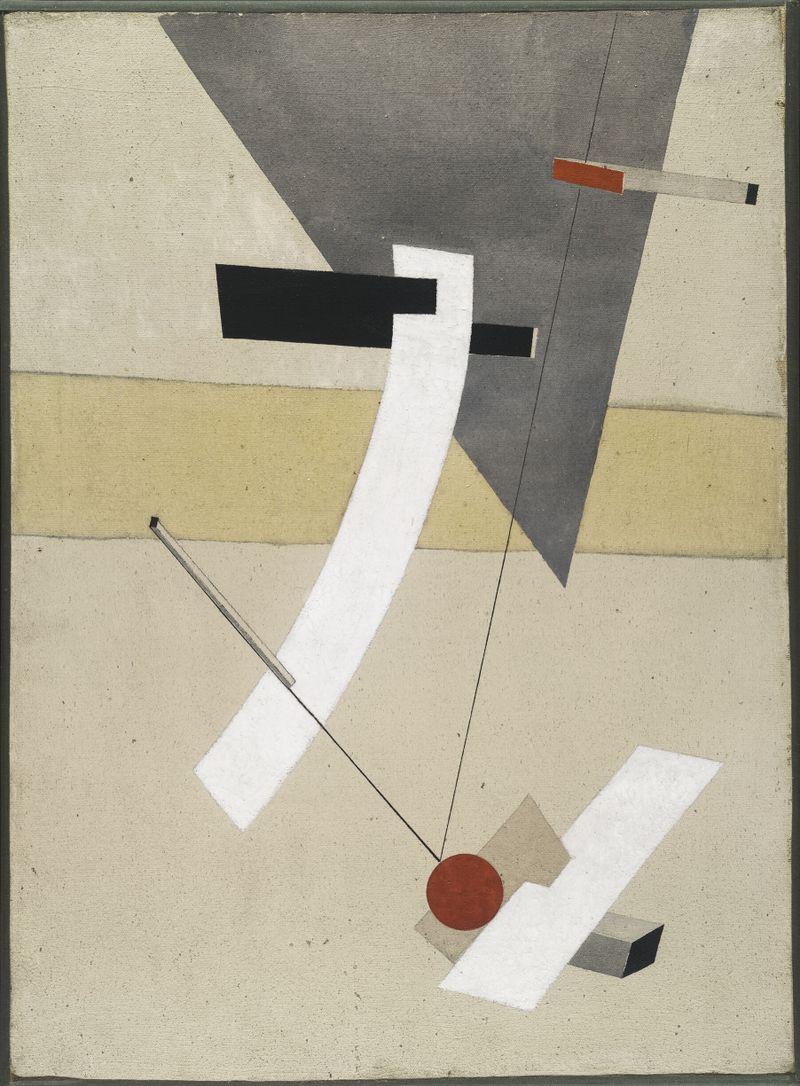
What if beauty was never meant to be finished? In this moment suspended in time, we’re invited to contemplate balance—in artistry, in life, and in the human experience itself. Look closely at the center of the piece, where the interplay of light and shadow creates an intriguing dialogue. Notice how the soft hues blend seamlessly while sharp contrasts evoke a sense of tension. The composition is meticulously arranged, leading your gaze through a choreography of forms that feels both deliberate and spontaneous.
Each stroke and photographic element highlights a search for equilibrium, urging you to question how we define and perceive beauty. The subtle details reveal deeper meanings: the juxtaposition of light and dark symbolizes the dualities we navigate in life. A delicate balance is struck between chaos and harmony, inviting the viewer to reflect on moments of instability and resolution. The careful selection of colors, from muted pastels to bold shades, echoes the emotional weight of this exploration—the fragility of perfection and the acceptance of imperfection. Adolf Cracks created this work in Münster-Nienberge in 1934, a time when the world was on the brink of immense change.
The rise of modernism in art was challenging traditional norms, while society was grappling with the impending tumult of war. In this context, the artist sought to capture a moment of balance, both as a reflection of personal exploration and a broader commentary on the shifting landscape of creativity and human emotion.
More works by Cracks, Adolf, Münster-Nienberge, photographer