Painting — History & Facts
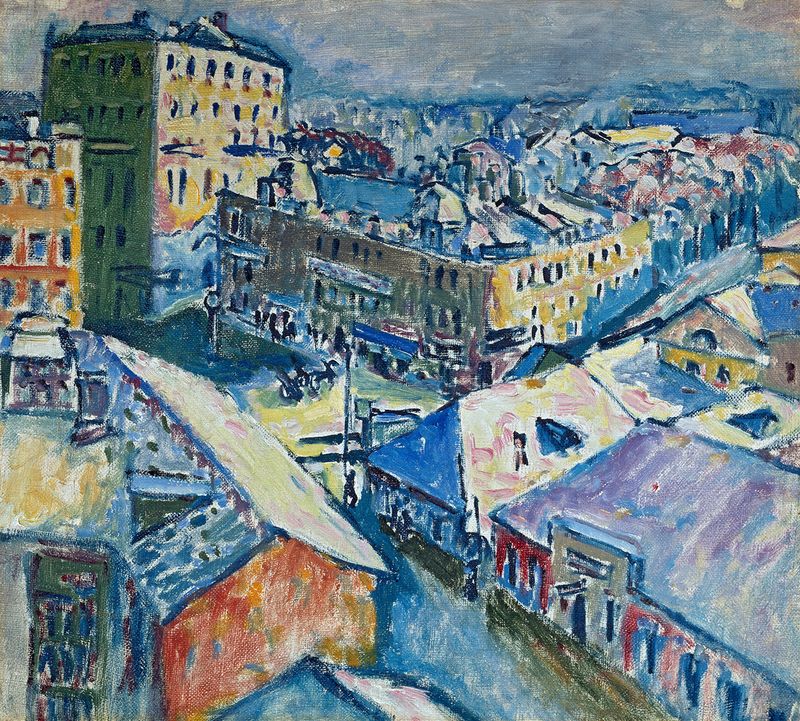
Can paint confess what words never could? In the complex layers of reality and illusion, beauty emerges as both a subject and an elusive truth. Look to the center of the canvas, where vibrant swirls of color pulse with life and energy. The bold strokes intertwine, creating a dance between form and abstraction that invites the viewer in. Colors transition from deep blues to radiant yellows, allowing the eye to wander across textured surfaces, revealing a kaleidoscope of emotion.
The interplay of light and shadow provides depth, while the energy of the brushwork conveys a sense of urgency and intimacy. Beneath the surface, the painting speaks to the duality of beauty—both captivating and fleeting. The tumultuous strokes seem to suggest moments of turmoil, juxtaposed against the serene hues that offer solace. There exists a tension between chaos and harmony, prompting reflections on the nature of beauty itself: is it merely a fleeting glimpse or a deeper, more enduring presence? Each detail resonates with questions about perception and reality, inviting onlookers to confront their own interpretations. In 1964, Goetz was immersed in the heart of the post-war art movement, living in Paris, where abstraction flourished amid a milieu of innovation.
This period marked a significant shift in his artistic journey, as he sought to explore new dimensions of experience. The world of art was evolving, and his commitment to transforming emotional and spiritual experiences into visual language was a testament to the era’s exploration of identity and expression.