PAINTING and DESIGN — History & Facts
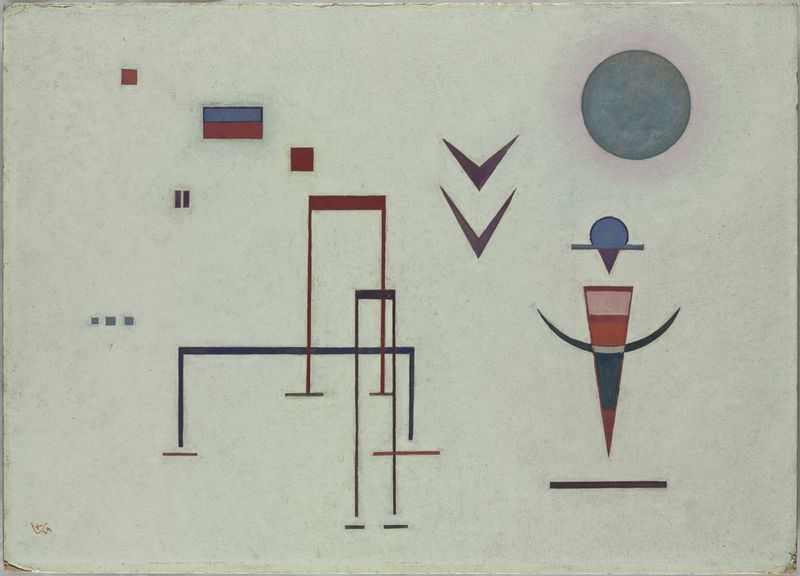
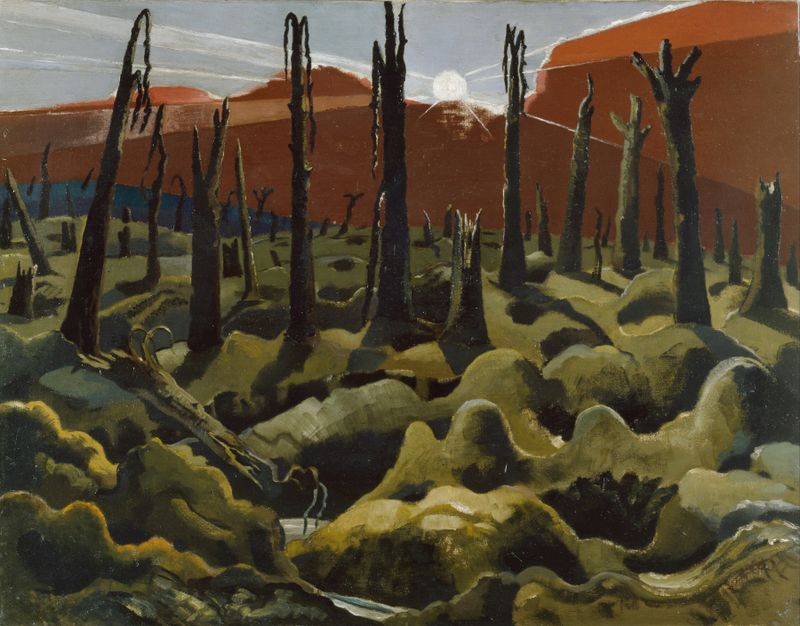
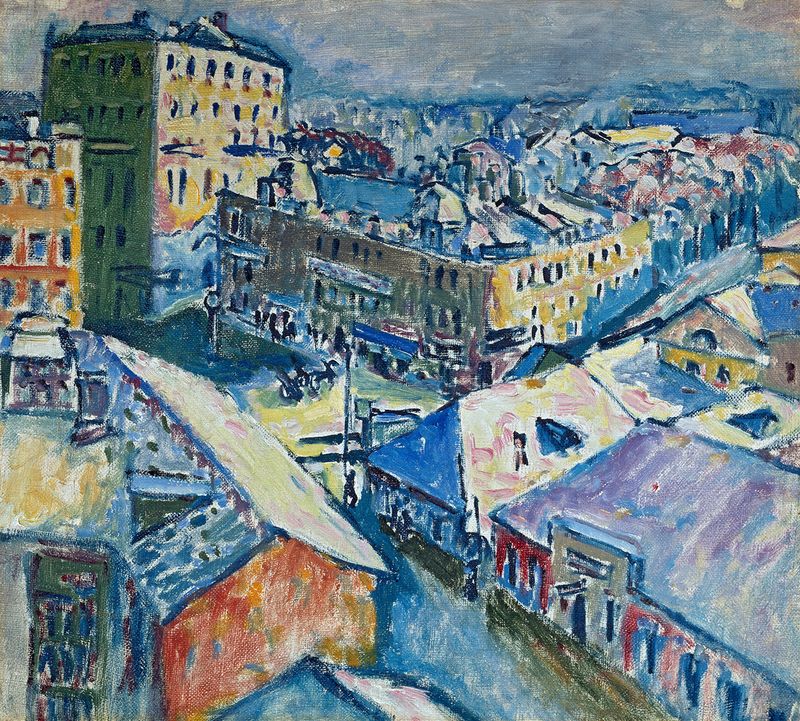
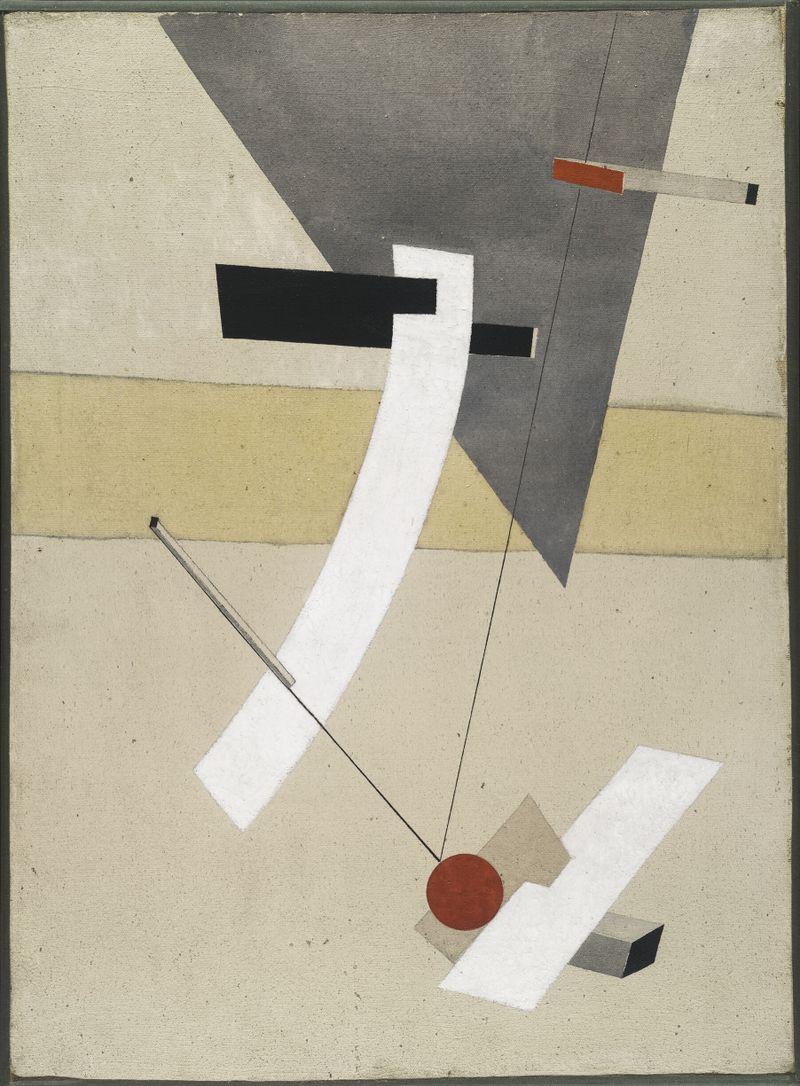
Could beauty survive in a century of chaos? The question resonates deeply, echoing through the layers and textures of this remarkable work. Within its confines lies a poignant exploration of innocence, a delicate thread woven amid tumultuous experiences. Look closely at the intricate interplay of forms and colors. The composition draws you in, urging your gaze to follow the gentle curves and bold lines that interlace across the canvas.
Notice how the artist employs a vibrant palette, where soft pastels contrast with striking hues, creating a visual dialogue that is both inviting and confrontational. The careful arrangement of elements evokes a sense of harmony even amidst discord, beckoning viewers to discover their own interpretations of this paradox. Delve deeper, and you will uncover the emotional tensions embodied in the juxtaposition of light and shadow. The brightness that illuminates certain areas reflects the fragility of innocence, hinting at the vulnerability inherent in beauty.
Yet, as darker tones encroach, a sense of foreboding emerges, suggesting that this purity is always at risk of being overshadowed by the chaos that surrounds it. The artist masterfully captures this tension, allowing viewers to feel the weight of both hope and despair. In an unknown period, the artist crafted this piece at a time when the art world was evolving, confronting new styles and philosophies. The social landscape was marked by upheaval, as traditional values clashed with modern ideas.
This work stands as a testament to the resilience of beauty and innocence amidst uncertainty, a reflection of the artist's own experiences and the broader cultural conversations of the era.