Panel — History & Facts
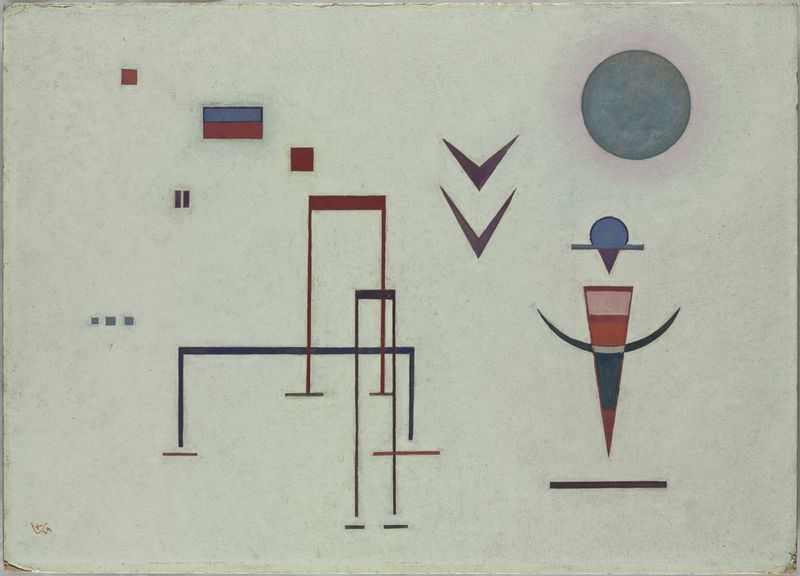
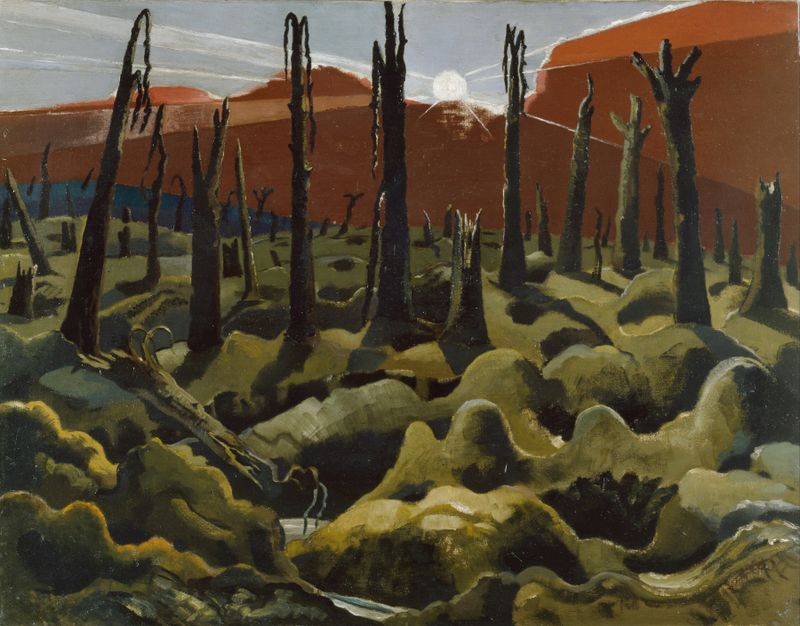
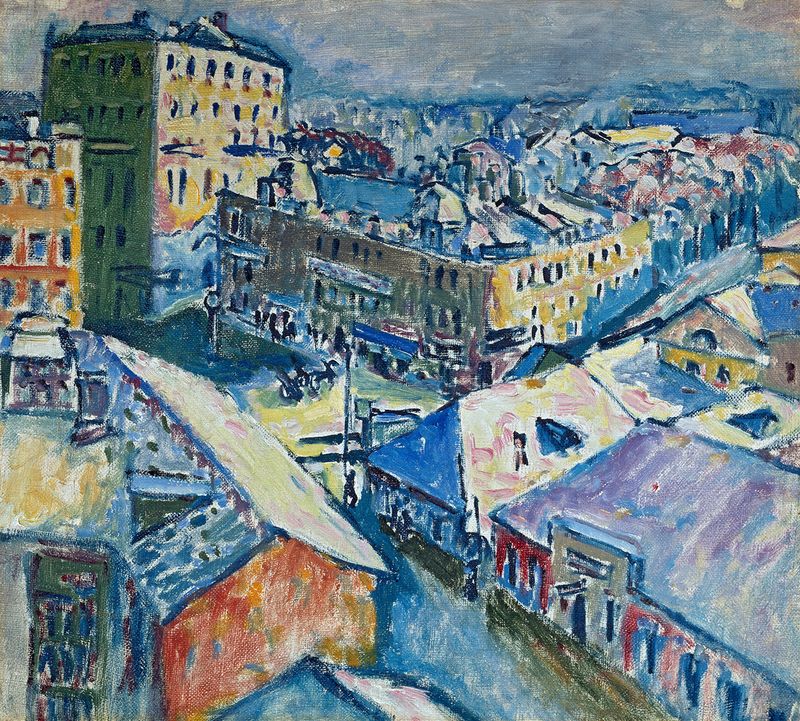
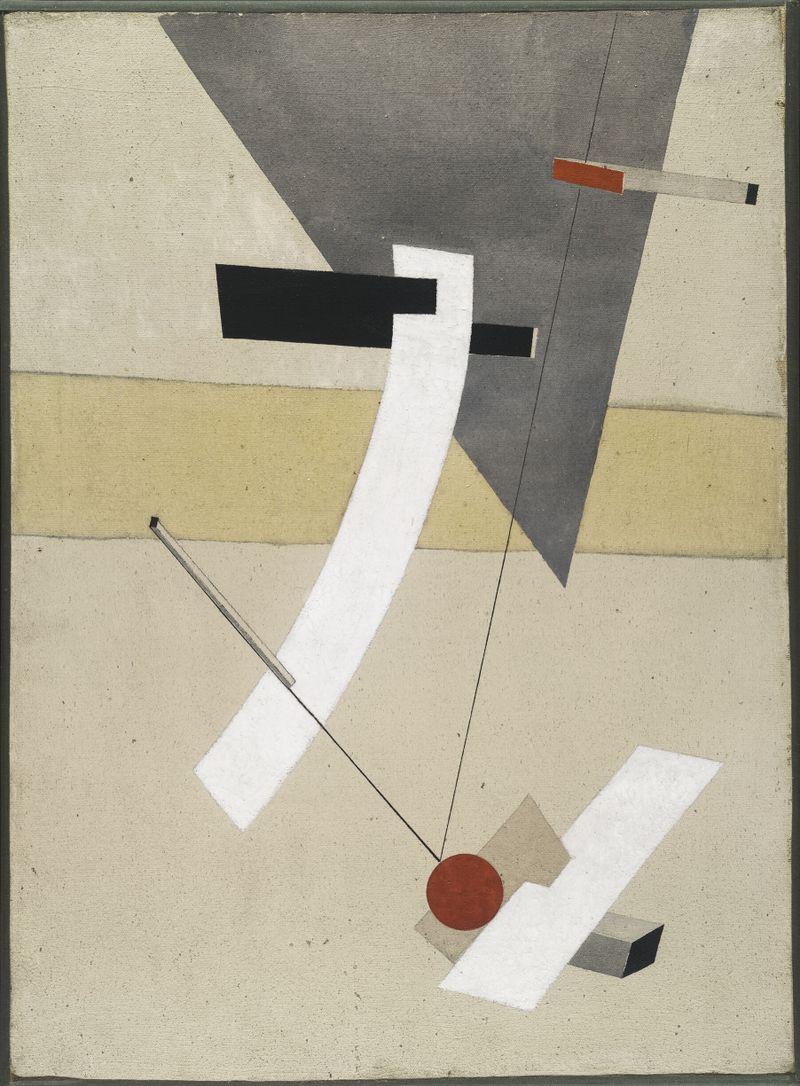
When did color learn to lie? In a world where motion and stillness collide, the essence of movement is captured in vibrant hues that pulse with energy, inviting a deeper exploration of truth and illusion. Look to the center of the piece, where swirls of brilliant reds and yellows converge, creating an almost hypnotic vortex. The brushwork is dynamic, explosive even, suggesting that the colors themselves are alive and in constant motion. Notice how the contrasting cool blues and greens frame this whirlwind, grounding the viewer while simultaneously igniting a sense of tension.
The composition pulls the eye into a dance, as layers of paint seem to ripple across the canvas, blurring the lines between form and formlessness. Delve deeper into the juxtaposition of sharp edges and soft transitions; they symbolize the duality of life—chaos and calm, clarity and distortion. Each stroke unravels stories, evoking a sense of urgency akin to the fleeting moments of existence. This artwork is not merely decorative; it challenges perception, prompting questions about what is real and what is merely an illusion of motion. In the 19th century, Panel emerged from the innovative mind of its creator while they were immersed in the exploration of color theory and abstraction.
This period was a time of transformation in the art world, as artists began to break free from traditional boundaries, seeking new ways to express the human experience. As a result, this piece stands at the crossroads of history, embodying an evolving dialogue about form, color, and the nature of reality itself.