Park with Country House — History & Facts
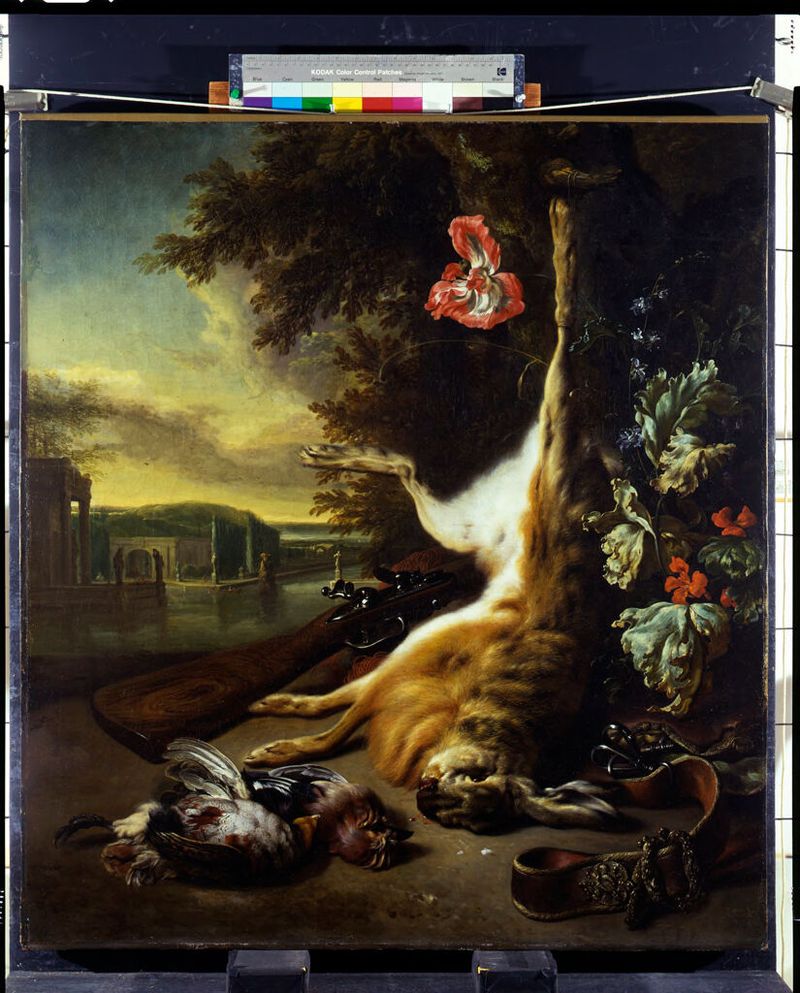
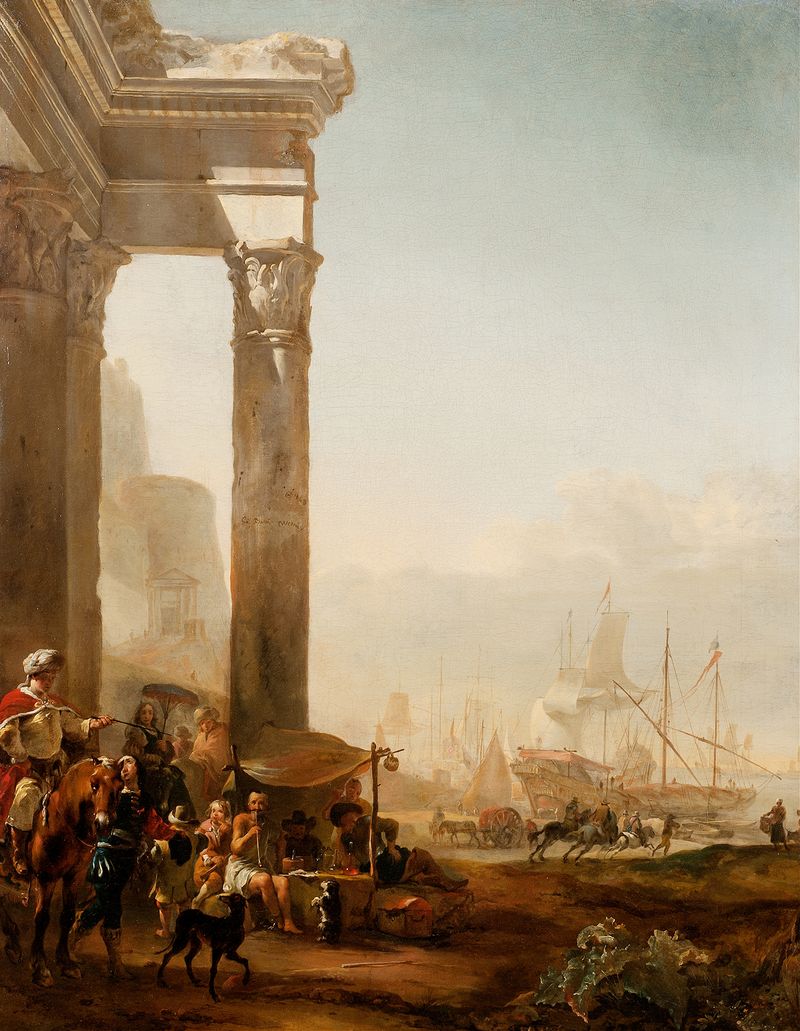
In the stillness of Park with Country House, the layers of life and death resonate profoundly, inviting us to contemplate the fleeting nature of our existence. Look to the left at the majestic country house, its structure standing resolutely against a backdrop of lush greenery. The brilliant strokes of greens and browns create a tapestry of life, punctuated by the delicate touches of light filtering through the trees, indicating a tranquil afternoon. As your gaze sweeps across the canvas, notice the interplay of shadow and sunlight, which elegantly highlights the ornate detailing of the architecture, drawing the viewer into a world where nature and human creation coexist harmoniously. Beneath its picturesque surface lies a deeper tension between the vibrancy of the landscape and the inevitable passage of time.
The carefully rendered animals at play remind us of nature's vitality, yet their juxtaposition with the man-made dwelling suggests the transience of human endeavors. Moments captured in the lush foliage reflect ephemeral beauty, hinting at the fleeting nature of life itself—a reminder that even the most idyllic scenes are touched by mortality. During the years spanning 1670 to 1719, Weenix immersed himself in the genre of landscape painting, primarily in the Netherlands. This period featured an increasing fascination with the natural world and its representation, as artists sought to elevate the beauty of their surroundings.
Amidst the transition from Baroque to a more delicate Rococo style, Weenix’s work stands as a testament to the duality of nature and civilization, reflecting his own journey and the evolving landscape of art.