
Partie am Mondsee — History & Facts
Can beauty exist without sorrow? In Partie am Mondsee, the essence of transformation intertwines joy with an undercurrent of reflection, suggesting that all moments of grace carry whispers of deeper meaning. Look to the center of the canvas where figures emerge in vibrant hues, their postures infused with both celebration and contemplation. The shimmering surface of the Mondsee reflects a kaleidoscope of colors, drawing the eye to the interplay of light and water. Notice how the composition balances figures in lively interaction against the serene backdrop, creating a dynamic tension that hints at the complexities of human experience. Delve deeper into the details: the way the sunlight dances upon the lake’s surface echoes the fleeting nature of joy, while the weary expressions of some figures provoke a sense of longing.
The foliage surrounding the scene appears lush yet restrained, symbolizing that the beauty of moments shared is often tinged with the bittersweet. This duality invites the viewer to ponder what lies beneath the surface, where joy and sorrow coexist in the tapestry of life. Chwala painted this piece during a transformative period, likely in the early 20th century, a time when artists were increasingly exploring the interplay of light and emotion in their work. Living in Austria, he was influenced by the emerging modernist movements that sought to capture the essence of human experiences.
This backdrop of change and introspection echoes through the canvas, inviting viewers to reflect on their own moments of beauty and transformation.
More Artworks by Adolf Chwala
Browse all →
A View of lake Hintersee (Ramsauer Ache), in the background mount Halskopf
Adolf Chwala
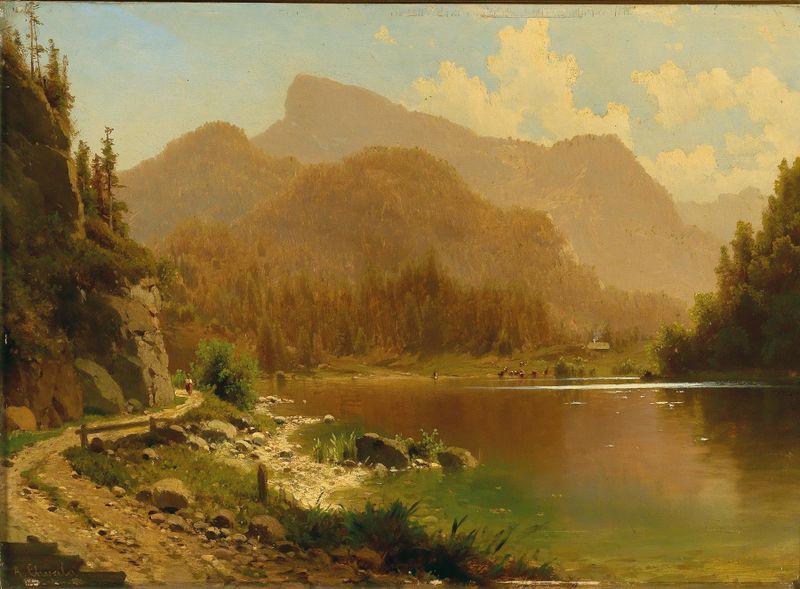
The Krottensee with View of the Schafberg
Adolf Chwala

A River Landscape at Sunset
Adolf Chwala
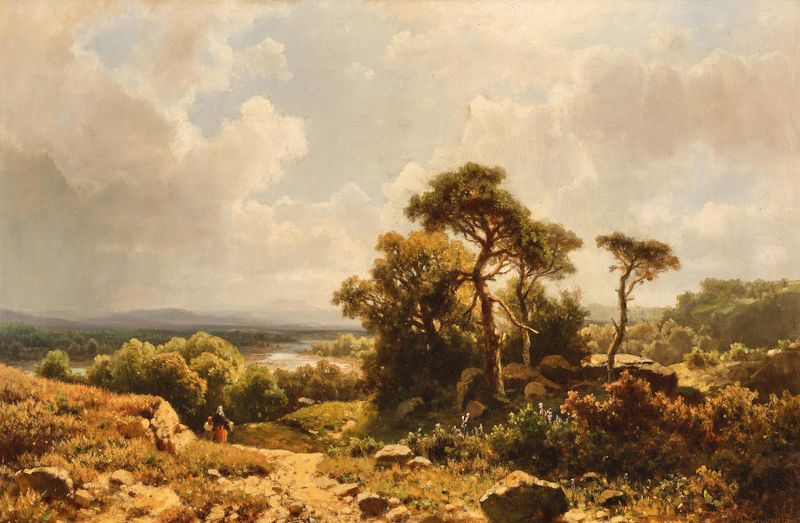
A view of the countryside
Adolf Chwala
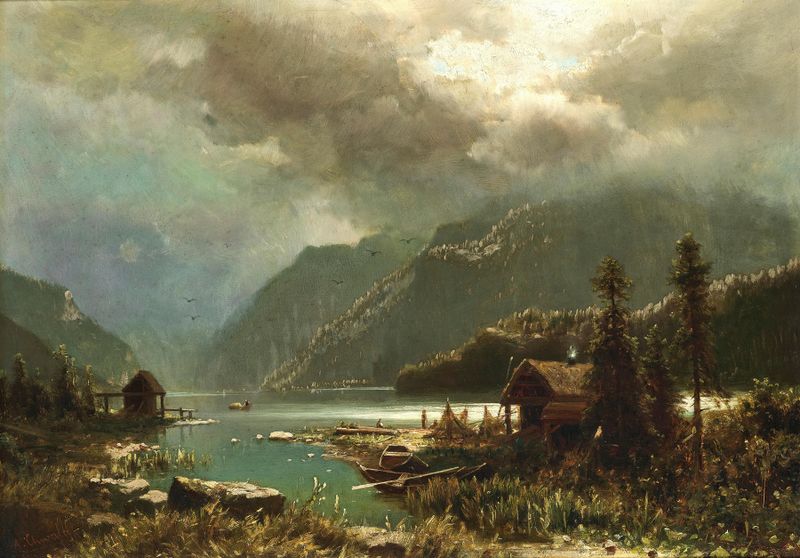
A Lake in a Moonlit Night
Adolf Chwala

Landscape with cows at a water hole
Adolf Chwala
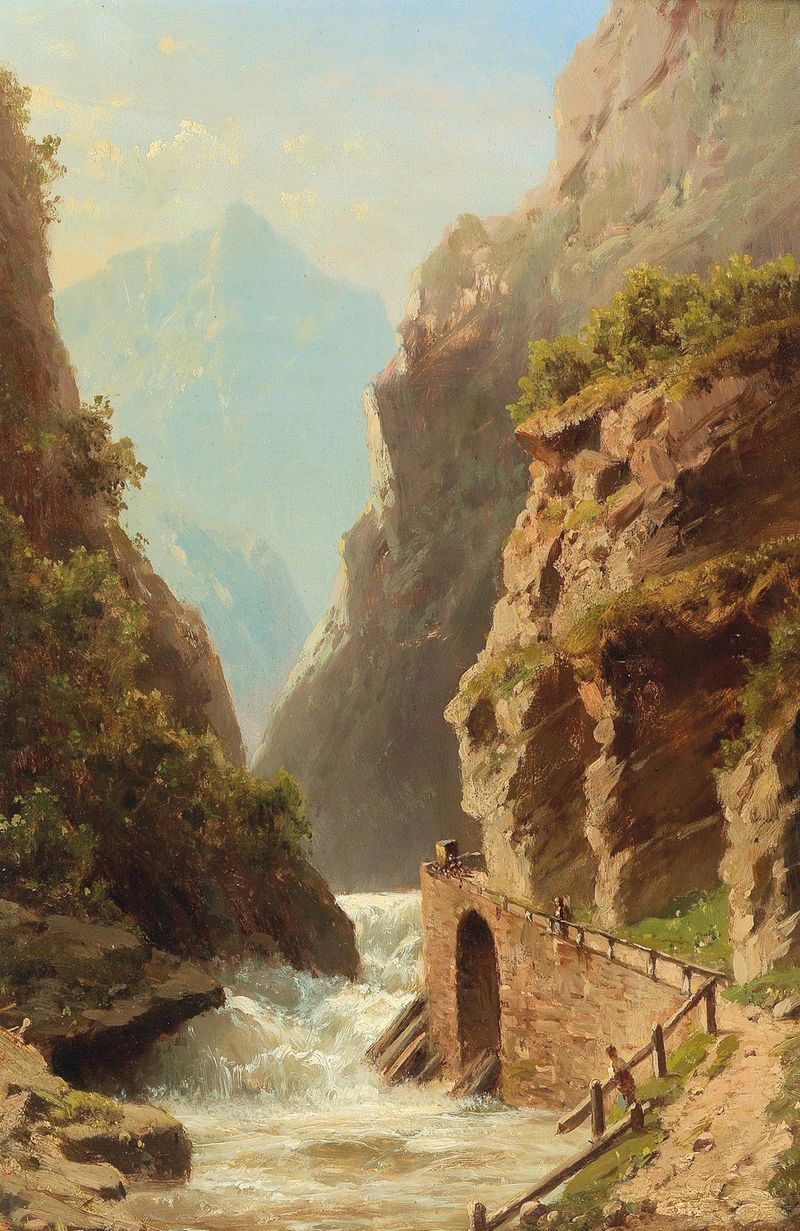
Path On A River Shore
Adolf Chwala
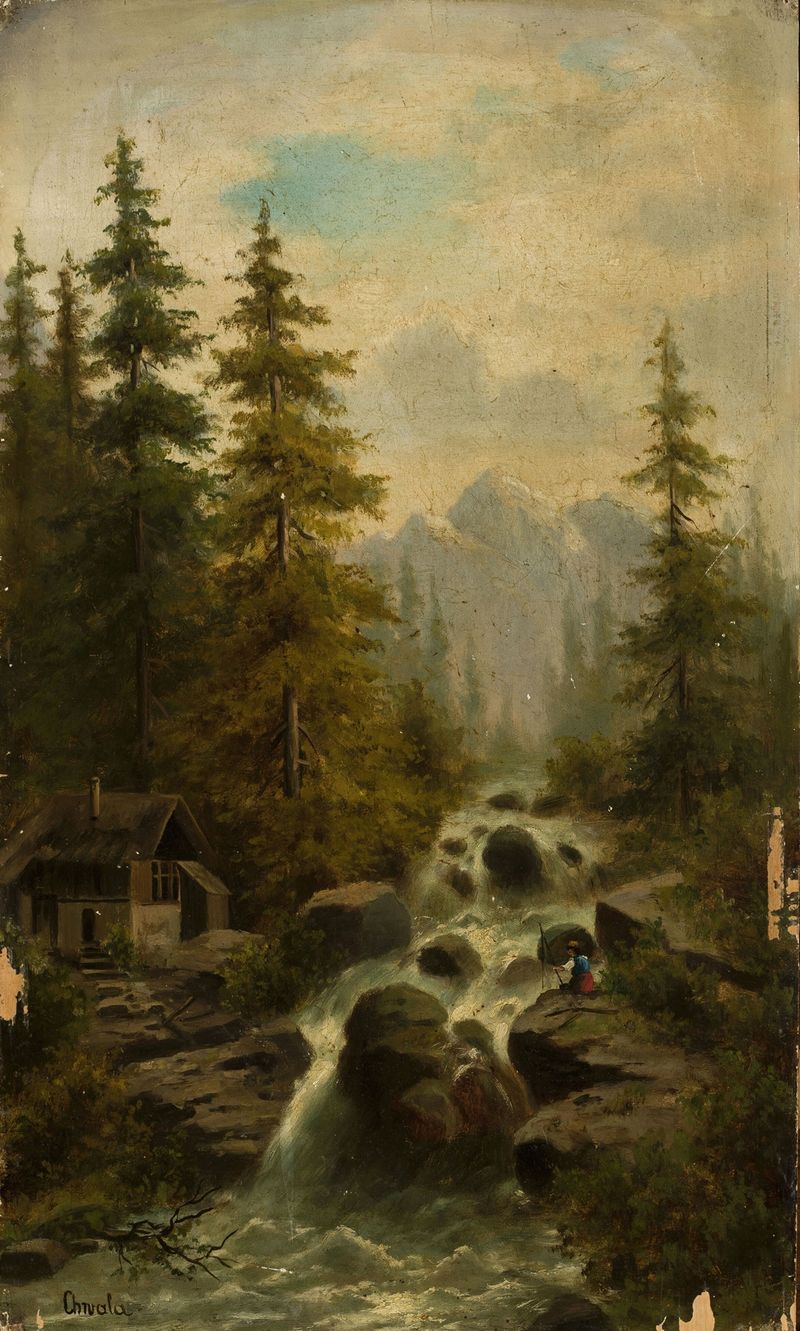
Mountain landscape with a waterfall
Adolf Chwala

A Lake Landscape
Adolf Chwala
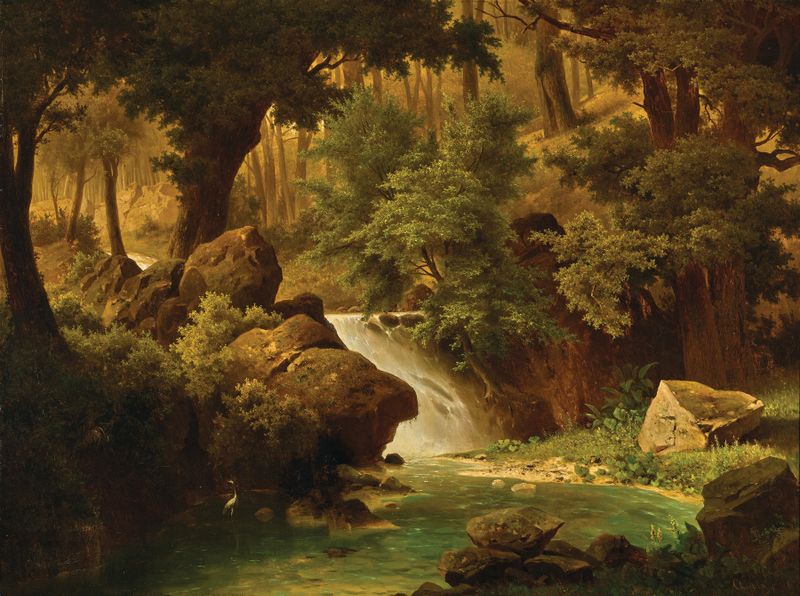
A Rocky Landscape with a River
Adolf Chwala





