
Pastorale — History & Facts
In the serene stillness of Pastorale, we confront the delicate dance of destiny and tranquility, inviting us to pause and reflect on the quiet whispers of life. Look to the center, where a trio of figures emerges from a lush green landscape, their soft forms interwoven with nature. The gentle curves of their bodies harmonize with the surrounding foliage, painted in vibrant greens and warm earth tones. Notice how the light filters through the trees, casting a soft glow that caresses their skin, illuminating the scene with an ethereal quality.
The compositional balance between the figures and the natural world creates a dialogue, as if they are both participants and spectators in this pastoral bliss. Delve deeper into the subtleties of the canvas, where each brushstroke carries the weight of emotion. The serenity of the scene contrasts the inner turmoil of human experience; the figures’ calm stances mask the uncertainties of fate. The way their hands gesture toward the viewer hints at unspoken thoughts and desires, inviting us to ponder the relationship between humanity and nature, and what destiny holds for each.
The cyclical patterns of the landscape suggest continuity, echoing the inevitable passage of time and the intertwining of lives. In 1908, Ker-Xavier Roussel was in the midst of exploring new avenues in symbolist art, deeply influenced by the landscapes of his native France. Painting Pastorale during a time of social change and artistic experimentation, he sought to capture the essence of harmony within nature and the human spirit. This piece reflects not only Roussel's personal journey but also the broader currents in the world of art, where reality and symbolism coalesced in profound ways.
More Artworks by Ker-Xavier Roussel
Browse all →
La Source
Ker-Xavier Roussel

Baigneuses
Ker-Xavier Roussel
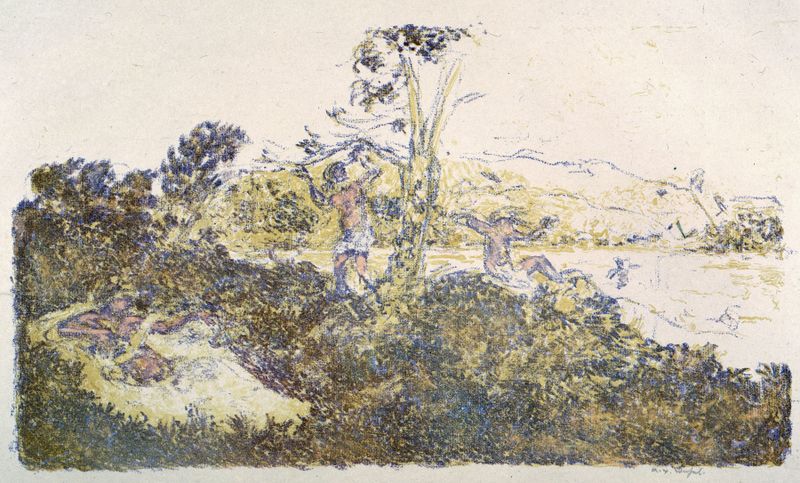
Personnages au bord de la mer
Ker-Xavier Roussel

Faunes et nymphes dans un chemin forestier
Ker-Xavier Roussel
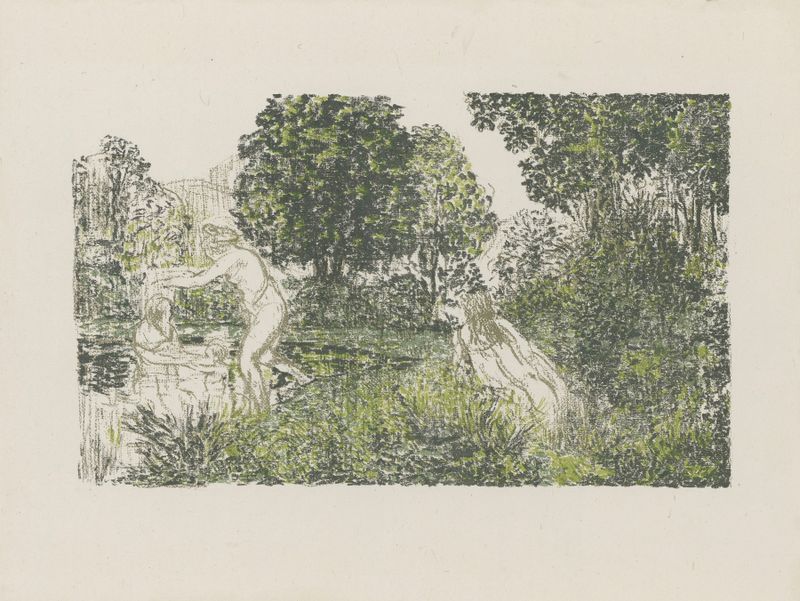
Baigneuses
Ker-Xavier Roussel
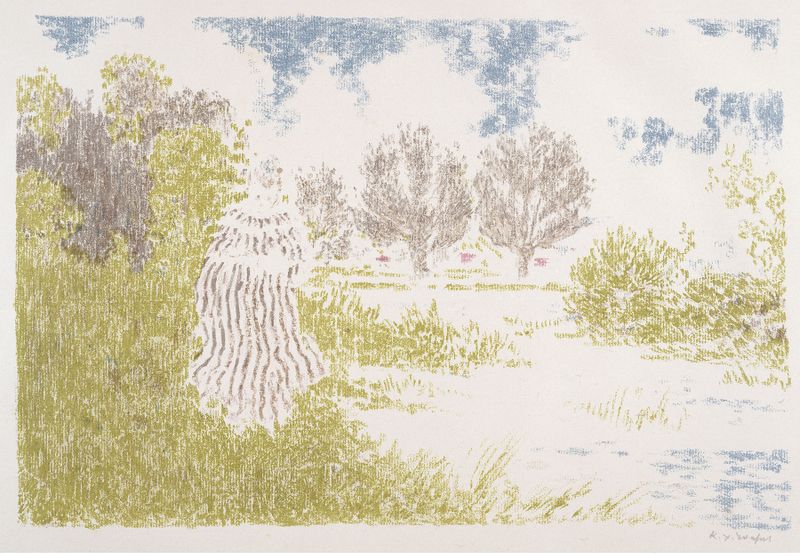
Femme en robe à rayures
Ker-Xavier Roussel

Deux femmes assises dans un paysage de l’Ile de France
Ker-Xavier Roussel
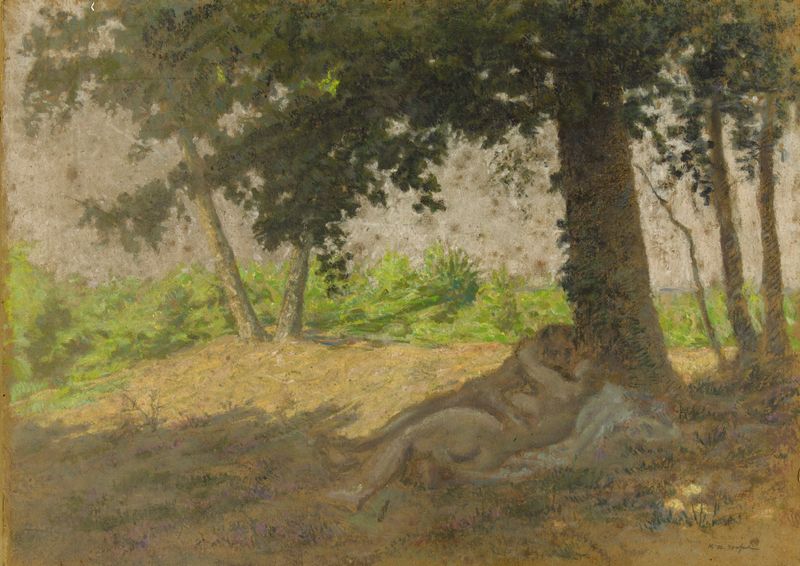
Couple enlacé couché dans un paysage
Ker-Xavier Roussel

Femme en rouge dans un paysage
Ker-Xavier Roussel

Femme en rouge dans un paysage
Ker-Xavier Roussel





