
Pavillon de l’Asie Russe — History & Facts
In the world of art, obsession often births beauty, and within this piece, that obsession is palpable. Look to the center of the canvas, where an intricate pavilion stands, adorned with delicate architectural details. The palette vibrates with hues of gold and azure, which envelop the structure in a warm embrace, creating a sense of allure and curiosity. Notice how the brushstrokes seem to pulse with life, each layer revealing subtle textures, inviting the viewer deeper into the intricacies of this Russian-inspired design. Beneath the surface, the painting speaks of contrasts: the rigid structure of the pavilion juxtaposes the fluidity of its surroundings, suggesting a tension between human creation and the natural world.
The chaotic interplay of colors hints at an inner turmoil, perhaps reflecting the artist’s obsession with capturing fleeting moments of beauty within a chaotic reality. Each element, from the ornamental details to the vibrant backdrop, contributes to an overarching narrative of longing and desire for perfection. During this period, the artist was exploring the boundaries of representation and abstraction. Although the exact date remains uncertain, it’s clear that the contemplative spirit of the early 20th century influenced his work.
As modernism began to reshape artistic expression, the pavilion became a sanctuary for the artist's imagination, encapsulating a profound yearning for connection within a rapidly changing world.
More Artworks by Pierre-Marcel Roy
Browse all →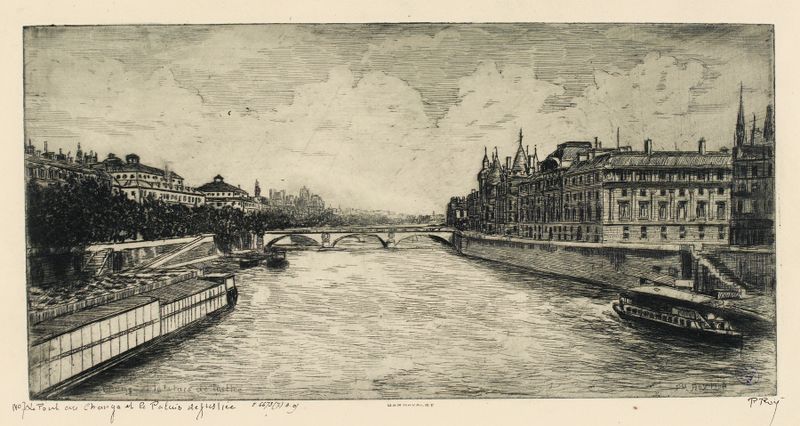
Le Pont au Change et le Palais de Justice
Pierre-Marcel Roy

La Sainte Chapelle
Pierre-Marcel Roy
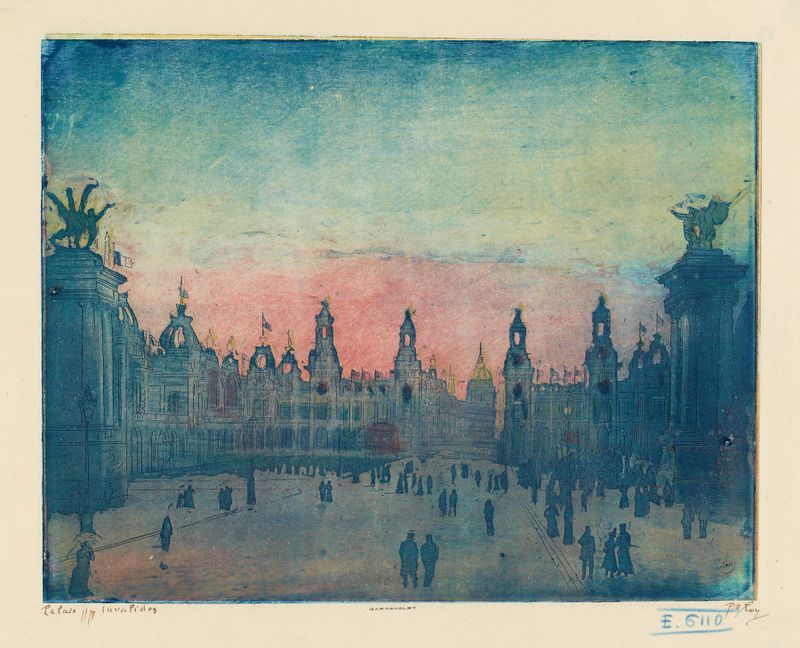
Palais des Invalides
Pierre-Marcel Roy

Eglise de Ste Eustache
Pierre-Marcel Roy

Pont Sully – Abside de Notre-Dame
Pierre-Marcel Roy

Place Maubert
Pierre-Marcel Roy

Palais d’Italie, de Norvège, d’Allemagne, d’Espagne et Roumanie
Pierre-Marcel Roy
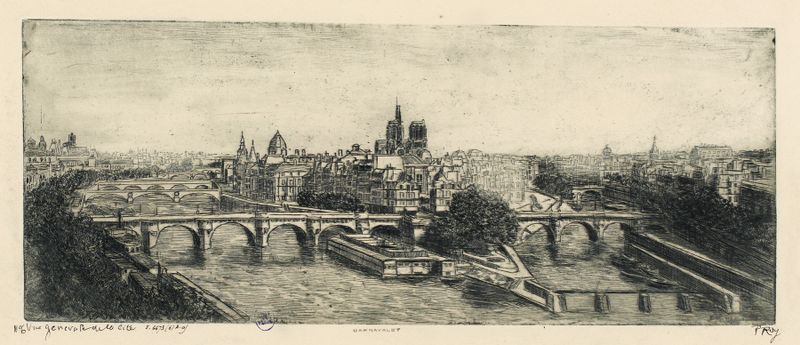
Vue générale de la Cité
Pierre-Marcel Roy

Palais de l’Electricité
Pierre-Marcel Roy
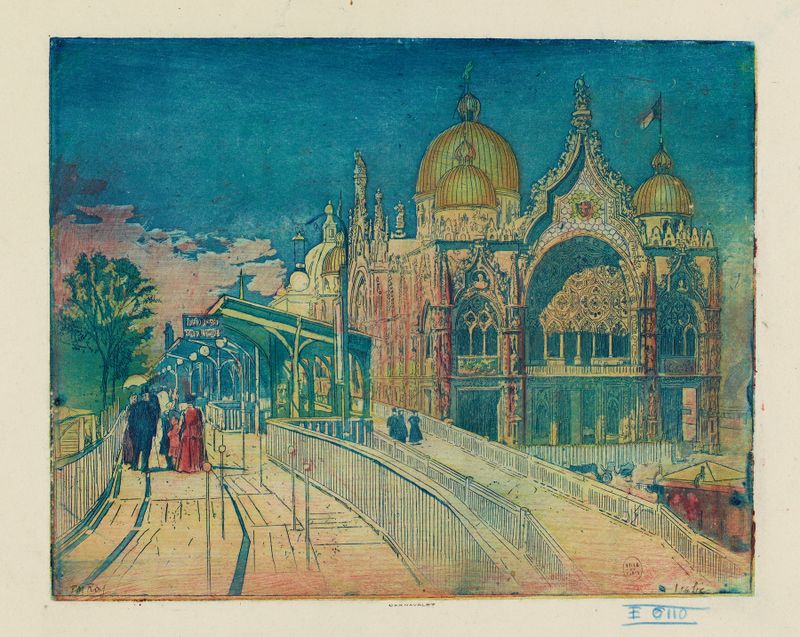
Pavillon de l’Italie
Pierre-Marcel Roy
More Architecture Art
Browse all →
The statue of Liberty
Frédéric Auguste Bartholdi

View of Houses in Delft, Known as ‘The Little Street’
Johannes Vermeer

View of Houses in Delft, Known as ‘The Little Street’
Johannes Vermeer

The Cathedral in Rouen. The portal, Grey Weather
Claude Monet

The yellow house
Vincent van Gogh

The Church in Auvers-sur-Oise, View from the Chevet
Vincent van Gogh