
Paysage aux lavandières — History & Facts
What if beauty was never meant to be finished? In the wake of societal upheaval, the canvas becomes a testament to the ephemeral nature of life and the revolution of art itself. Focus on the gentle hills that cradle this picturesque scene, where the eye is drawn first to the vibrant patches of lavender. Notice how the brushstrokes evoke movement, each stroke a whisper of breeze across the field. The soft, golden light bathes the landscape, contrasting with the deep greens, creating a harmonious balance that invites contemplation.
A sense of serene labor emerges, as the figures, clad in simple dresses, blend into the floral tapestry, embodying both the toil of their task and the joys of nature. Yet, beneath the surface charm lies an undercurrent of tension. The lavandières, with their graceful gestures, seem both connected to and isolated from their environment, representing the duality of existence—joy intertwined with labor. The lavender blooms, vibrant and alive, symbolize beauty's fleeting nature amidst the shadows of life’s realities.
This painting captures a moment just before the inevitable changes that revolution brings, holding the tension between tranquility and impending transformation. In the years following 1870, as France grappled with the aftermath of the Franco-Prussian War and shifting artistic ideals, Paul Désiré Trouillebert created this work in a period of introspection and innovation. The Impressionist movement was evolving, and artists began to explore the interplay of light and color more deeply. Trouillebert's choice to depict these washerwomen amidst the lavender field speaks to a desire to find beauty in the everyday, reflecting a world in flux while also celebrating the resilience of life.
More Artworks by Paul Désiré Trouillebert
Browse all →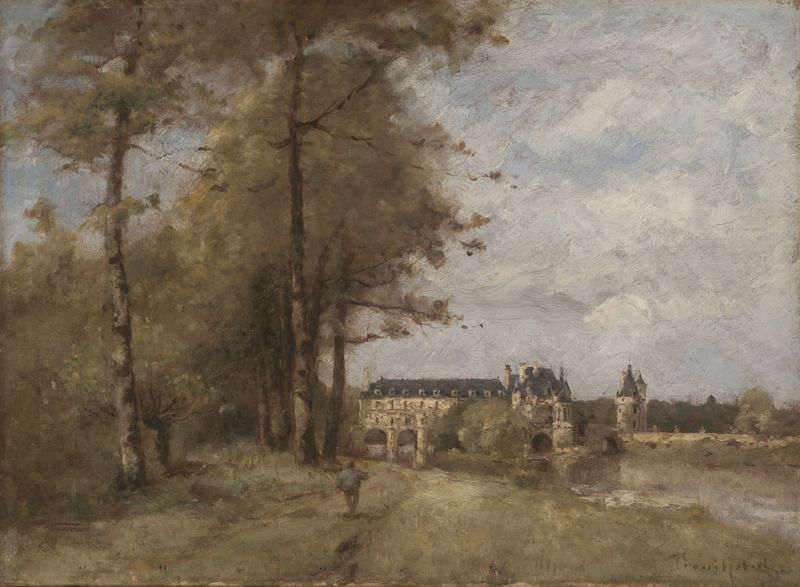
El castillo de Chenonceaux
Paul Désiré Trouillebert
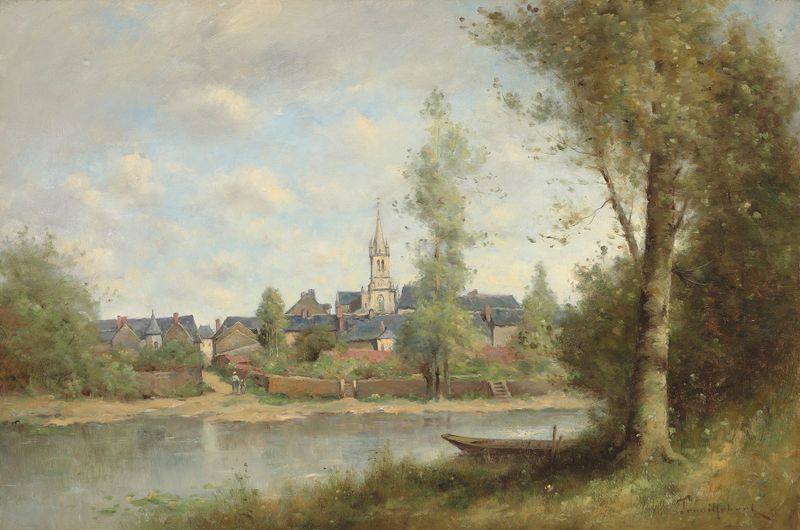
Vue De La Flèche
Paul Désiré Trouillebert

Heimweg am Fluss
Paul Désiré Trouillebert
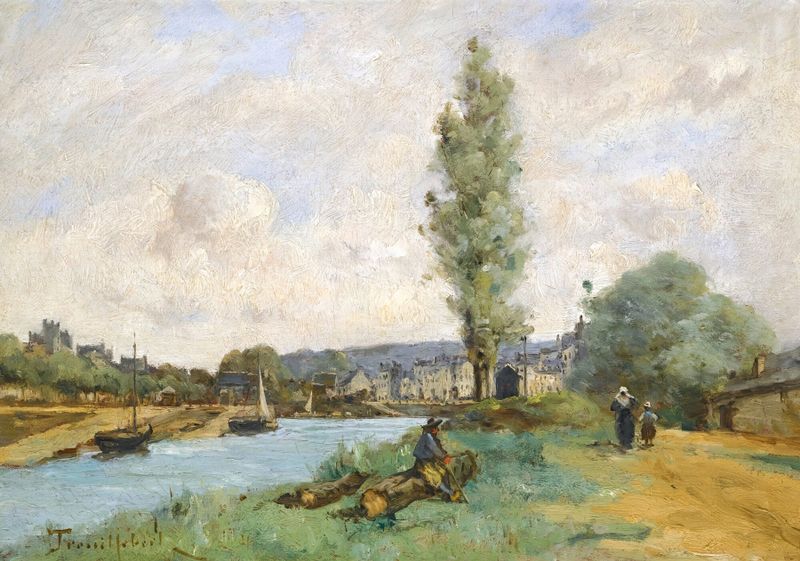
Le Pont De Landernau, Finistere
Paul Désiré Trouillebert
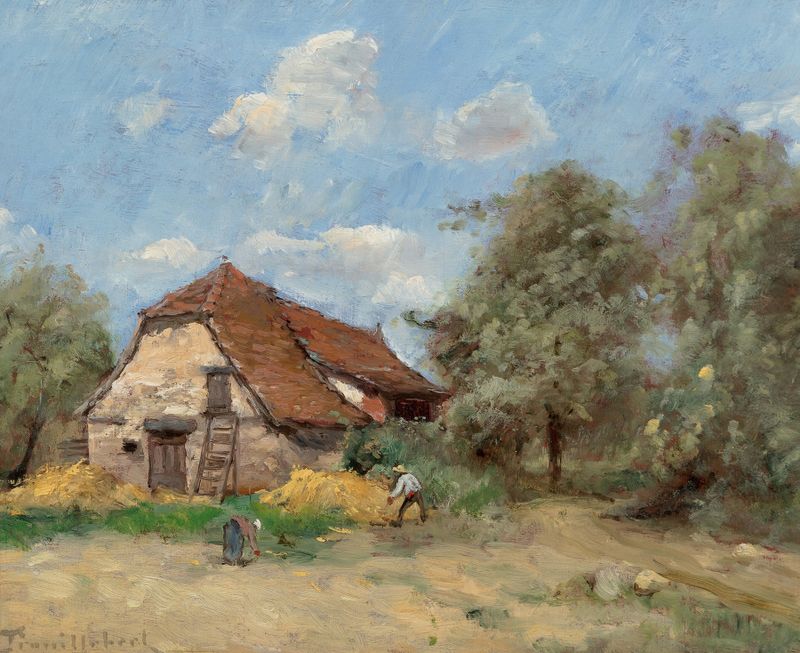
Le faucheur près de la ferme
Paul Désiré Trouillebert
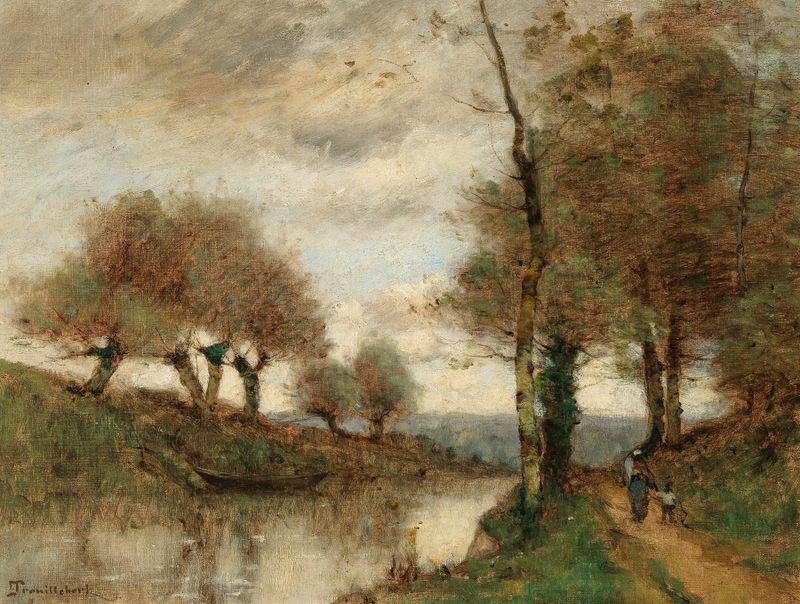
Returning Home along the River
Paul Désiré Trouillebert

Les Fagoteuses Au Bord De L’eau
Paul Désiré Trouillebert
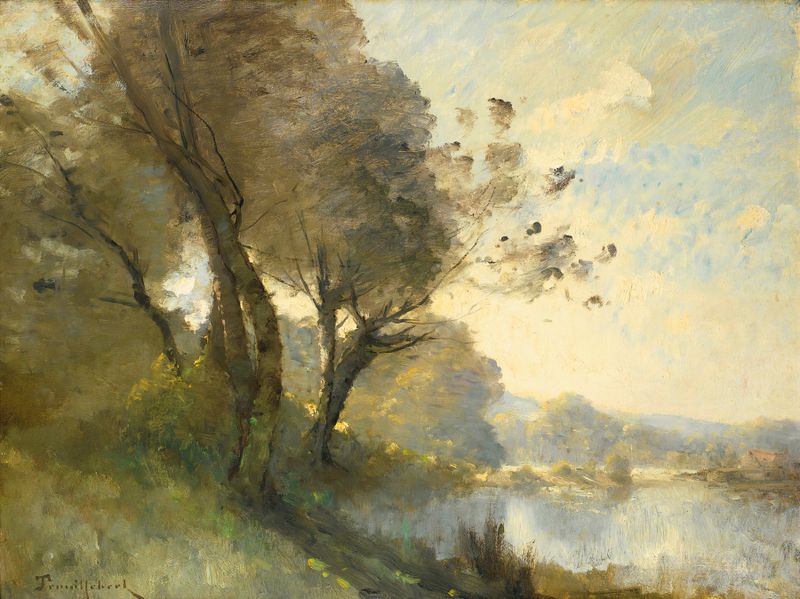
Barrage En Ruine Sur La Vienne
Paul Désiré Trouillebert
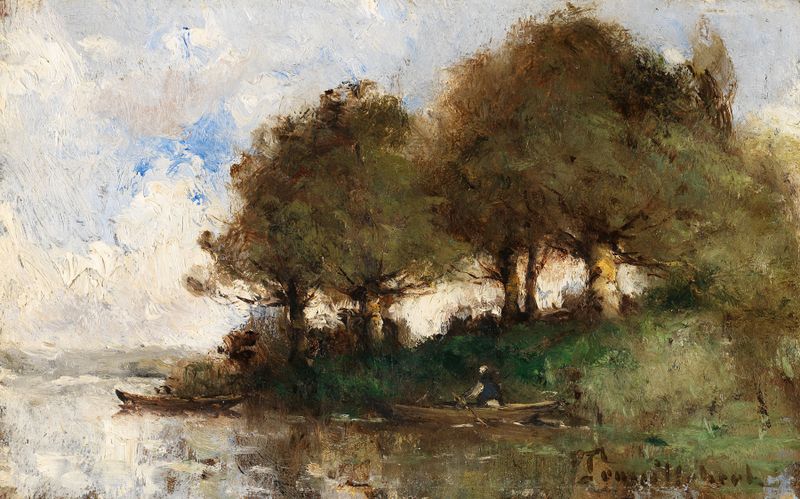
Flussufer
Paul Désiré Trouillebert
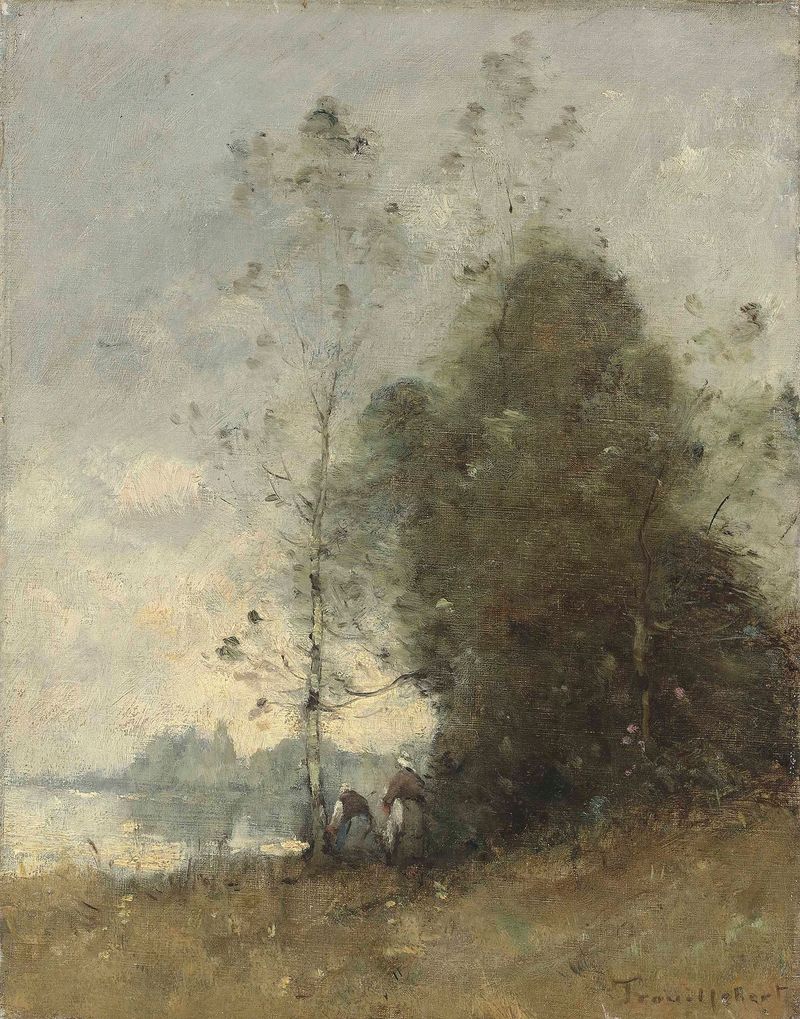
Personnages au bord de la Loire à Gennes
Paul Désiré Trouillebert





