Paysage. Haute-Savoie — History & Facts
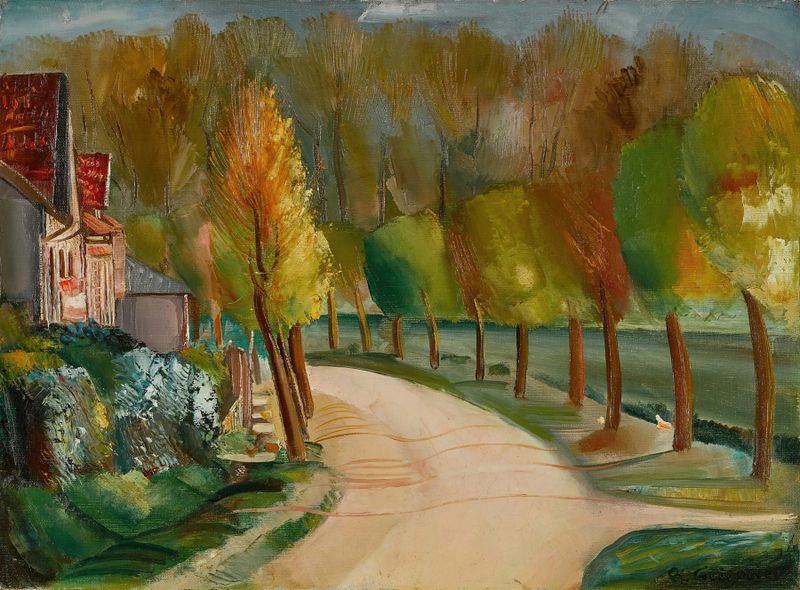
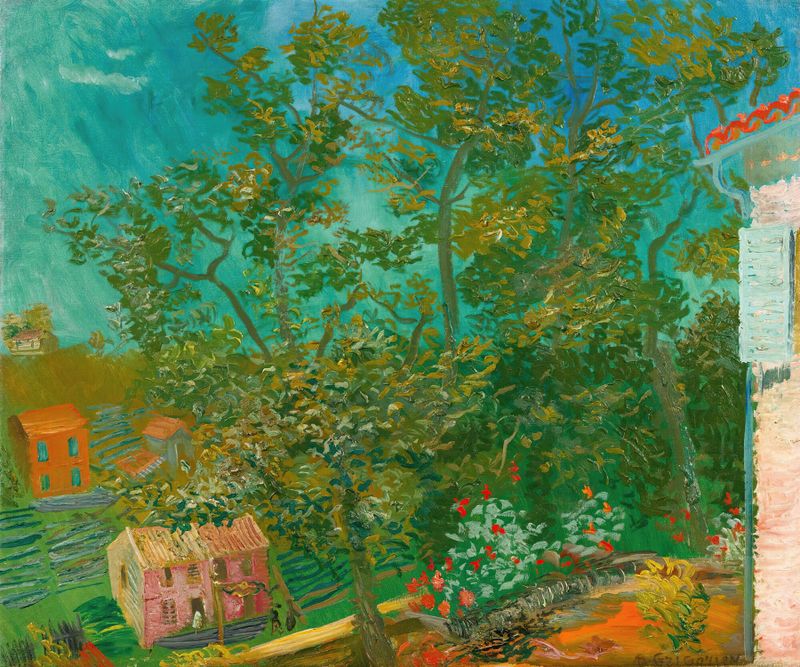
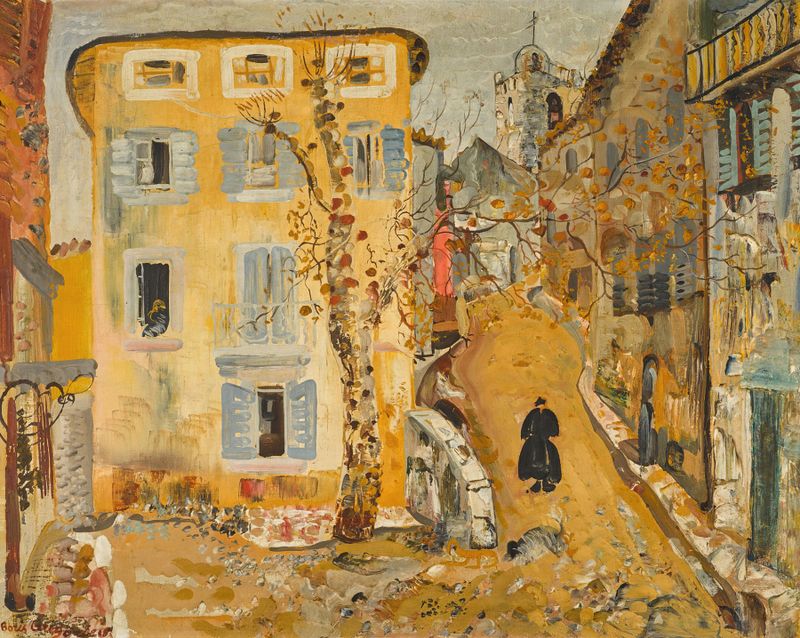
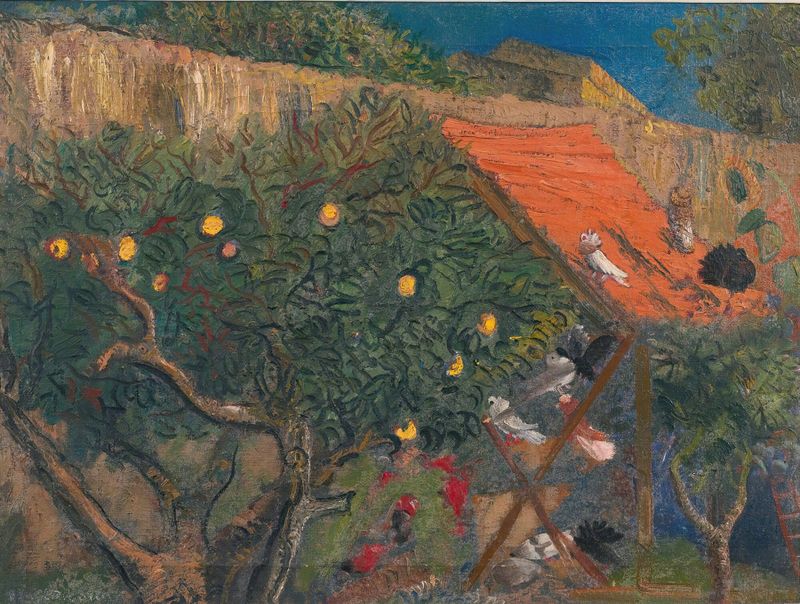
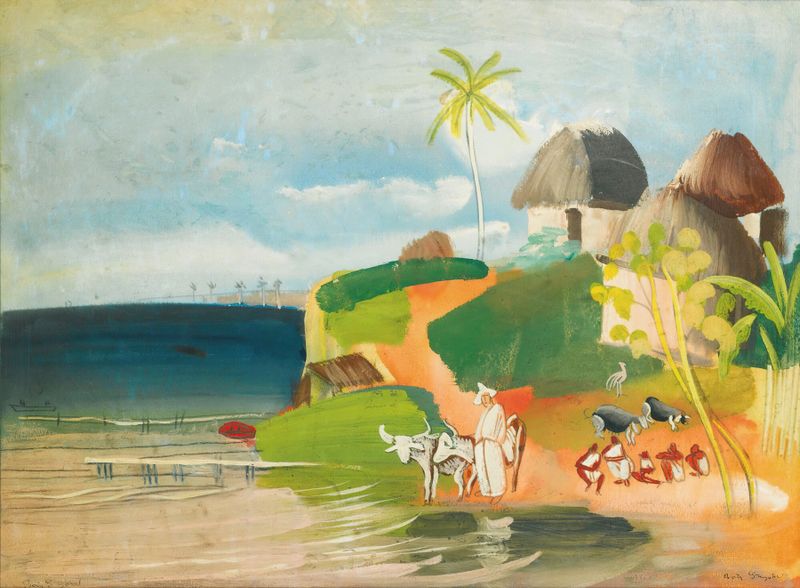
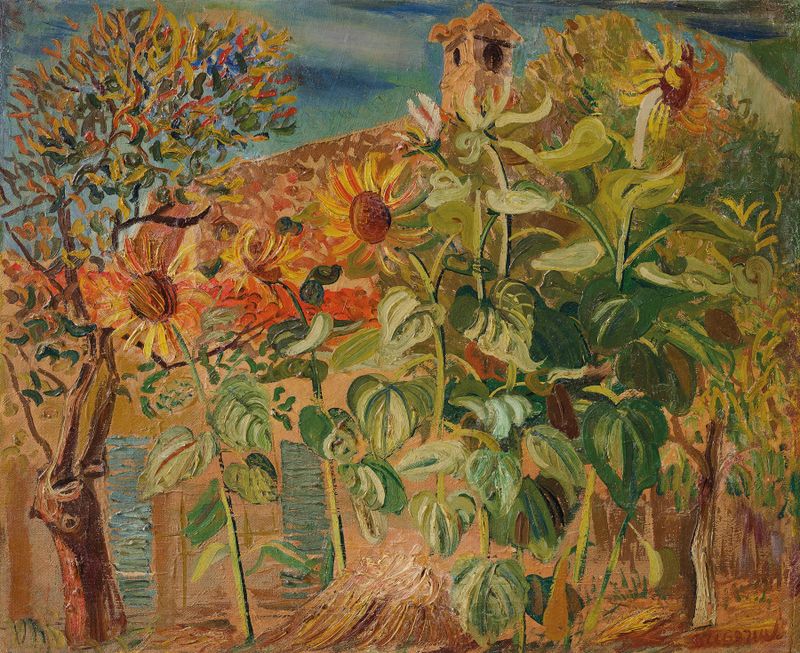
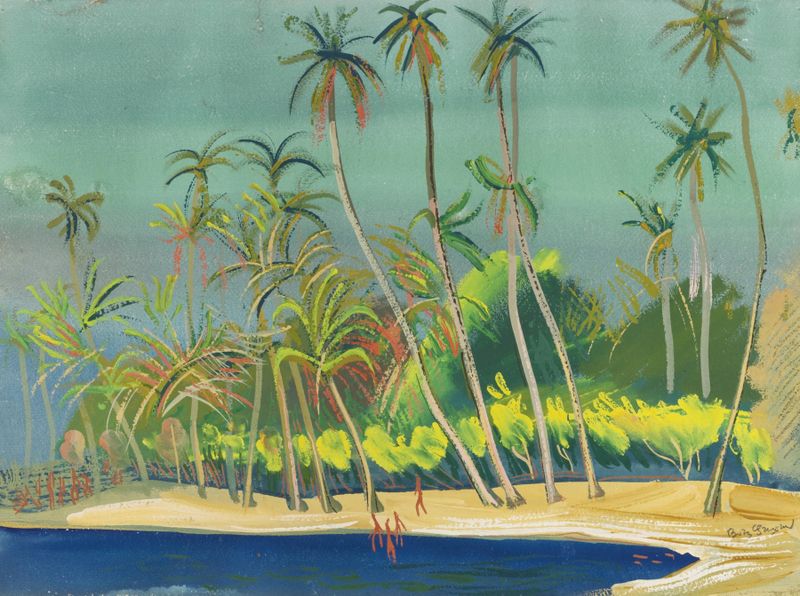
Could beauty survive in a century of chaos? In Paysage. Haute-Savoie, the answer lies in the breathtaking yet tranquil landscape that unfolds before us, an oasis untouched by the turmoil of the world. Look to the foreground, where the rugged terrain meets the delicate hues of a dusk sky. The artist’s brush elegantly captures the shifting greens and browns of the hills, bringing forth a vibrancy that pulses with life.
Notice how the light dances across the mountains, illuminating their peaks in soft pastels, creating a serene contrast against the deeper, shadowed valleys. This interplay of light and color draws the eye, inviting a meditative exploration of nature’s beauty amid a chaotic existence. As you delve deeper, subtle emotions emerge from the composition. The juxtaposition of the stillness of the landscape against the shadows looms heavy with a sense of solitude.
Each brushstroke conveys a yearning—a longing for peace in an age rife with uncertainty. The distant mountains, majestic yet imposing, symbolize both the challenges and solace found in the natural world. Here, beauty captures a moment, inviting reflection on how the human spirit seeks refuge from turmoil. In 1927, Boris Grigoriev painted this piece during a period of profound change in Europe.
The aftermath of World War I had left a cultural void, and artists grappled with their identities amidst shifting landscapes. Grigoriev, influenced by both Russian and European art movements, sought to convey a sense of transcendence through his landscapes, affirming the resilient spirit of humanity against the backdrop of chaos.