
Pêcheur Au Bord De La Rivière — History & Facts
In Pêcheur Au Bord De La Rivière, the viewer is drawn into a quiet moment where serene nature intersects with the weight of sorrow. The image speaks of stillness, yet hints at an unvoiced ache beneath the rich colors and gentle brush strokes. Look to the left, where the fisherman stands with his back turned, poised at the river’s edge. Notice how the light dances on the water's surface, refracting hues of blue and gold that create a shimmering path toward the horizon.
The artist employs a delicate balance of vibrant greens and browns in the landscape, drawing your eye to the lush foliage embracing the bank. Each stroke evokes a sense of calm, yet the solitary figure invites contemplation, suggesting an emotional narrative that lies beyond the picturesque scene. As your gaze wanders, explore the contrasts within the composition: the vibrant life of the river and its surroundings juxtaposed with the lone fisherman, who appears almost lost in thought. This tension sparks an emotional resonance, revealing an inner conflict between the beauty of nature and the solitude of human experience.
The seemingly tranquil scene becomes a poignant reflection on grief, hinting at the fisherman’s possible longing or nostalgia—a connection to a past that feels both elusive and haunting. In 1904-05, during a period of artistic exploration and personal challenges, Henry Moret found himself captivated by the coastal landscapes of Brittany, France. The natural world around him was ripe for inspiration, yet he was also grappling with the shifts in the art world as Impressionism gave way to new expressions. This painting, a testament to his ability to blend emotion with landscape, captures a fleeting moment steeped in both beauty and melancholy.
More Artworks by Henry Moret
Browse all →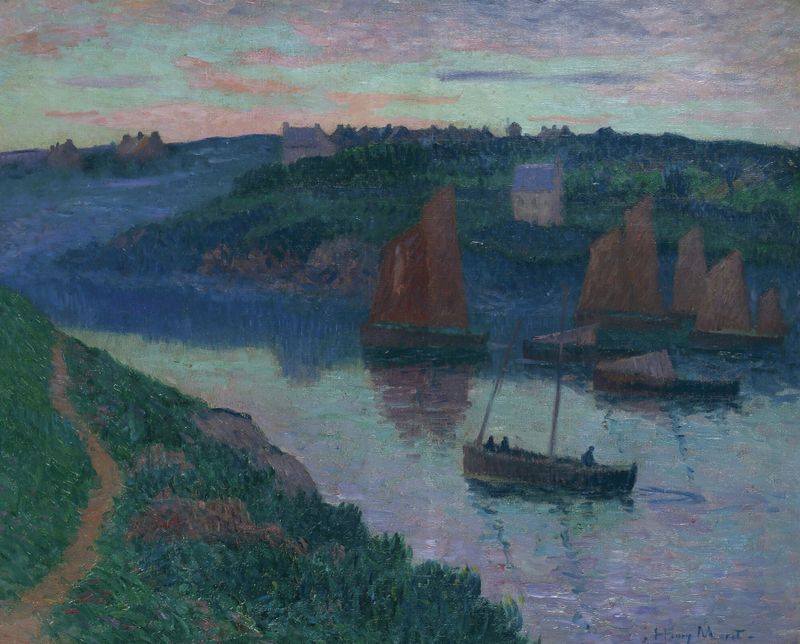
Bateaux De Pêche En Bretagne
Henry Moret
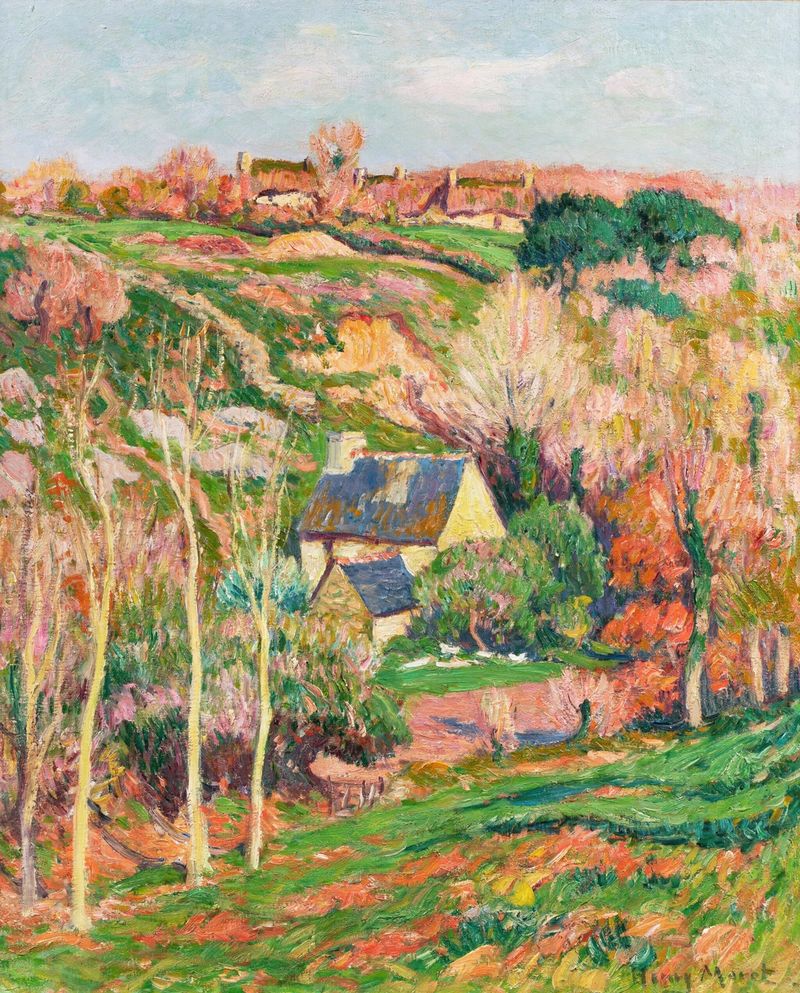
Fermes en Bretagne
Henry Moret
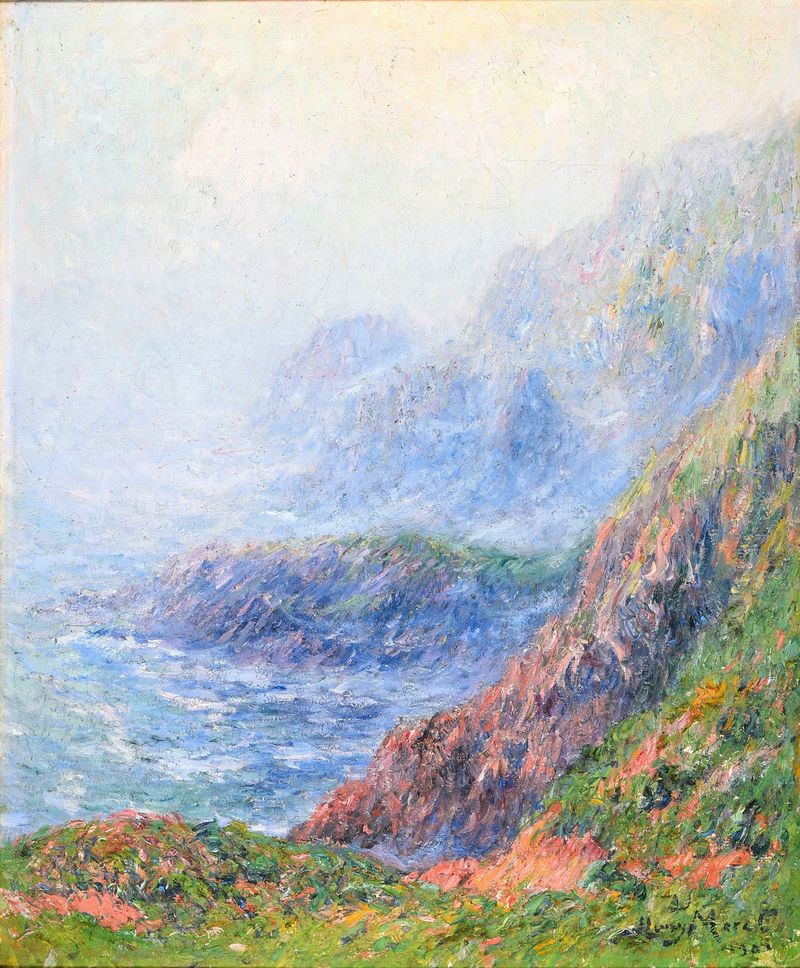
Matinée brumeuse à Ouessant
Henry Moret
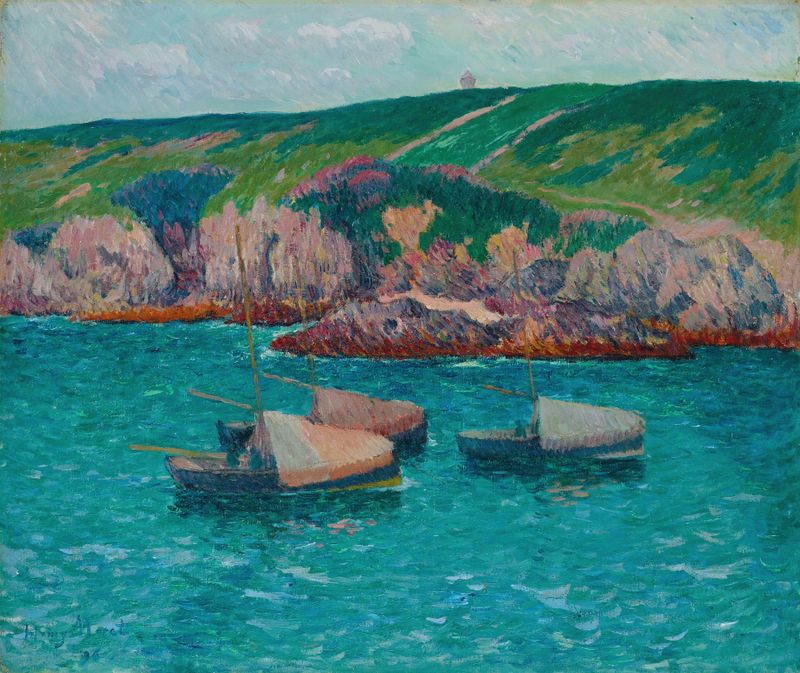
Les Barques à Doëlan
Henry Moret
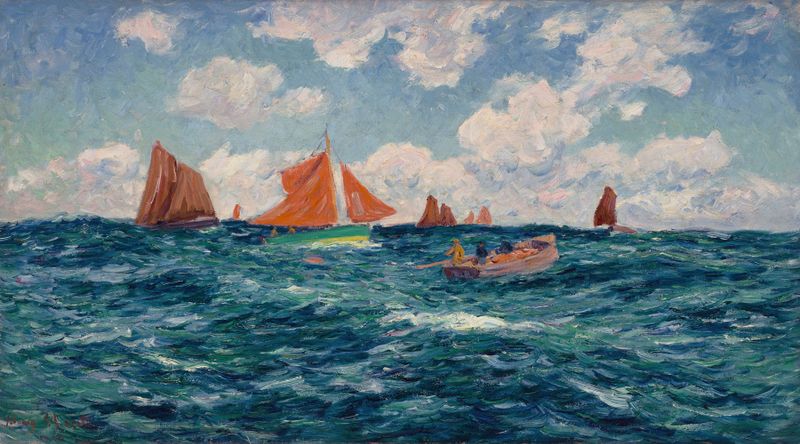
Pêcheurs au large
Henry Moret
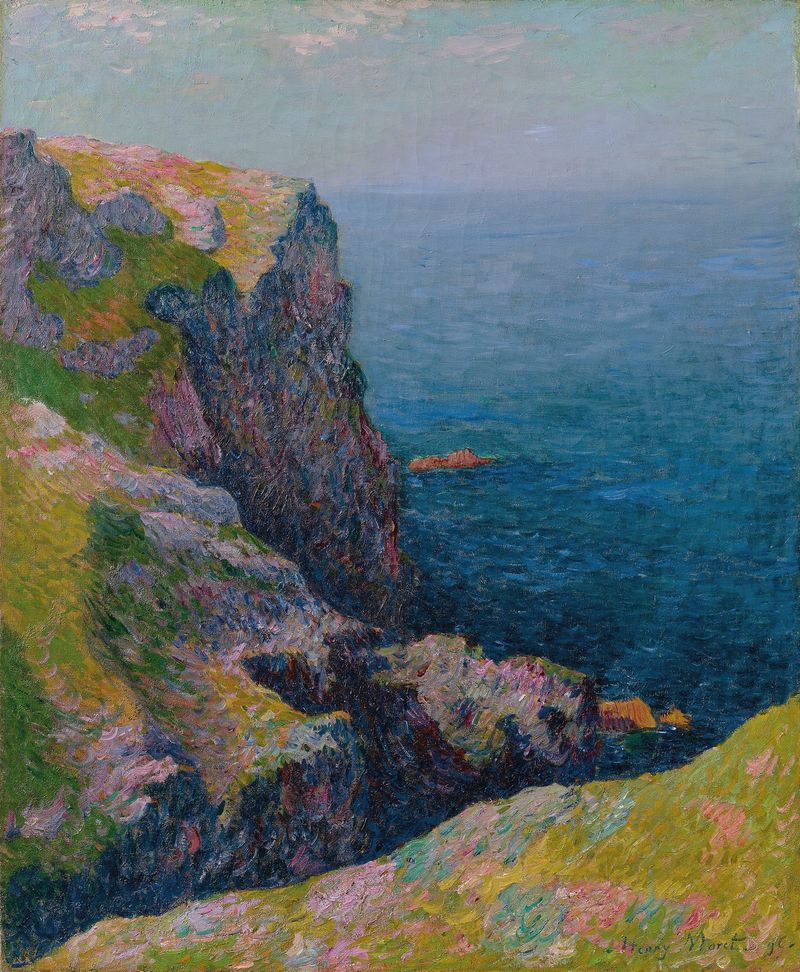
Ile de Groix, Pointe de l’Enfer
Henry Moret
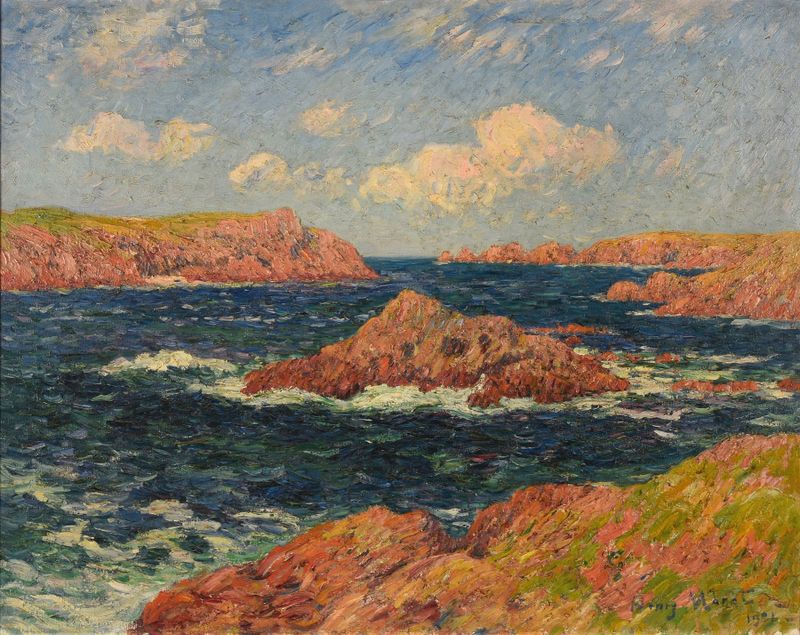
L’Ile de Kerellec (Ouessant)
Henry Moret
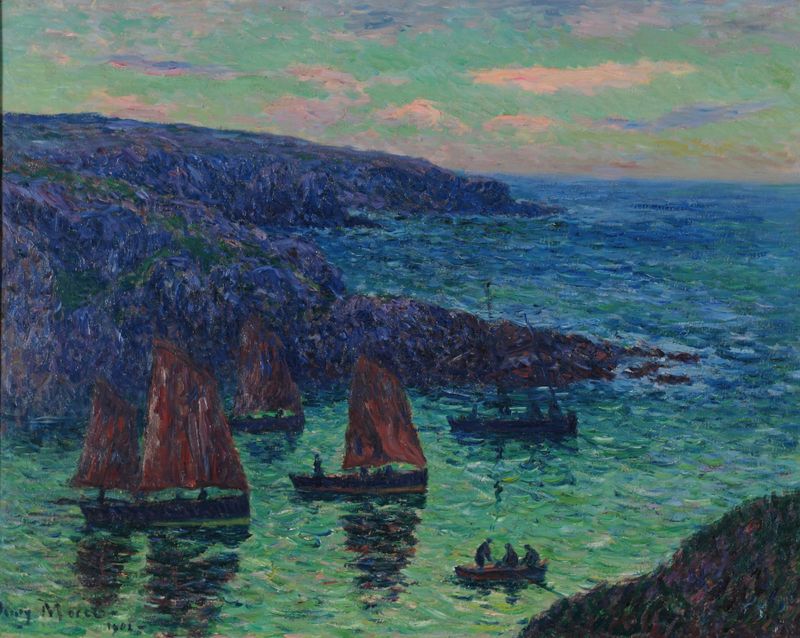
Le soir à Douëlan
Henry Moret
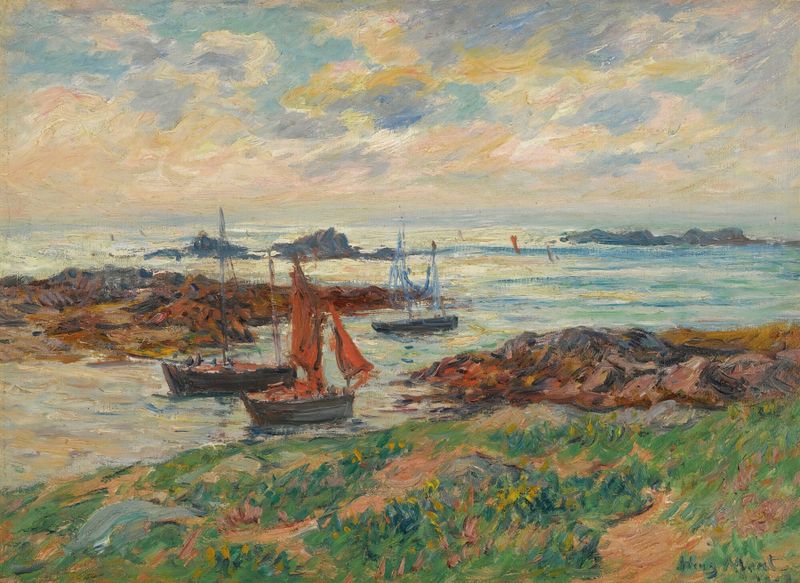
Les Glénans, Finistère
Henry Moret
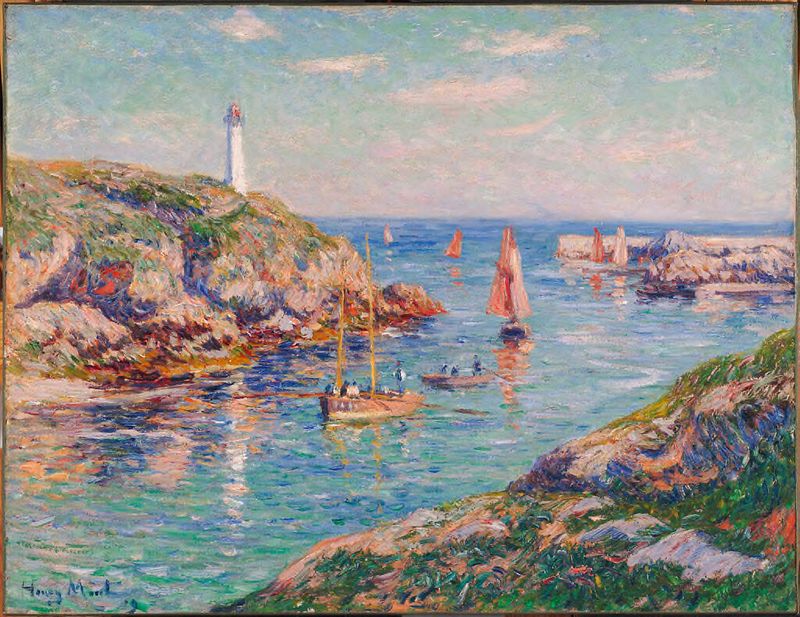
The Port of Douvelan
Henry Moret





