
Pear-shaped vase with a moulded dragon — History & Facts
What if beauty was never meant to be finished? The elegance of form and the passage of time blend seamlessly in a pear-shaped vase, inviting the viewer to contemplate fragility and decay. Look closely at the intricate dragon that wraps around the vase, its body a sinuous line that draws your eye. Notice how the deep jade hue contrasts with the delicate white porcelain, evoking a balance between strength and delicacy. The curves of the vase create a soft silhouette, while the glimmer of the glaze reflects light, providing a momentary gleam — a reminder that beauty can be both captivating and ephemeral. In this artwork, decay is not simply a loss but an integral part of its narrative.
The dragon, a symbol of power, intertwines with the vessel, suggesting a tension between permanence and transience. Small imperfections in the surface tell stories of the passage of time, fostering a dialogue between craftsmanship and nature's inevitable wear. The vase, though beautiful, bears the marks of history, prompting reflections on how beauty often resides in imperfection. Created between 1700 and 1799, this piece reflects a time of exquisite craftsmanship in porcelain, particularly within East Asian artistry that gained influence in Europe.
The unknown artist was likely part of a transitional moment when decorative arts began to embrace both tradition and innovation. Amidst this backdrop, the work stands as a testament to the enduring allure of the decorative arts, celebrating the cyclical nature of beauty and decay.
More Artworks by Unknown Artist
Browse all →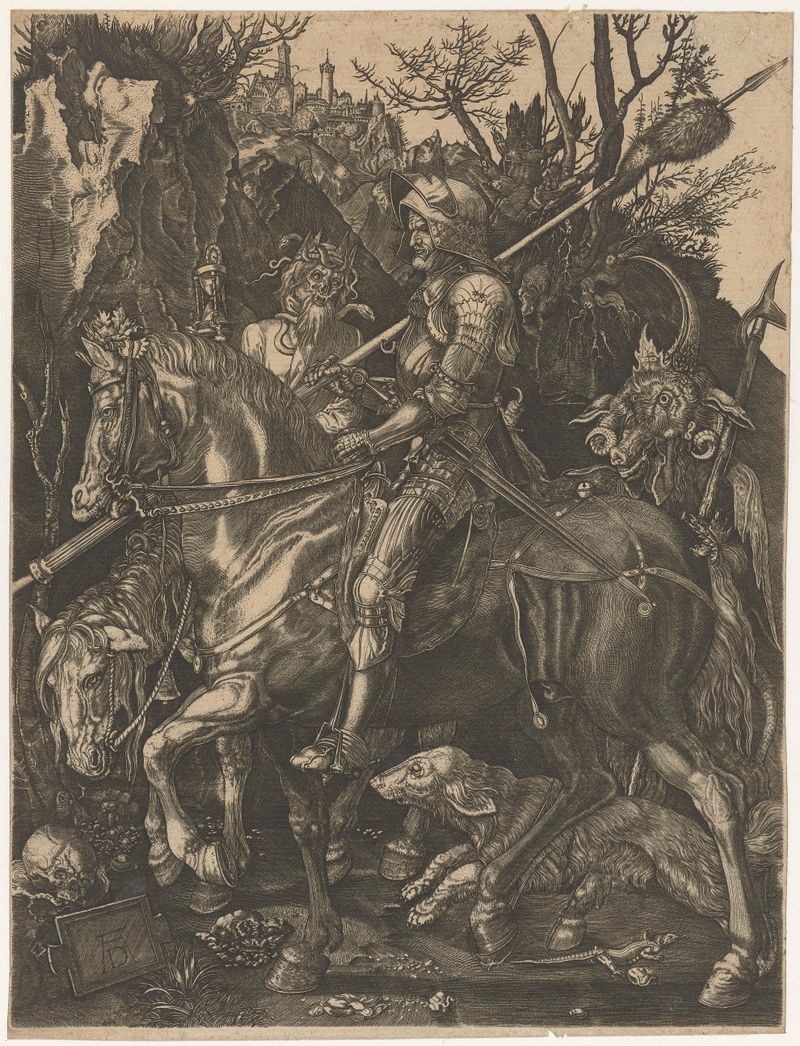
Ridder, Dood en Duivel
Unknown Artist
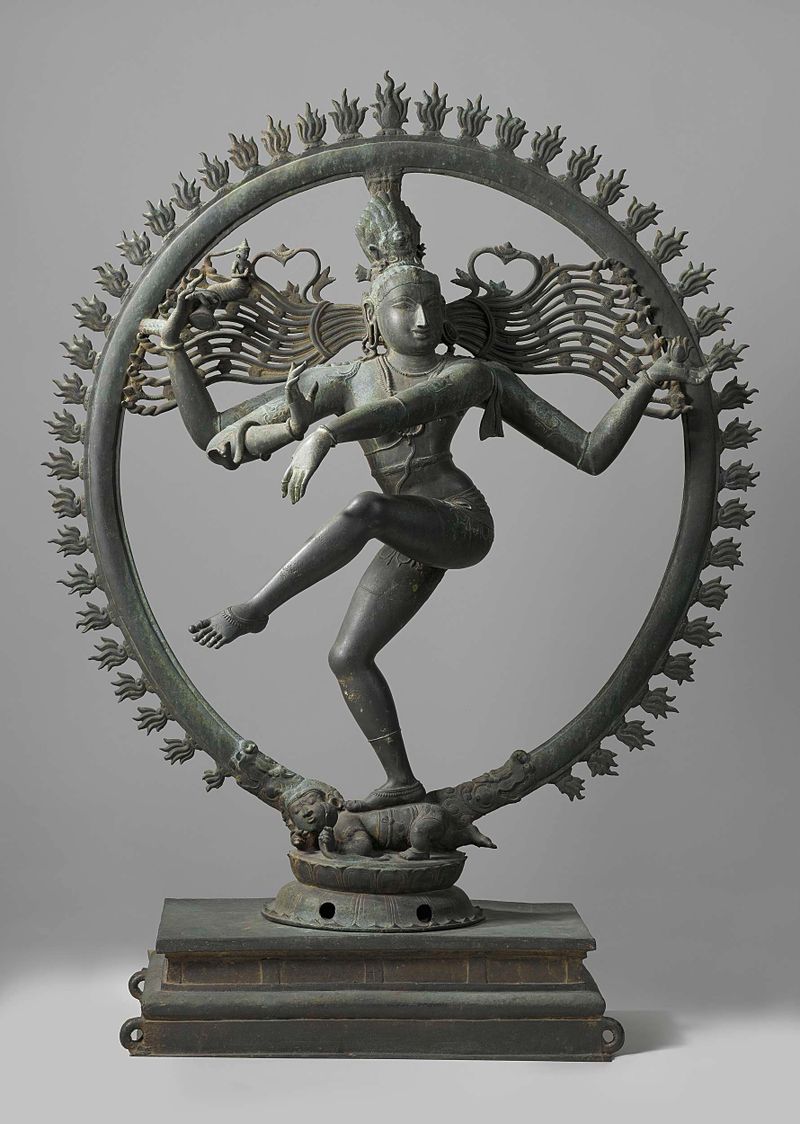
Shiva Nataraja
Unknown Artist
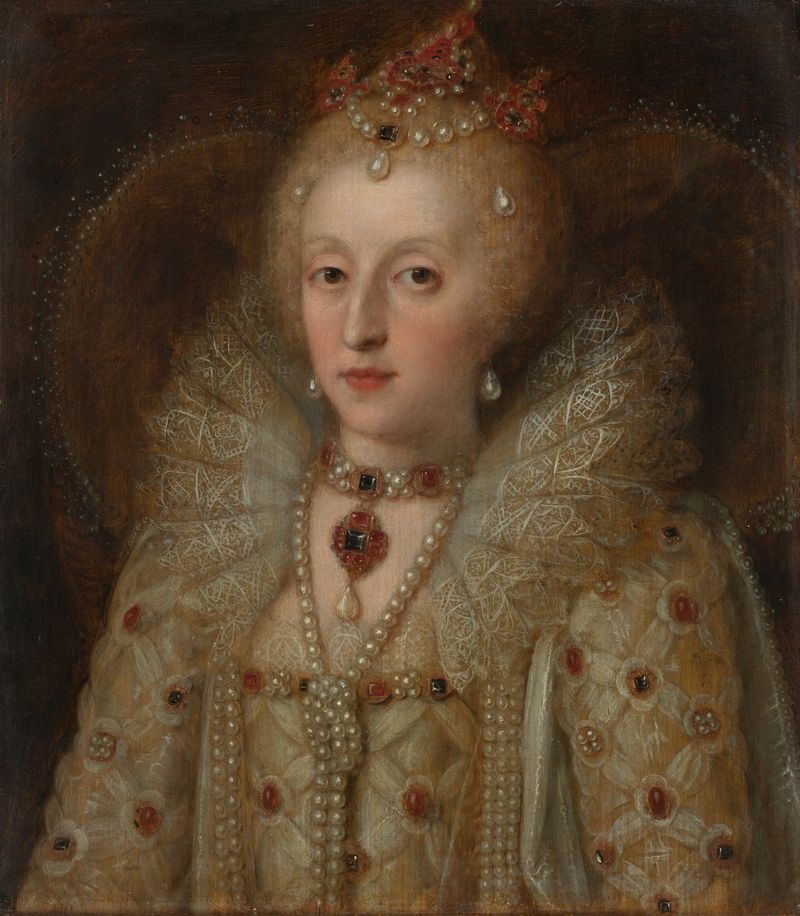
Portrait of Elizabeth I, Queen of England
Unknown Artist
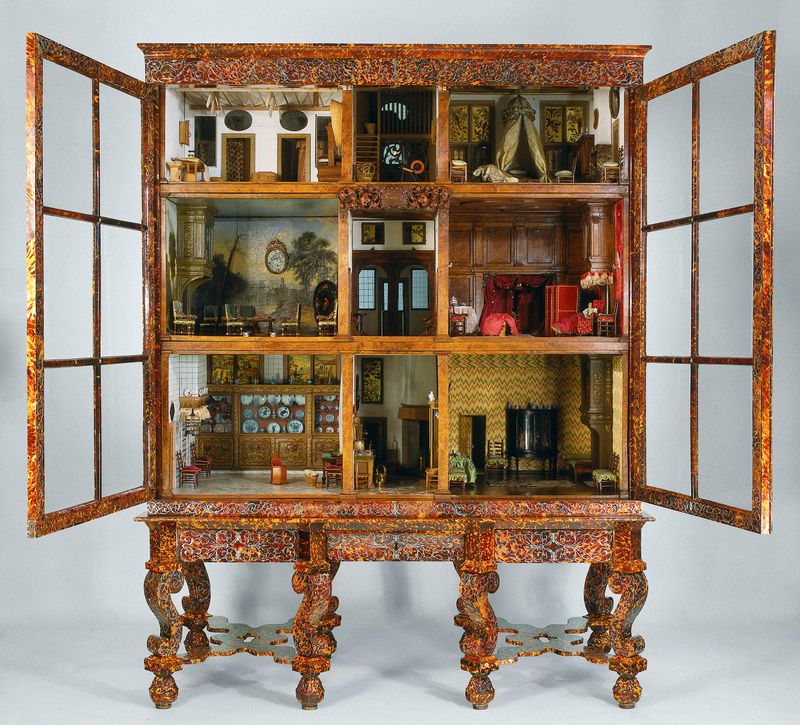
Dolls’ house of Petronella Oortman
Unknown Artist
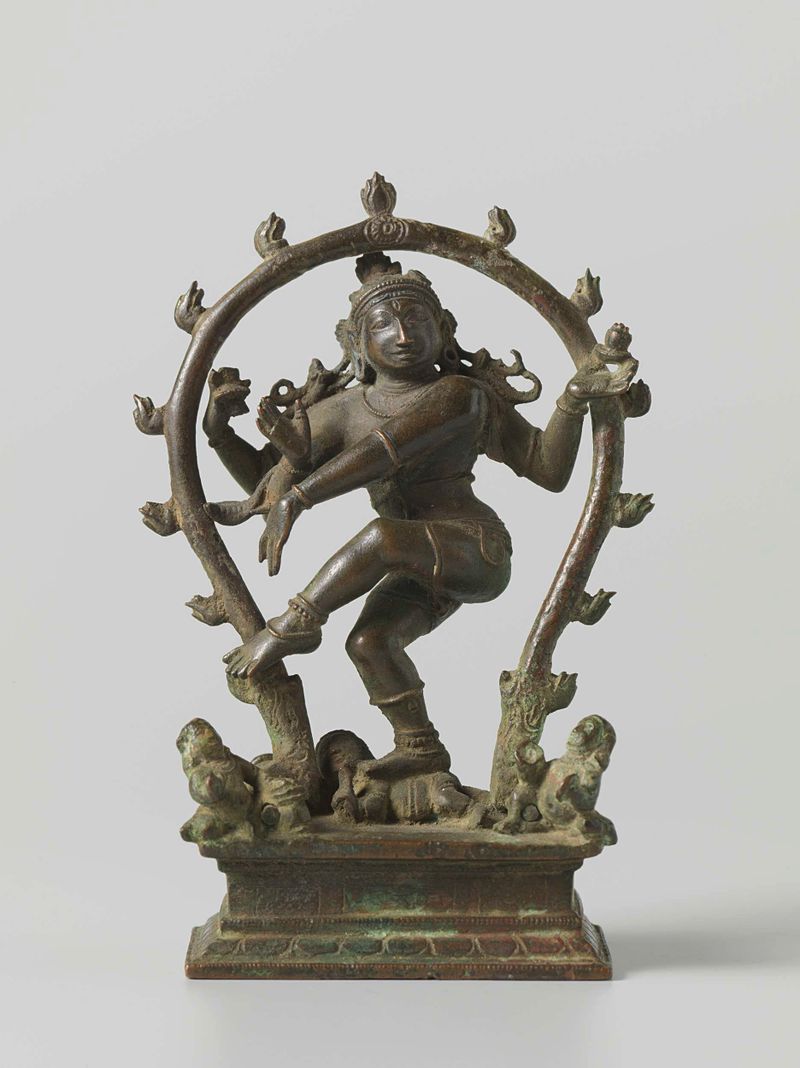
Shiva Nataraja
Unknown Artist

The Tale of Genji
Unknown Artist

The Tale of Genji
Unknown Artist

Cong
Unknown Artist
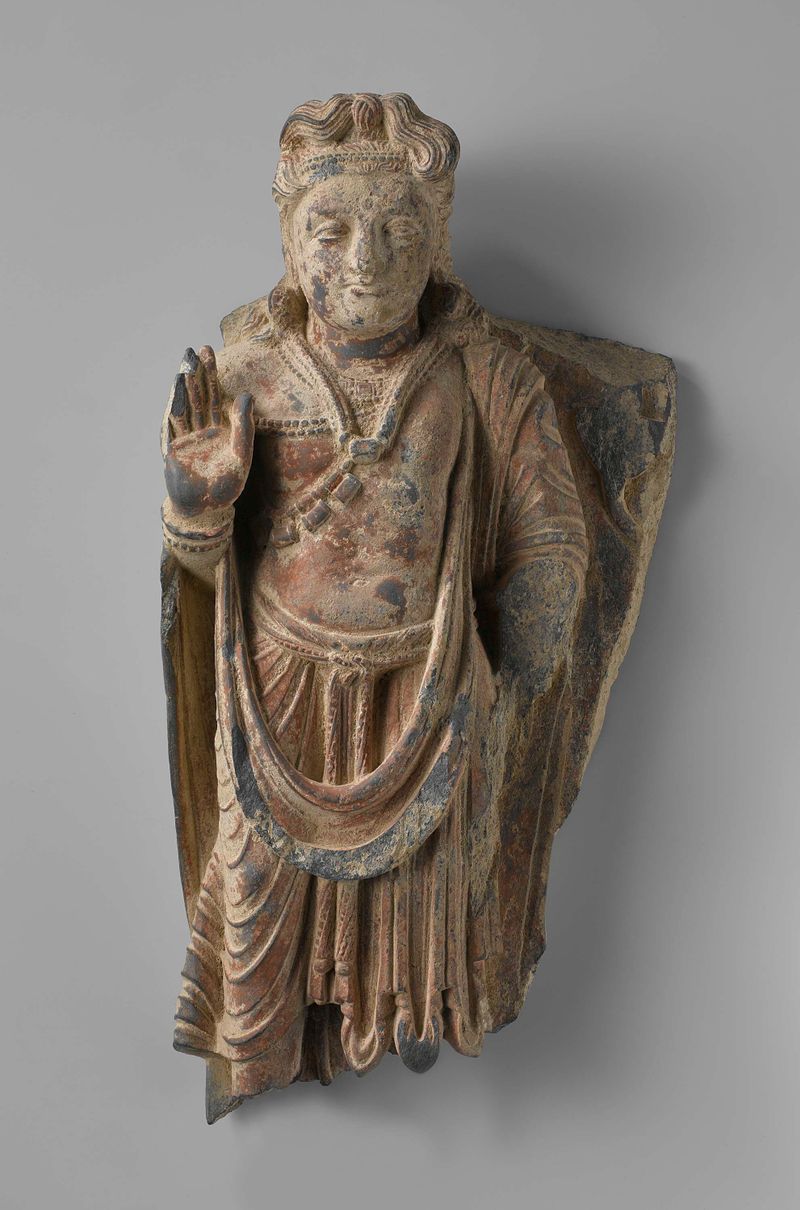
The bodhisattva Maitreya
Unknown Artist

Teabowl with a 'hare's fur' glaze
Unknown Artist



