
Piazza San Marco — History & Facts
Where does light end, and longing begin? In the delicate interplay of brightness and shadow, we find the essence of transformation captured on canvas. Focus on the shimmering glow that bathes the piazza, radiating warmth and inviting exploration. Look closely at the intricate details of the architecture, where the soft brushstrokes emulate the play of light across the iconic structures. Notice how Laeisz employs a palette of muted earth tones, punctuated by bursts of vibrant color, to evoke the bustling life that infuses this historic square. Hidden within the composition lies a tension between the vitality of the scene and a sense of nostalgia.
The figures, seemingly caught in mid-conversation, reflect a moment of connection that hints at stories untold. Meanwhile, the serene waters of the lagoon mirror not just the buildings, but the dreams and desires of those who stroll along the cobblestones, casting a bridge between the present and the past. Carl Martin Laeisz painted this work during a time when he was deeply influenced by the European cultural milieu characterized by a fascination with light and atmosphere. Little is known about the exact date of creation, but the vibrant depiction of Piazza San Marco aligns with the Romantic ideals prevalent in the late 19th century.
It was a period when artists sought to evoke emotions and engage viewers with the transforming power of nature and urban landscapes.
More Artworks by Carl Martin Laeisz
Browse all →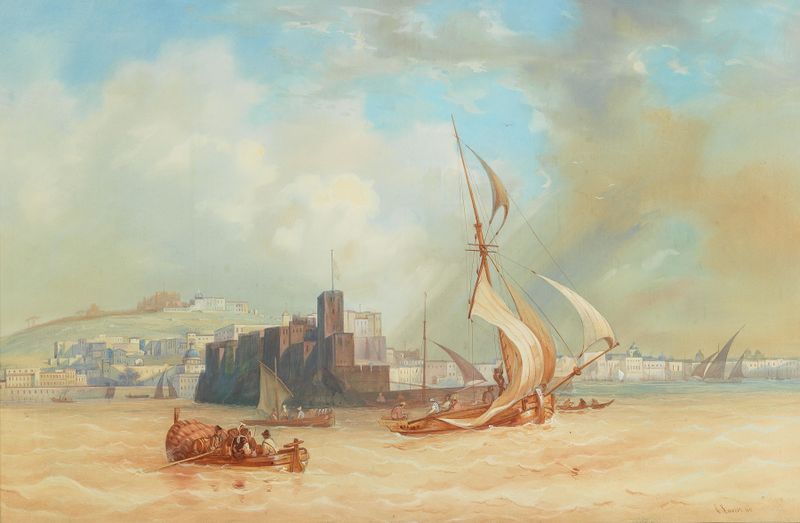
More Architecture Art
Browse all →
The statue of Liberty
Frédéric Auguste Bartholdi

View of Houses in Delft, Known as ‘The Little Street’
Johannes Vermeer

View of Houses in Delft, Known as ‘The Little Street’
Johannes Vermeer

The Cathedral in Rouen. The portal, Grey Weather
Claude Monet

The yellow house
Vincent van Gogh

The Church in Auvers-sur-Oise, View from the Chevet
Vincent van Gogh