Pies sous bois (Magpies under the trees) — History & Facts
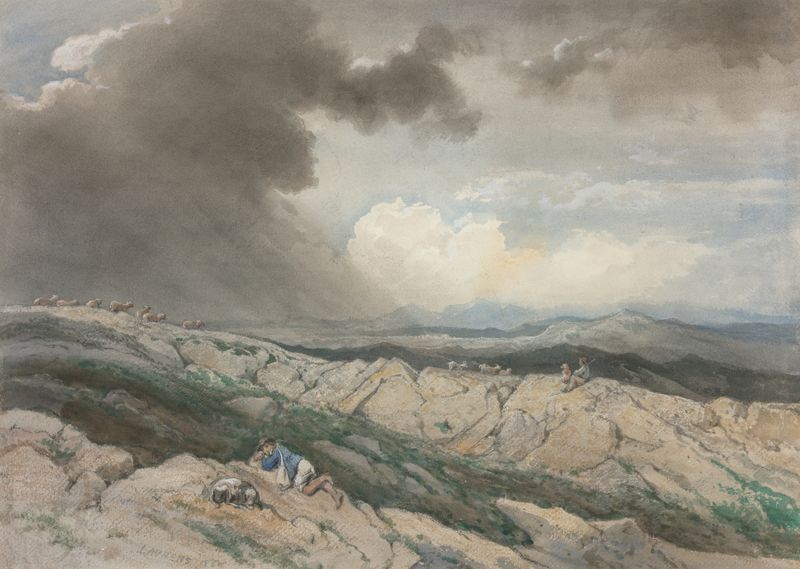
Is this a mirror — or a memory? The stillness of Pies sous bois beckons us to pause, to reflect not only upon the scene but also upon the passage of time itself. Look to the left at the delicate interplay of light filtering through the trees, casting intricate patterns upon the forest floor. The artist’s brushwork creates a tapestry of rich greens and warm browns, inviting the viewer to wander deeper into this enchanted woodland. Notice how the magpies, perched gracefully among the foliage, seem to both belong to their environment and stand apart, their glossy feathers capturing glimmers of light that draw the eye. Hidden within this tranquil moment are whispers of contrast: the vibrant life of the birds against the muted backdrop of the forest, the fleeting nature of time illustrated by the stillness of their surroundings.
Each brushstroke conveys a sense of both calm and anticipation, as if the viewer is an unseen witness to a secret unfolding. The magpies, symbols of intelligence and adaptability, serve as guardians of this timeless narrative, holding the essence of the forest in their watchful presence. In 1864, while residing in France, Laurens painted Pies sous bois at a time when art was experiencing a shift towards realism and a focus on nature. This period saw the rise of artists who sought to capture the beauty of everyday scenes with sincerity and detail.
Amidst this artistic revolution, Laurens found solace in the depths of the forest, channeling his experiences into a work that celebrates both the fleeting and the eternal.