
Pieterskerk te Utrecht — History & Facts
Can paint confess what words never could? In Pieterskerk te Utrecht, the illusion of space and light draws the viewer into a moment where the grand architecture of the church seems to breathe, whispering secrets of faith and history. Look to the foreground where the intricate details of the church's façade command your attention. Notice how the light delicately caresses the stone, highlighting the textures and imperfections that tell stories of centuries past. The deep blues and soft golds create a harmonious contrast, suggesting both the weight of tradition and the warmth of spirituality.
Your eyes are then guided upwards, where the expansive arches echo the boundless skies, capturing a fleeting moment of transcendence. The artwork presents a tension between the solidity of the stone and the ethereal quality of light; it speaks of permanence versus the ephemeral nature of human existence. The juxtaposition of shadow and illumination suggests a dialogue between doubt and faith, as if the very bricks of the church are engaged in a quiet confession. Hidden figures in the distance add a layer of contemplation, inviting viewers to ponder their own place within this sacred space. Pieter van Oort Hzn painted Pieterskerk te Utrecht between 1814 and 1834, during a time of significant artistic exploration in the Netherlands.
The Romantic movement was gaining momentum, emphasizing emotion and the sublime in nature and architecture. Van Oort, inspired by the enchanting beauty of his surroundings, sought to capture the essence of the Pieterskerk, reflecting both the cultural shift and his personal journey as an artist navigating the complexities of his era.
More Artworks by Pieter van Oort Hzn
Browse all →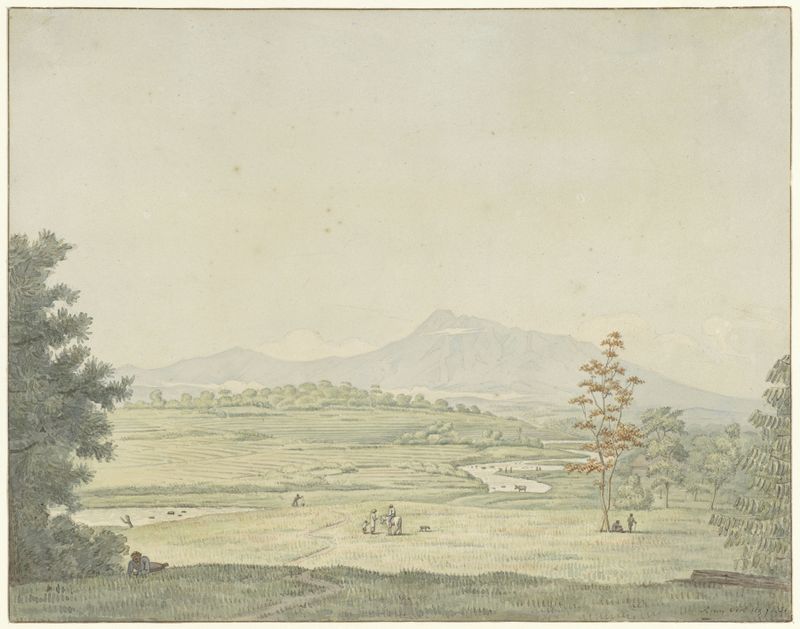
More Architecture Art
Browse all →
The statue of Liberty
Frédéric Auguste Bartholdi

View of Houses in Delft, Known as ‘The Little Street’
Johannes Vermeer

View of Houses in Delft, Known as ‘The Little Street’
Johannes Vermeer

The Cathedral in Rouen. The portal, Grey Weather
Claude Monet

The yellow house
Vincent van Gogh

The Church in Auvers-sur-Oise, View from the Chevet
Vincent van Gogh