Plate with flower sprays and figures in an interior and in a landscape — History & Facts
Could beauty survive in a century of chaos? In a time marked by upheaval and transformation, the delicate artistry of a plate transcends its function, offering a moment of awe amidst the mundane. Look closely at the vibrant flower sprays that adorn the plate, their intricate details almost springing to life. The delicate brushstrokes render each petal with remarkable realism, capturing the essence of nature’s beauty. The figures depicted linger at the periphery of a tranquil landscape, their soft hues blending seamlessly into the background, suggesting an inherent harmony between the human and the natural world. Consider the contrasts at play; the lively blossoms signify hope and resilience, while the figures may represent the fleeting nature of existence, positioned in a serene yet still moment.
The juxtaposition of interior and landscape also hints at the balance between human craftsmanship and natural splendor, suggesting that even in confinement, the beauty of the outside world can inspire and uplift the spirit. This plate was crafted between 1700 and 1724, a period when Europe was navigating the tensions of social and political change. Unknown to us today, the artist's hand moved steadily during a time of artistic experimentation, as decorative ceramics flourished alongside the burgeoning Rococo movement. This piece reflects a shared cultural desire for beauty, a remedy against the tumult of the age, captured timelessly in ceramic form.
More Artworks by Unknown Artist
Browse all →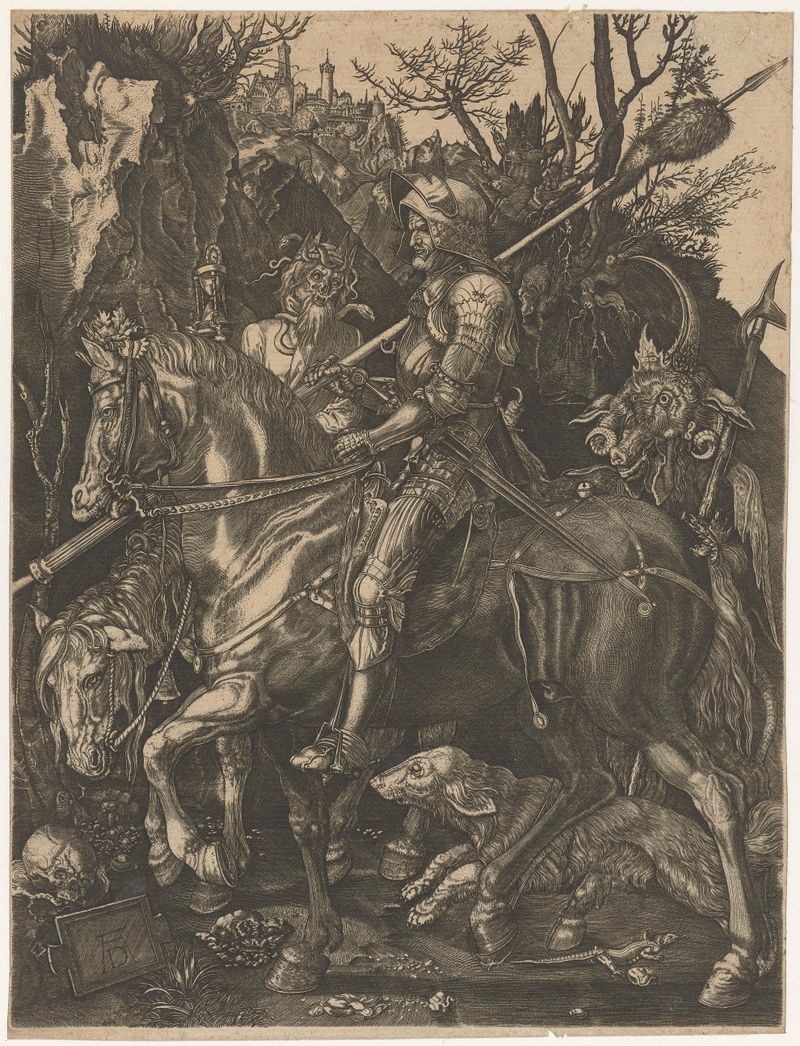
Ridder, Dood en Duivel
Unknown Artist
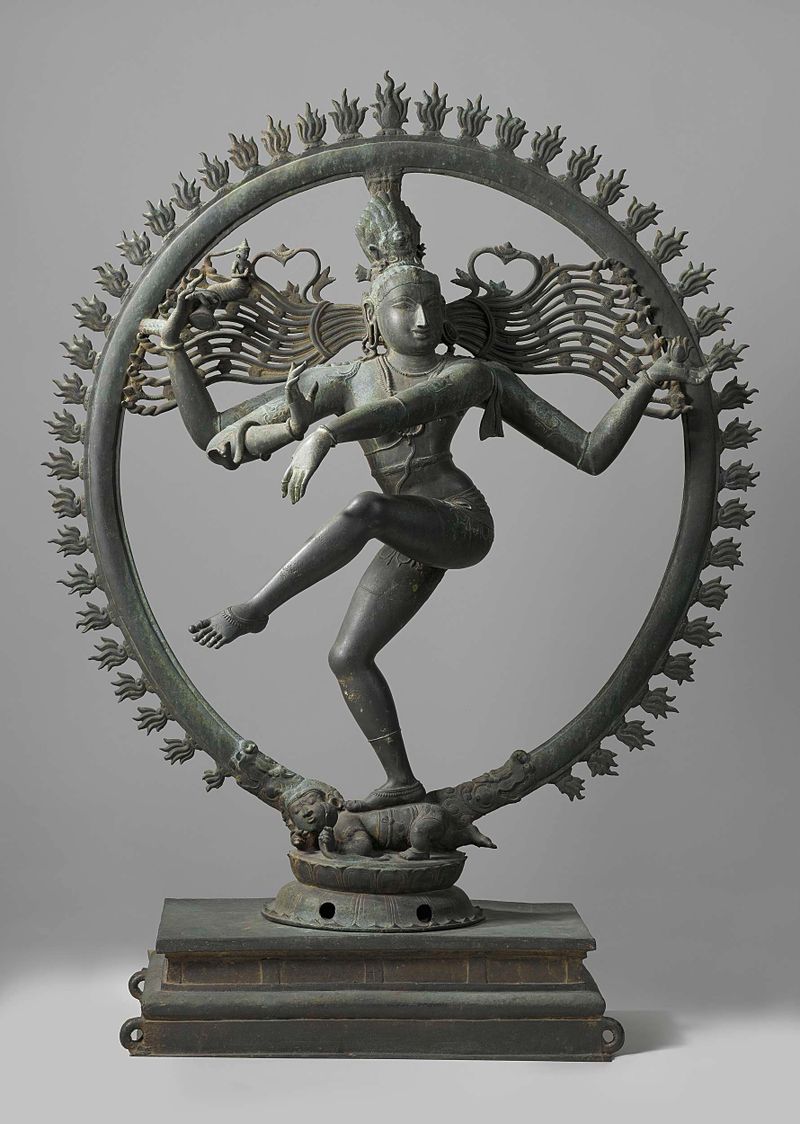
Shiva Nataraja
Unknown Artist
Portrait of Elizabeth I, Queen of England
Unknown Artist
Dolls’ house of Petronella Oortman
Unknown Artist
Shiva Nataraja
Unknown Artist

The Tale of Genji
Unknown Artist

The Tale of Genji
Unknown Artist
Cong
Unknown Artist
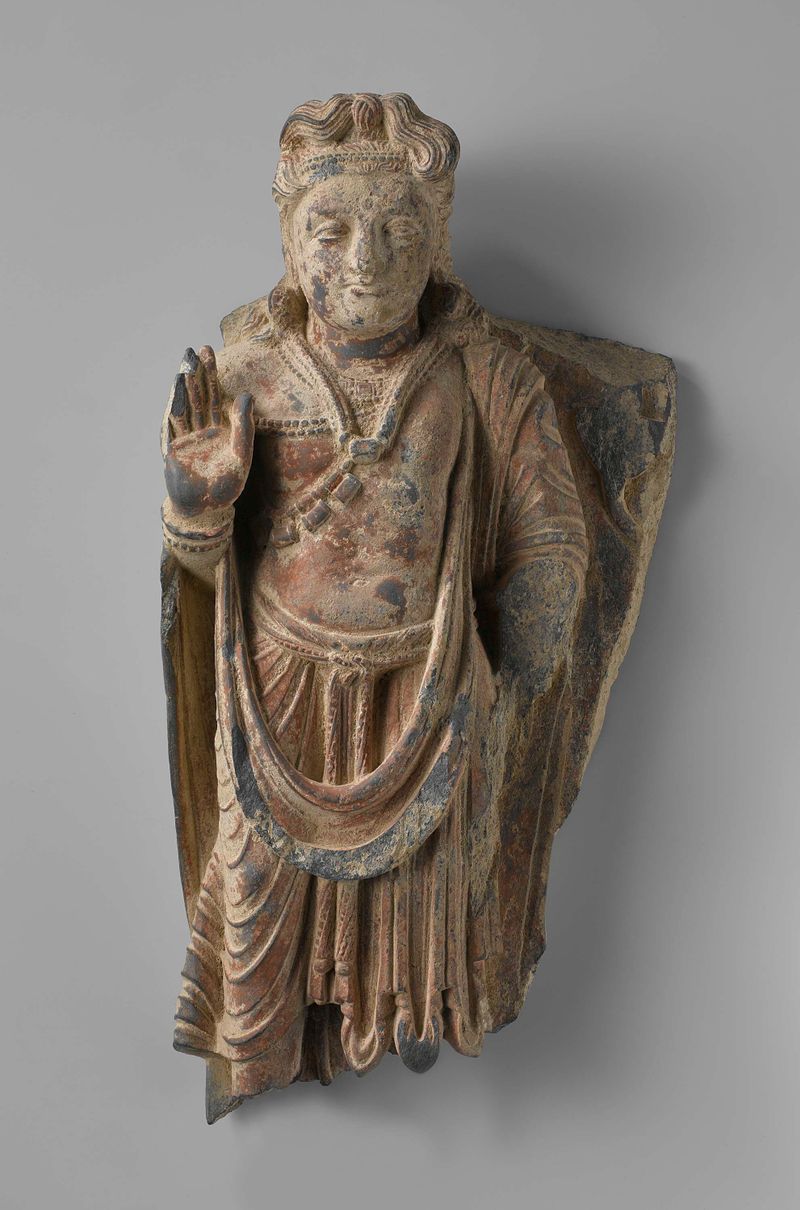
The bodhisattva Maitreya
Unknown Artist
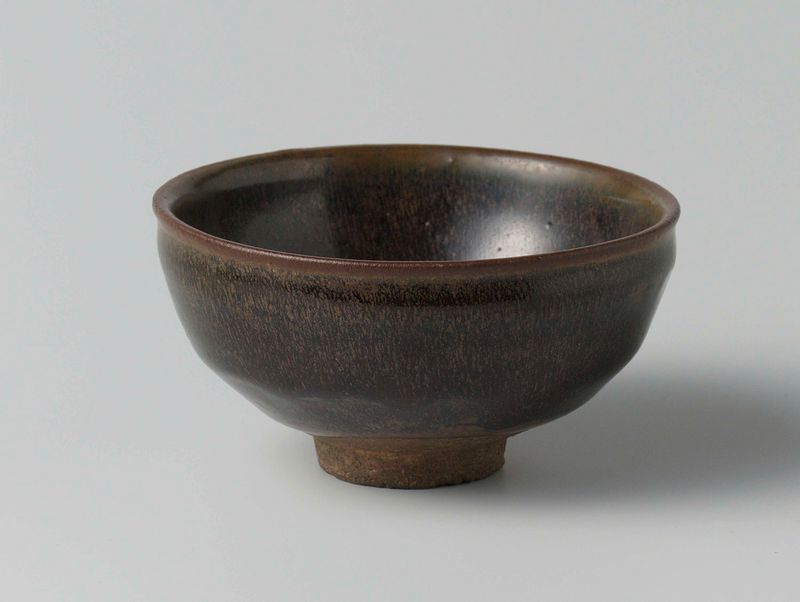
Teabowl with a 'hare's fur' glaze
Unknown Artist